IN BRIEF
At the Rencontres régionales du vélo, the region’s cycling conference, on 11 September, Valérie Pécresse announced two plans for the Vélo Île-de-France network. The first tackles the “gaps”: 22 priority breaks have been identified with the Vélo Île-de-France collective, among them crossings of waterways, railway infrastructure and major roads. The Region is putting €70 million over four years into them and is raising its contribution from 60% to 70% of projects led by local authorities. The second plan covers signage: according to the press release, the aim is to roll it out across the whole network by the end of 2027, whereas only 50 km are waymarked in Île-de-France Mobilités colours — and the Region is making payment of its subsidies conditional on it being installed.
| Announcement | Rencontres régionales du vélo, 11 September 2026 |
| “Gaps” plan | 22 priority gaps identified with the Vélo Île-de-France collective |
| Funding | €70 million over four years |
| Subsidy rate | Raised from 60% to 70% of local authority projects |
| “Signage” plan | Whole network waymarked by the end of 2027, subsidies made conditional |
| Network waymarked to date | 50 km |
| VIF network | 11 lines, 750 km by 2030 |
| Progress | 77% committed, according to Île-de-France Mobilités: 350 km open, 30 km under construction, 200 km at the study stage |
| Subsidies already voted | €110 million, to serve nearly 200 municipalities |
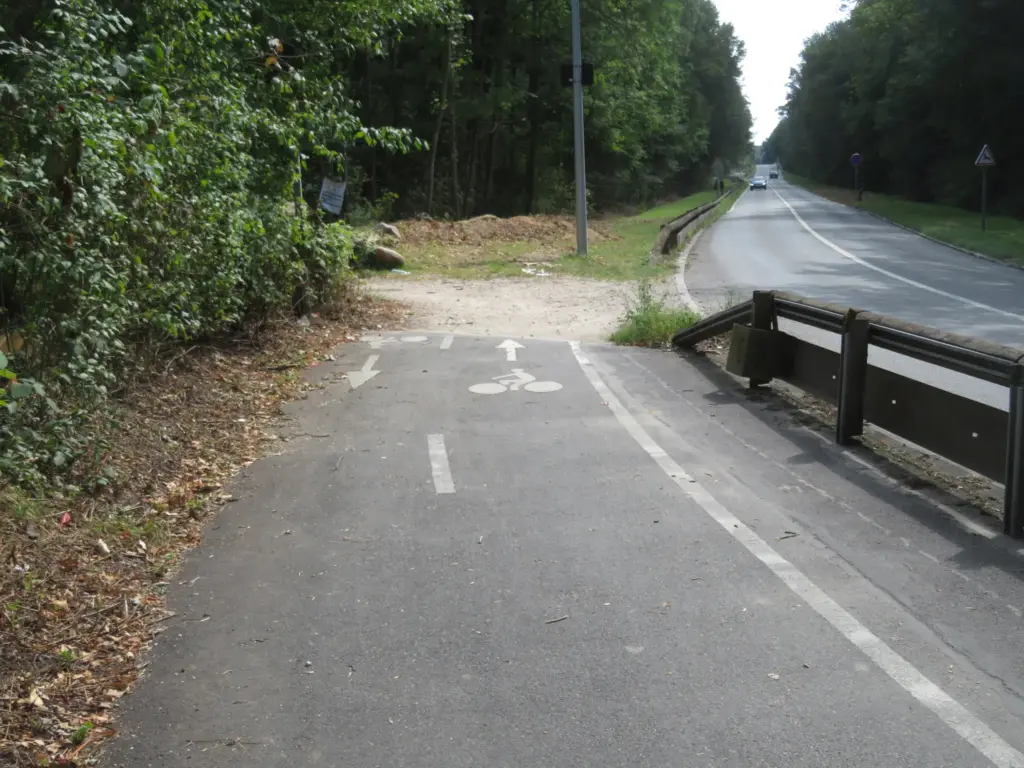
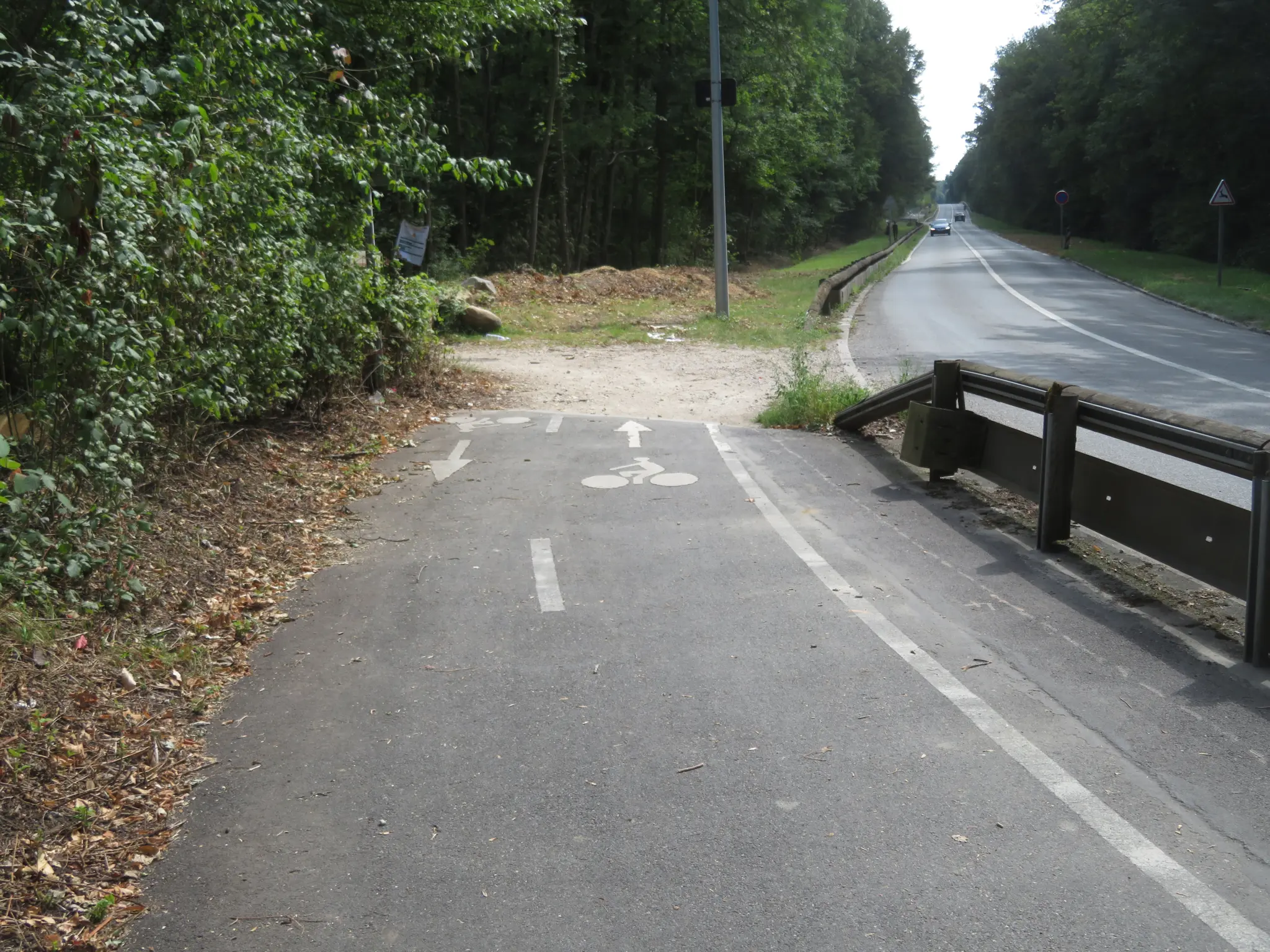
Riding ten kilometres on a flawless cycle path, then watching it stop dead in front of a bridge or a railway line: the experience is a familiar one for cyclists in the Paris region. That is precisely the hole the Region says it wants to fill on its Vélo Île-de-France network.
22 priority gaps on the Vélo Île-de-France network
On 11 September, at the Rencontres régionales du vélo held at the Region’s headquarters, Valérie Pécresse announced two measures, according to the Île-de-France Mobilités press release: a “gaps” plan and a “signage” plan. The first aims, the release says, to “fill the gaps that remain between certain routes and that prevent cyclists from having a continuous, safe journey from end to end”.
The number to remember is 22: that is how many breaks are deemed a priority, identified with the Vélo Île-de-France collective. They involve, according to the press release, “crossings of waterways, railway infrastructure and major roads in particular”. The text of the release names only two areas: the crossing of the Marne between Neuilly-sur-Marne and Noisy-le-Grand, and certain crossing points around Pontoise. The release does, however, come with a map of the gaps plan that locates and numbers all 22.
€70 million and a subsidy rate raised to 70%
To fund this plan, the press release states, the Region is “mobilising €70 million over four years and thereby increasing its financial contribution from 60% to 70% of projects carried out by local authorities”.
These €70 million come on top of an effort already under way: according to the press release, the Region has “already voted €110 million in subsidies” for the network, which is due to serve nearly 200 municipalities.
Where the VIF network actually stands
The Vélo Île-de-France network — the VIF, the new name for the RER-Vélo — is aiming for “11 major cycle lines representing 750 km of safe routes by 2030”. The press release gives its state of progress: “Its delivery is 77% committed: 350 kilometres are already open, half the VIF network, 30 kilometres are under construction and a further 200 kilometres are at the study stage.”
Since the previous Rencontres régionales, in 2024, two sections are cited as delivered: 16 km of continuous route on line V4 between the Pont de Neuilly and Saint-Mandé, and 3 km between Houilles-Carrières-sur-Seine and Sartrouville. The ambition set out in the release is to make cycling “a fourth transport network, after the metro, the trains and RER and the buses”.
Signage, the condition for subsidies being paid
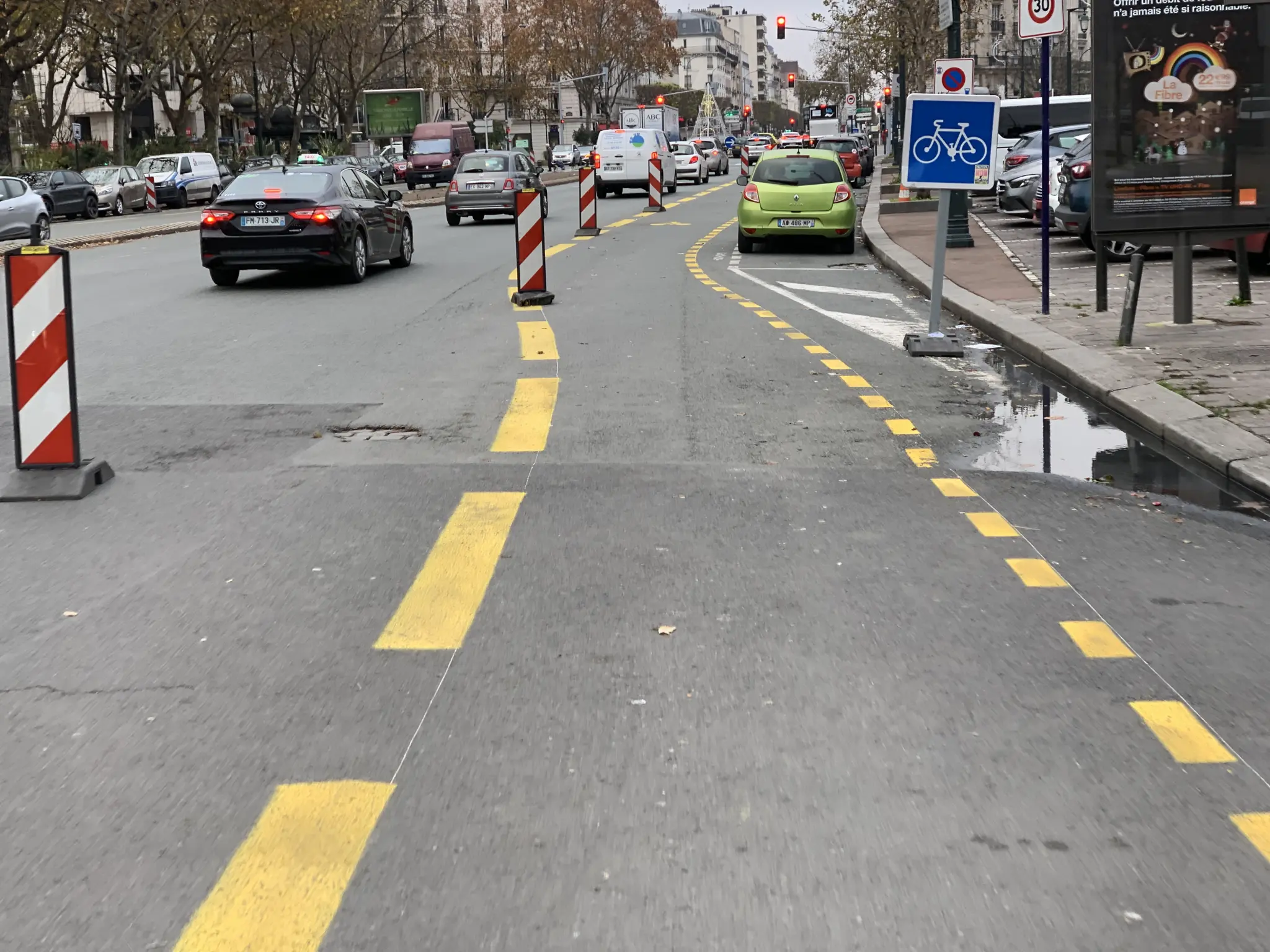
The second plan comes with a waymarking requirement. Today, the press release states, “only 50 km of the network is waymarked in the colours of the Île-de-France Mobilités networks”.
The stated objective is to “roll out the signage across the whole network by the end of 2027”. And to make sure of it, the Region is not relying on goodwill: it is “making the payment of regional subsidies conditional on this signage being put in place”.