IN BRIEF
UK Transport Secretary Heidi Alexander announced £104 million for the National Cycle Network in Manchester on 22 September 2026. According to the Walk Wheel Cycle Trust (formerly Sustrans), which manages the network, the funding comes from Active Travel England, covers four years and targets routes in England. It is to be used to repair bridges, renew signage, widen and resurface paths and create new traffic-free sections. Journalist Laura Laker puts the sum at £26 million a year, which in her view is the cost of upgrading a single road junction.
| Amount announced | £104 million |
| Duration | Four years, according to the Walk Wheel Cycle Trust |
| Scope | Network routes in England |
| Funder | Active Travel England |
| Announcement | Heidi Alexander, Transport Secretary, 22 September 2026 |
| Network | 12,000 miles, UK-wide |
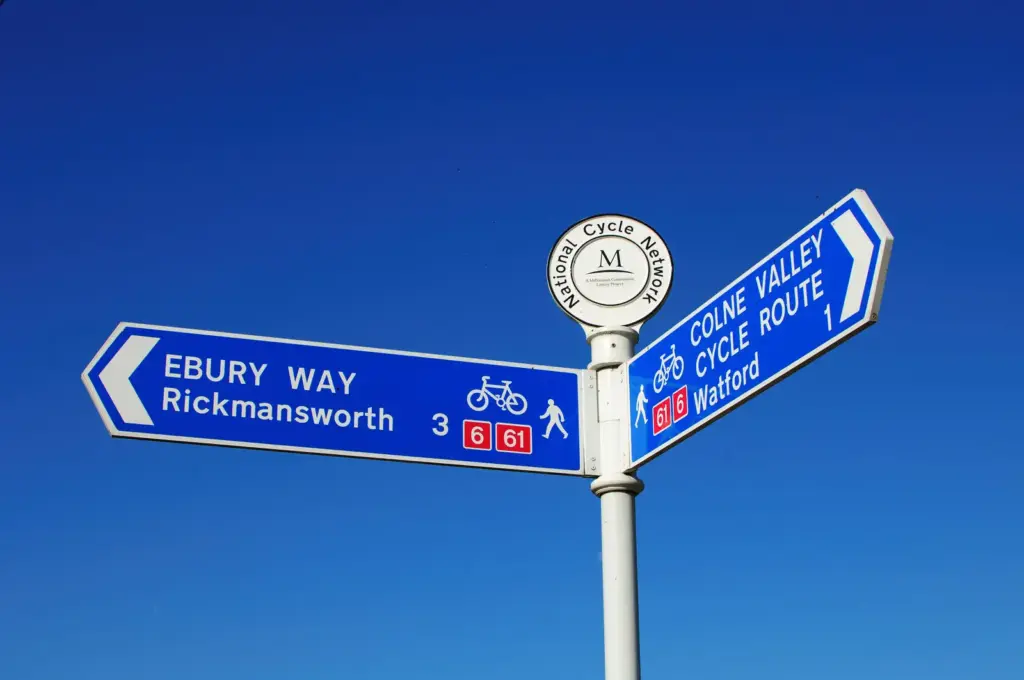
The National Cycle Network, the UK’s network of signed routes for cycling and walking, is to receive £104 million. Transport Secretary Heidi Alexander announced it on 22 September 2026 in Manchester, at the Making Active Places conference held at Aviva Studios, in a speech published by the UK government. In it she promises to go “hell for leather on active travel”, while insisting that “you definitely won’t find me leading a charge of the lycra brigade”.
What the National Cycle Network is to do with it
In her speech, Heidi Alexander sets out how the money is expected to be used: maintaining and expanding the 12,000-mile network, repairing bridges, updating signage and developing new routes around the HS2 high-speed rail line.
The Walk Wheel Cycle Trust, the charity formerly known as Sustrans that manages the network, sets out the framework in its press release: the £104 million comes from Active Travel England, the public body for active travel, and is to improve and maintain routes in England over four years. The list of works includes removing or redesigning barriers that hinder access, creating new traffic-free sections, widening and resurfacing paths, and biodiversity along the routes. Part of it is also to fund local initiatives encouraging everyday walking and cycling, such as journeys to school.
For the Trust, the main change is the duration. Until now, it says, funding for the network was generally allocated year by year, which made any long-term planning difficult. Its chief executive, Sarah Roberts, describes the network as what makes it possible for people to “walk, wheel and cycle with confidence”, and the press release calls multi-year funding “an important step forward”. The charity restates its aim of 1,000 miles of new or improved network by 2030. According to road.cc, Active Travel Commissioner Chris Boardman speaks of a “record investment” that gives “the long-term certainty required” to improve and expand the network.
£26 million a year, “the equivalent of upgrading a single A-road junction” according to Laura Laker
According to road.cc, some cycling campaigners who know the network well remain sceptical. Laura Laker, journalist and author of Potholes and Pavements, a book about the network, did the maths on Bluesky the same day: “While long-term funding is key to the National Cycle Network’s success, £104m over four years is £26m a year… the equivalent of upgrading a single A-road junction.” She also sets the sum against the target of nearly 7,000 miles added or improved by 2030 on the national network and wider local routes, which she attributes to the government’s cycling and walking strategy, and derives a ratio of £14,857 per mile.
The government, for its part, places the announcement within a broader programme. Heidi Alexander says billions will be invested in active travel by 2030, and sets a target of at least 60% of children walking or cycling to school by 2035, building on an agreement with mayors for 3,500 miles of pavements, safer crossings and cycle lanes.
The National Cycle Network has just turned 30, the Trust notes. Its managers now have four years of visibility; the debate is over what an average of £26 million a year will be able to restore on England’s routes.