IN BRIEF
According to a tally by the trade association Zukunft Fahrrad, picked up on 7 September by the German specialist press, the draft federal budget for 2027 brings cycling funding down to €544 million, “nearly ten per cent less than up to now”. The main programme, “Stadt und Land”, which funds municipal cycling projects, drops from €281 million to €276 million; funding for paths along federal roads stays at €100 million, after already being cut from €120 million to €100 million last year; and not a single euro is earmarked for new bike parking at railway stations. Cycle superhighways and paths along federal waterways lose around €43 million between them. The trade association Zukunft Fahrrad sees this as a “bad signal”, all the more so as the share of Germans wanting to ride a bike or e-bike more often rose from 41 to 55% between 2021 and 2025, according to the federal transport ministry’s Fahrrad-Monitor.
The timing of the calendar is cruel for Germany’s cycling budget. On the morning of 7 September, the German two-wheeler industry federation published half-year figures showing growth and called on public authorities to invest “in a targeted way in industry and infrastructure”. The same day, at the start of budget week in the Bundestag, another association from the sector published its tally of the draft 2027 budget.
€544 million for cycling in the 2027 budget
The overall figure first. “According to the available draft budget, a total of €544 million is still due to be available for this purpose — nearly ten per cent less than up to now,” reports the specialist site Pedelecs und E-Bikes, which went through the document line by line, working from the tally drawn up by the association Zukunft Fahrrad.
The line-by-line detail sheds light on that total. The “Stadt und Land” programme, which co-finances municipal cycling infrastructure, sees its resources “fall from €281 million to €276 million”. The association points to a mechanical effect: “because of rising construction costs, the real effect of the cut is stronger than the nominal decline suggests”.
For cycle paths along federal roads, the draft rolls over a level that has already been trimmed: the governing coalition’s parliamentary groups “had at the time reduced the funding from €120 million to €100 million”, and it is these €100 million that are being extended.
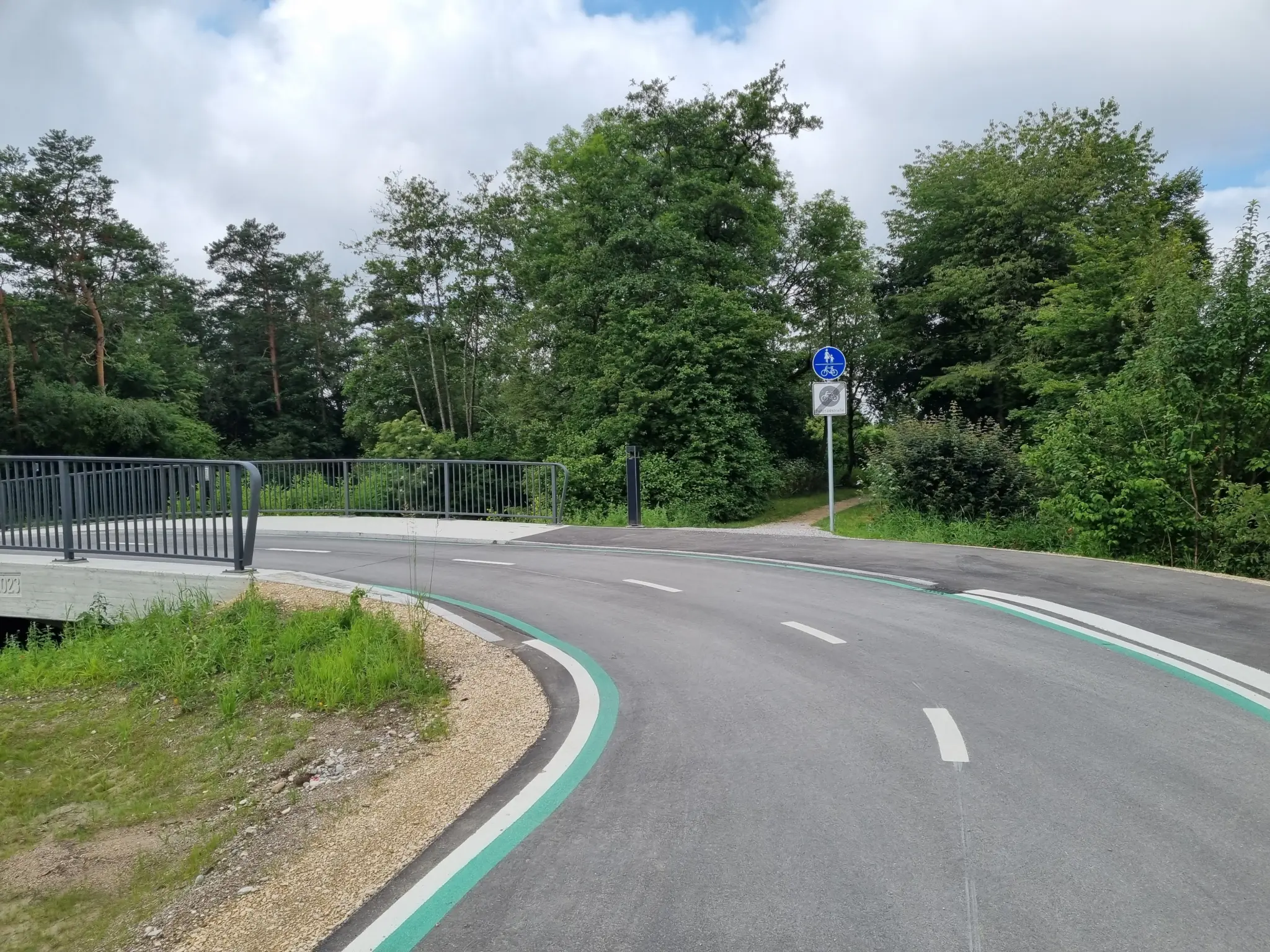
Station parking, superhighways: the lines that fall
Two items take a harder hit. The first is the federal programme for bike parking at railway stations, which the source describes as “much in demand”: “once again, no funding is earmarked for new projects”. The second covers cycle superhighways and paths along federal waterways, funding “so far less drawn on because of lengthy planning procedures”, whose resources “are to fall by around €43 million between them”. And that money is not going elsewhere in cycling: according to Zukunft Fahrrad, “a redeployment towards more sought-after and underfunded programmes is not planned”.
Added to that are smaller but telling cuts: two million euros less for support for active mobility, five million for experimental cycling projects and four million for electric cargo bikes for professional use, these last two items falling under the national climate protection initiative.
“A bad signal”, according to Zukunft Fahrrad
The trade association Zukunft Fahrrad, which represents companies in the sector, made its analysis public on the first day of budget week in the Bundestag, calling the cuts a “bad signal”. It is asking for the planned cuts to be withdrawn and, instead, for investment in cycling to be stepped up.
Its director, Wasilis von Rauch, sums up the gap: “the federal government is cutting the necessary resources” for a trend it otherwise acknowledges, and puts forward an economic argument — “every euro for safe cycling infrastructure pays for itself several times over”.
The figure the association relies on comes from the Fahrrad-Monitor, the federal transport ministry’s survey: the share of people who want to ride a bike or an electric bike more often rose “from 41 to 55% between 2021 and 2025”, putting cycling “at the top among modes of transport” on that intention indicator. The gap the sector is pointing to fits in one line: the desire is rising, the funding is falling.