IN BRIEF
The Dutch cities of Houten and Amsterdam will introduce a 20 km/h speed limit on selected cycle paths in 2026. The aim is to reduce cycling crashes, which caused 281 deaths in 2025. The scheme, which involves signs and cameras to monitor cyclists’ speed, makes no provision for police penalties if the limit is ignored. The project is part of a wider effort to improve cycling safety in the country.
An experimental safety measure
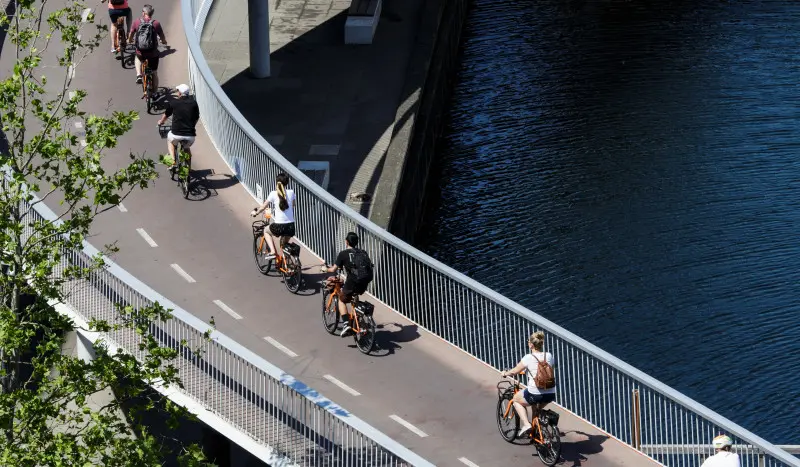
The Netherlands, the quintessential cycling nation, is to trial an unprecedented 20 km/h speed limit on selected cycle paths from 2026. The initiative will begin in Houten on a very busy street, then extend to Amsterdam a few months later. The trial forms part of the 2025-2029 Multi-Year Cycling Safety Plan, which aims to bring down the number of crashes involving cyclists.
According to Vincent Karremans, the Minister of Infrastructure and Water Management, the measure is a response to a worrying rise in cyclist crashes. In 2025, 281 cyclists lost their lives and nearly 81,000 people were admitted to hospital after cycling crashes, according to VeiligheidNL, an injury research centre.

Measures with no police enforcement
To put the limit in place, the municipalities will install road signs and cameras to monitor cyclists’ speed. Conventional bikes, e-bikes and fatbikes will all have to observe the limit on the routes concerned. The police, however, will not fine those who break it, for lack of resources and priorities.
Houten residents have voiced some doubts about how effective the measure can be without any real penalty. “Young people on bikes couldn’t care less about a sign like this one”, says one resident, stressing that fines are essential if the limit is to be respected.

What is at stake for vulnerable road users
In Amsterdam, deputy mayor Melanie van der Horst backs the trial. She stresses that the safety of the most vulnerable users, such as older people and parents with children, is at the heart of the initiative. The city’s cycle paths are indeed becoming more and more congested.
If the measure proves conclusive, it could be extended to other municipalities, although no national rollout is planned without a thorough evaluation. The Netherlands is thus continuing to innovate to keep its cyclists safe, while proving that slowing down can be the best way forward.