IN BRIEF
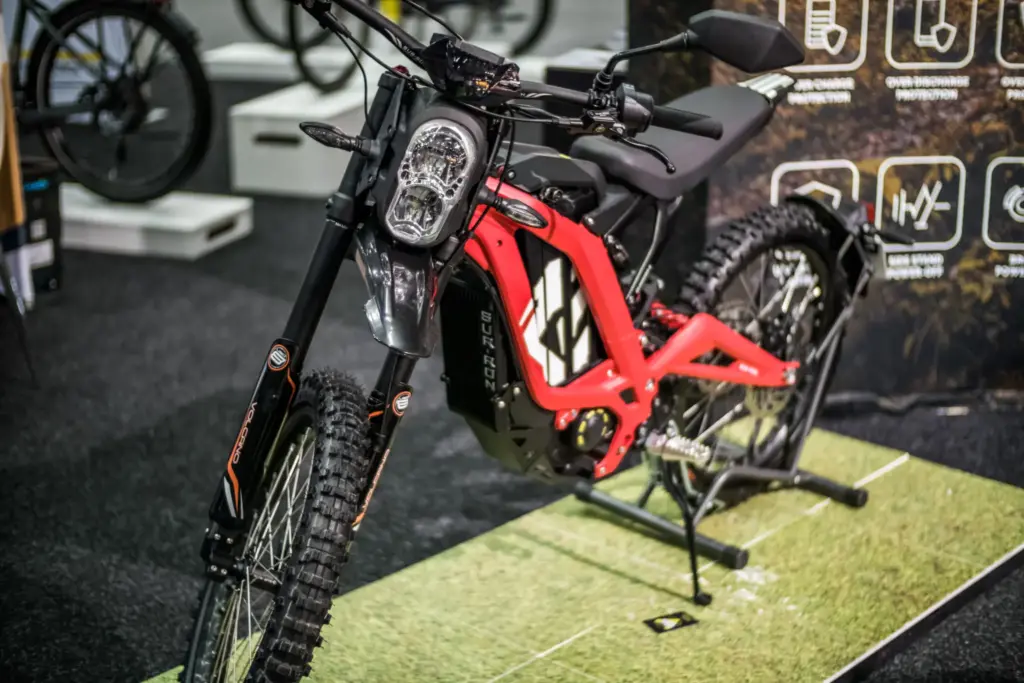
London’s police announced on 27 August that it is taking its Sur-Ron fleet from 5 to 25 machines, lightweight electric motorbikes deployed against phone theft. The Metropolitan Police statement and mayor Sadiq Khan both refer to them as “e-bikes” — a term that, in British law, covers a category reserved for cycles whose continuous rated motor power is capped at 250 W and whose assistance cuts out at 15.5 mph. Sarah Hendrica Bickerton has criticised the authorities for that usage, and road.cc reports that the BBC quickly corrected its own headline to “e-motorbikes”. The same blur is paid for at the counter: a bike shop operator in Cambridgeshire says owners of illegal machines demand repairs and sometimes turn aggressive when her workshop refuses.
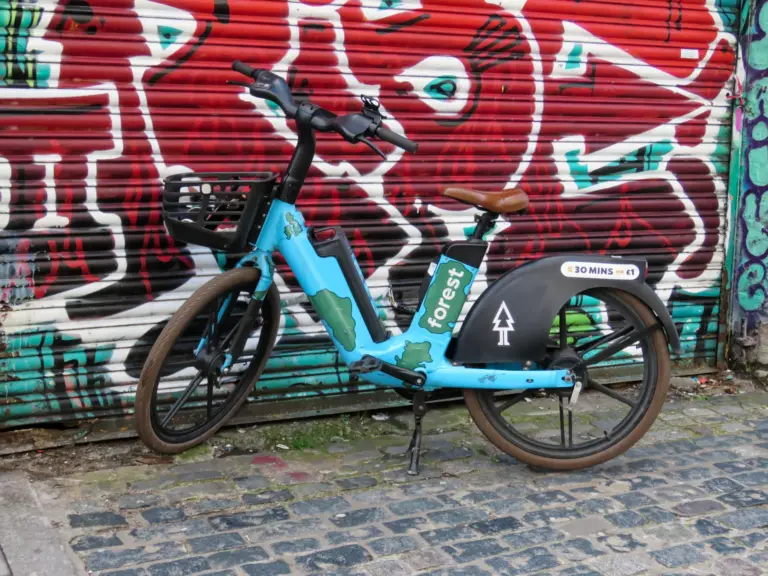
A four-letter word, “bike”, and two objects that have nothing in common: on one side a cycle whose motor stops helping at 25 km/h, on the other an electric trials motorbike. In the United Kingdom, two stories from this week show that the confusion is paid for well beyond vocabulary.
London’s police call its Sur-Ron motorbikes “e-bikes”
The Metropolitan Police statement, published on 27 August, is titled bluntly: “Met expands fleet of crime-fighting e-bikes to catch offenders”. The text announces the move from 5 to 25 machines, made by Sur-Ron, deployed in Camden, Islington, Hackney, Tower Hamlets, Westminster, Kensington & Chelsea and Hammersmith & Fulham.
London’s mayor uses the same term. In that statement, Sadiq Khan says that “the Met’s new fleet of Sur-Ron e-bikes sends a clear message: London will not tolerate criminal behaviour”. The force also estimates that the scheme has helped cut phone thefts in the capital by “more than 13,000 offences” over a year, and specifies that the fleet is funded by “profits seized from criminals and reinvested into policing”. Louise Puddefoot, Deputy Assistant Commissioner for Frontline Policing, sees it as “another powerful tool to stay one step ahead of criminals”.
A word that means something else in British law
The problem is that “e-bike” is not a vague word on the other side of the Channel. As road.cc points out, a legal electrically assisted pedal cycle there meets a precise definition: a continuous rated power of 250 W at most, assistance that cuts out at 15.5 mph — about 25 km/h — and no registration. The police’s Sur-Rons, for their part, fall into the motorcycle category: licence, registration, insurance.
Sarah Hendrica Bickerton, a public policy lecturer, has criticised that usage among the authorities as much as in the media, summing up, according to road.cc, that “officials who should know better do not know better”, and arguing that the blur “feeds fear, uncertainty and doubt around e-bikes”. road.cc reports that the BBC, which had first written its headline about a fleet of “e-bike”, changed it “fairly quickly” to say “e-motorbikes”. road.cc does concede one difficulty: Sur-Ron itself presents its machines as “the original e-bikes”.
At the counter, the confusion ends in refused repairs
This vocabulary blur does not concern linguists alone. The same day, road.cc relayed comments made to the BBC by Carmen Orga, of Pell and Parker, the company that owns Richardsons Cycles — a retailer that runs “six branches across Cambridgeshire, Peterborough, Northamptonshire and Norfolk”.
She describes a scene that has become routine in its workshops: “If these illegal e-bikes break down, they expect us to repair them. Sometimes they become aggressive when we refuse to help.” And she sets out the retailer’s position: “They bring them into the shop and think we should be able to fix anything. But we don’t touch them, because they are illegal.” In her view, that confusion weighs on sales of compliant e-bikes — the ones the law actually allows.
The political demand follows. Again according to road.cc, the Labour MP for Peterborough Andrew Pakes has called on the government to close the legal gap by banning the sale of illegal e-bikes and conversion kits. A task that will run into the same obstacle as the rest of the issue: as long as the same word describes both the machine being targeted and the one being protected, the boundary will remain hard to enforce — including, this week, in official statements.