IN BRIEF
John Burke, who runs Trek, admits the company was “too aggressive” on inventory after the pandemic bike boom. Trek cut its retailers’ orders in half when, he says, it should have cut them by 75%. The American brand, which is celebrating its 50th anniversary, has gone through several rounds of layoffs, including one in October. Burke calls US tariffs “brutal”, but says Trek’s business is now significantly larger than before Covid.
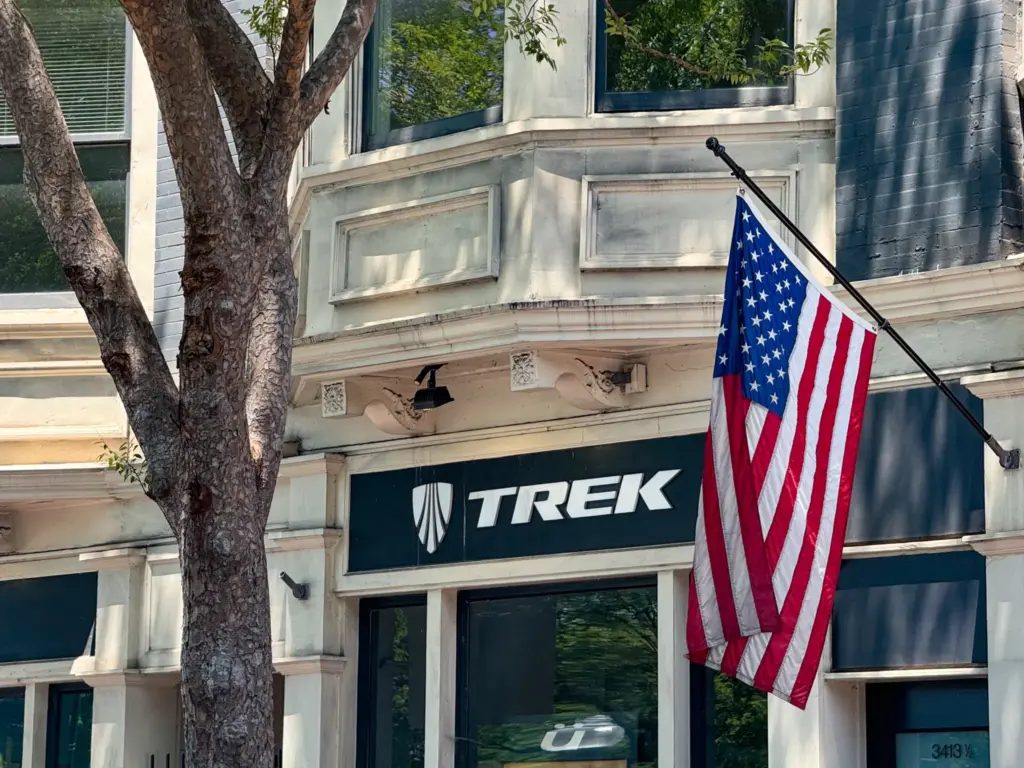
The interview, broadcast on 27 October, was meant to mark Trek’s 50 years. The Waterloo, Wisconsin, company was co-founded in 1976 by John Burke’s father and Bevil Hogg. Back then, he recalls, Trek was born out of touring bikes, built for riding long distances. Today, Burke says, Trek sells more bikes outside the United States than in its home market. “If you had asked me in 1984, ‘Will Trek ever be an international brand?’ I would have said no,” he says with amusement.
Trek and the inventory left over from the boom
The Covid years were, John Burke recalls, “by far the greatest years in Trek history”. What followed was much less so: demand fell, lead times were long and Trek ended up with a lot of inventory. “Everybody in the industry had a lot of inventory, and so you have to make adjustments,” he points out.
Asked about regrets, he does not dodge the question. “We made a lot of great decisions, but we definitely were too aggressive on the inventory side,” he admits. Trek cut its retailers’ orders in half, he explains, when it should have cut them by 75%. The lesson he draws from it fits in one sentence: “don’t look at your retailer’s orders; look at what’s actually selling through retail.”
After the pandemic, the bike bubble burst, leaving Trek in the red in some years, and the Waterloo company has carried out several rounds of layoffs, including one in October. John Burke does not dwell on what comes next. He argues that Trek’s headcount remains “much higher” than before the boom, while acknowledging that “it’s a lot more difficult to go down than it is to go up”.
Tariffs whose rules keep changing
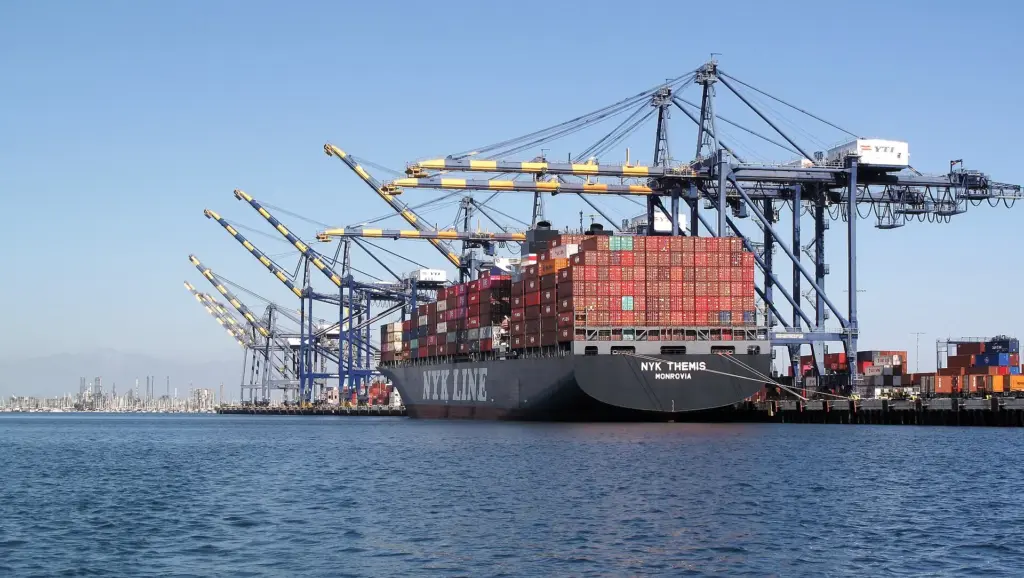
On tariffs, his tone hardens. “It’s brutal. You don’t know what the game is. The game changes all the time,” he says. And he takes aim at those who set them: “The people making the decisions clearly do not understand the details about the bicycle market, and it’s not good for the consumer.”
Describing himself as an independent, neither Democrat nor Republican, John Burke believes the United States has squandered some of its moral capital by bullying its partners with tariffs. Against this approach he sets a Trek house motto: “Make some friends.”
Bigger than before the pandemic, despite everything
Despite the hangover, John Burke says Trek’s business is today “significantly larger” than when the pandemic began. His roadmap relies on a “Toyota-esque” supply chain, “competent, committed” retailers and careful attention to customers. His outlook for what comes next cuts both ways: “The opportunities ahead have never been greater, and the threats outside have never been larger.”
For the next half-century, he makes an anniversary wish: that Trek will “make more of a contribution to helping the world” than in its first 50 years.