IN BRIEF
London police have seized more than 2,500 illegal e-bikes and e-scooters in 2026, already beating the 2,241 seizures recorded across the whole of 2025. On 25 July, Operation Lexand impounded 36 machines in a single day around Tottenham Court Road station — 29 bikes and 7 scooters. To settle the matter on the spot, officers use portable rolling road dynamometers that measure a bike’s speed in about a minute: above 15.5mph, or 25km/h, the assistance is no longer legal. Some of the machines tested were exceeding 27mph. This was the seventh operation of its kind this year, with five more scheduled before the end of the summer.
A rolling road set down on the pavement, an e-bike on top of it, and one minute to find out whether it is legal. That was the scene repeated on Friday 25 July around Tottenham Court Road station, in the heart of central London. The day’s tally: 29 e-bikes and 7 scooters seized, and two arrests.
A record number of illegal e-bike seizures, beaten at the halfway mark
The figure that broke the story: the Metropolitan Police have seized more than 2,500 illegal e-bikes and e-scooters in 2026, against 2,241 across the whole of 2025. The previous record therefore fell before the end of July. Operation Lexand on 25 July was the seventh of its kind in the capital this year; five more are scheduled before the end of the summer.
“We have heard loud and clear that Londoners are fed up with the criminal and antisocial use of e-bikes,” says Commander Neerav Patel, who leads the operation. His deputy on the ground, Superintendent Luke Baldock, notes a change of mood: “Usually we get a lot of abuse when we come out like this, but this has been like night and day.”
One minute on a rolling road to settle it
This is the tool that changes things. The Met is deploying two Dynostar rolling roads and two portable Wenger kits which work, LBC reports, like treadmills and make it possible to measure a machine’s speed on the spot. A check takes about a minute. According to Electrek, the Met is one of only two police forces in the United Kingdom deploying this portable equipment.
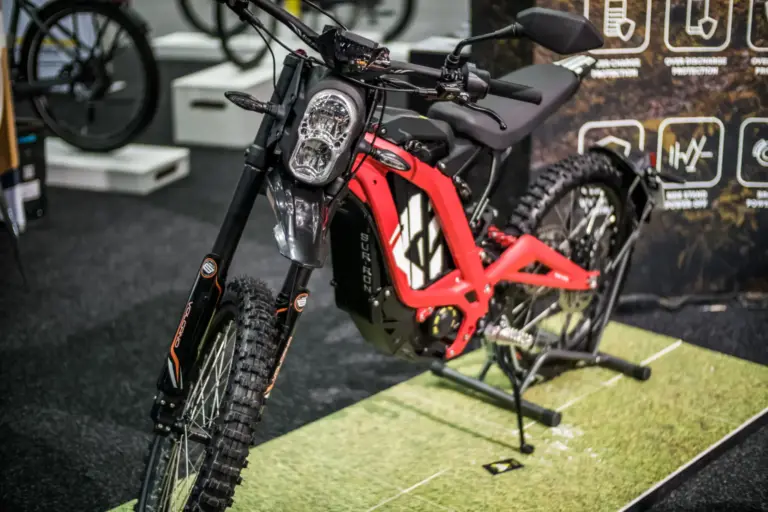
The rule is clear-cut: a vehicle must not exceed 15.5mph, or 25km/h, under electric power — whether that power comes through the pedals, the battery or a throttle. Some of the bikes tested on 25 July were exceeding 27mph. The brands seized include Engwe, Fiido, Hitway and Super73. Privately owned e-scooters fall under a different regime: they are quite simply illegal on public roads in the United Kingdom, whatever their speed.
Seized vehicles are kept for fourteen days, giving their owner time to produce the necessary paperwork. After that, they are recycled or destroyed.
Behind the seizures, phone theft
This is not a roadworthiness check in disguise. The stated target is derestricted machines used to snatch phones and get away before anyone has time to react. “Phone theft in the West End, increasingly committed by thieves riding illegal e-bikes, has almost halved,” says Neerav Patel.
Across London as a whole, the Met points to a 14% fall in neighbourhood crime over the twelve months to the end of June — 35,000 fewer offences — a 23% fall in theft from the person, or 23,311 fewer offences, and an 11% fall in robbery, or 2,943 fewer. These figures cover crime across London as a whole, well beyond the e-bike operations alone, and no source attributes them to a single cause.
The fact remains that the scheme plays out at the end of the chain. A rolling road measures a machine already in circulation, once it is being ridden around London: at that point, it is the rider who walks home. With five more operations still scheduled before the end of the summer, the Met has plenty of scope to push its tally up — the question of where these bikes enter the market, though, is not its remit.