IN BRIEF
Signed in mid-January 2026 by Governor Phil Murphy, a law makes New Jersey the first US state to require a licence, registration and insurance all at once to ride an electric bike. Riders have until 19 July 2026 to comply. Cyclists’ complaint: the text treats a pedal-assist bike capped at 32 km/h and a far faster electric motorbike in exactly the same way. A large rally outside the Trenton statehouse, more than 2,100 letters of opposition and the backing of several elected officials are already calling for it to be revised.
Last week, a crowd gathered outside the Trenton statehouse to demand the revision, if not the repeal, of a law due to take full effect on 19 July. The text, passed in the name of safety after a series of crashes involving electric two-wheelers, subjects almost every electric bike in New Jersey to obligations until now reserved for motor vehicles. For its critics, the problem is not regulating, but lumping everything together.
Licence, registration, insurance: what the law changes
Since 19 January 2026, New Jersey has sorted electric bikes into two families. Pedal-assist models, whose motor cuts out at 32 km/h (20 mph), must now be registered. Those fitted with a throttle and reaching 45 km/h (28 mph) move into the “motorised moped” category: registration and insurance are compulsory.
In every case, a licence is required. From the age of 17, a standard driving licence is enough; between 15 and 16, a specific permit is demanded; below 15, riding is simply banned. A helmet becomes compulsory at any age. To soften the blow, the state has arranged not to charge test, registration and licence fees during the first year.
Stacking up these obligations is unprecedented: New Jersey is described as the first US state to combine licence, registration and insurance for electric bikes. Where most states draw fine distinctions between types of bike, this one has opted for the widest net.
The same rules for a city bike and an electric motorbike
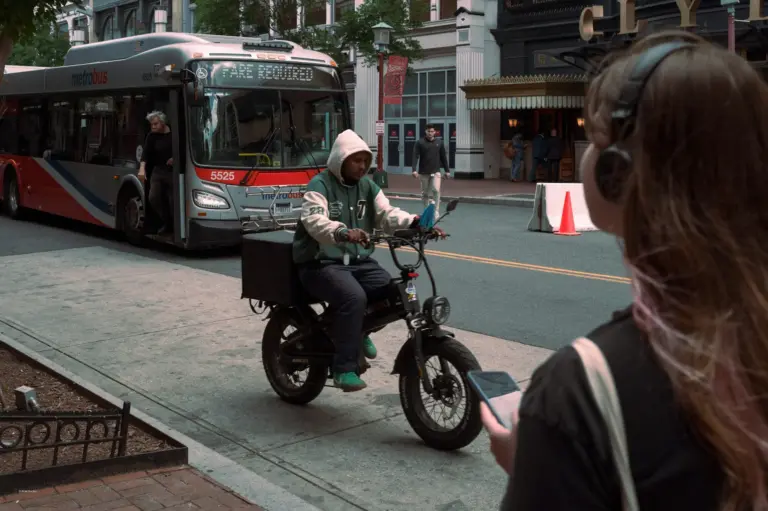
This is the heart of the anger. Putting a pedal-assist bike, which tops out at 32 km/h, in the same framework as an electric motorbike able to keep up with traffic amounts, for many riders, to confusing two entirely different objects. The distinction between an electric bike and an “e-moto” is well known, though: the industry has been pointing it out for years, even if press headlines happily file anything with two wheels and a battery in the same box.
The contrast with Europe is stark. In France, an electric bike whose motor cuts out at 25 km/h remains a bicycle in the eyes of the law: no licence, no registration, no compulsory insurance. Only “speed bikes”, limited to 45 km/h, move into the moped regime, with a plate, insurance and a helmet. New Jersey, for its part, extends constraints close to those of a moped to even the slowest bikes.
A backlash that reaches beyond cyclists
The opposition is no longer confined to enthusiasts. In the space of a few weeks, the state has collected more than 2,100 letters against the law, and several elected officials have joined the movement, arguing that a slow electric bike is far closer to a bicycle than to a motorbike. Advocacy groups, for their part, are swamped with calls from cyclists who understand neither what the law requires of them nor how to register. Confusion has become one of the main grievances.
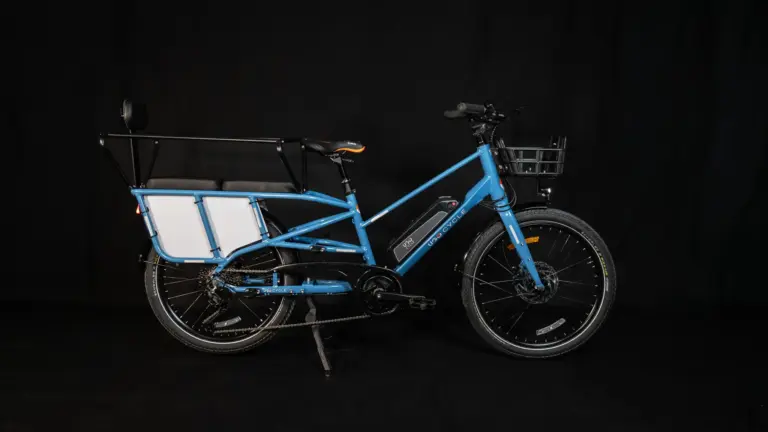
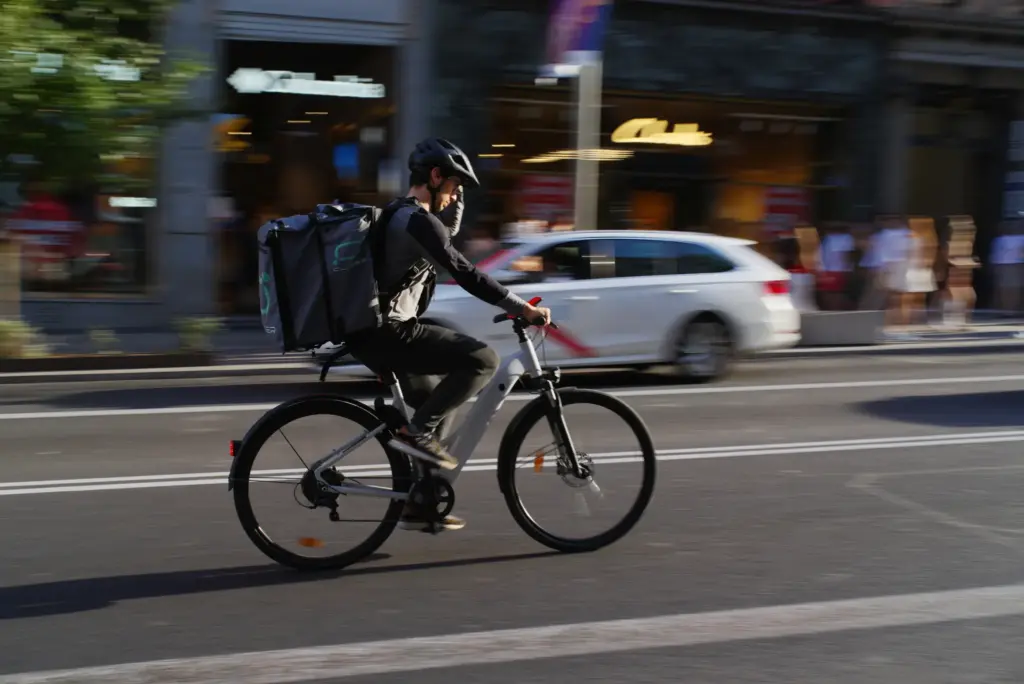
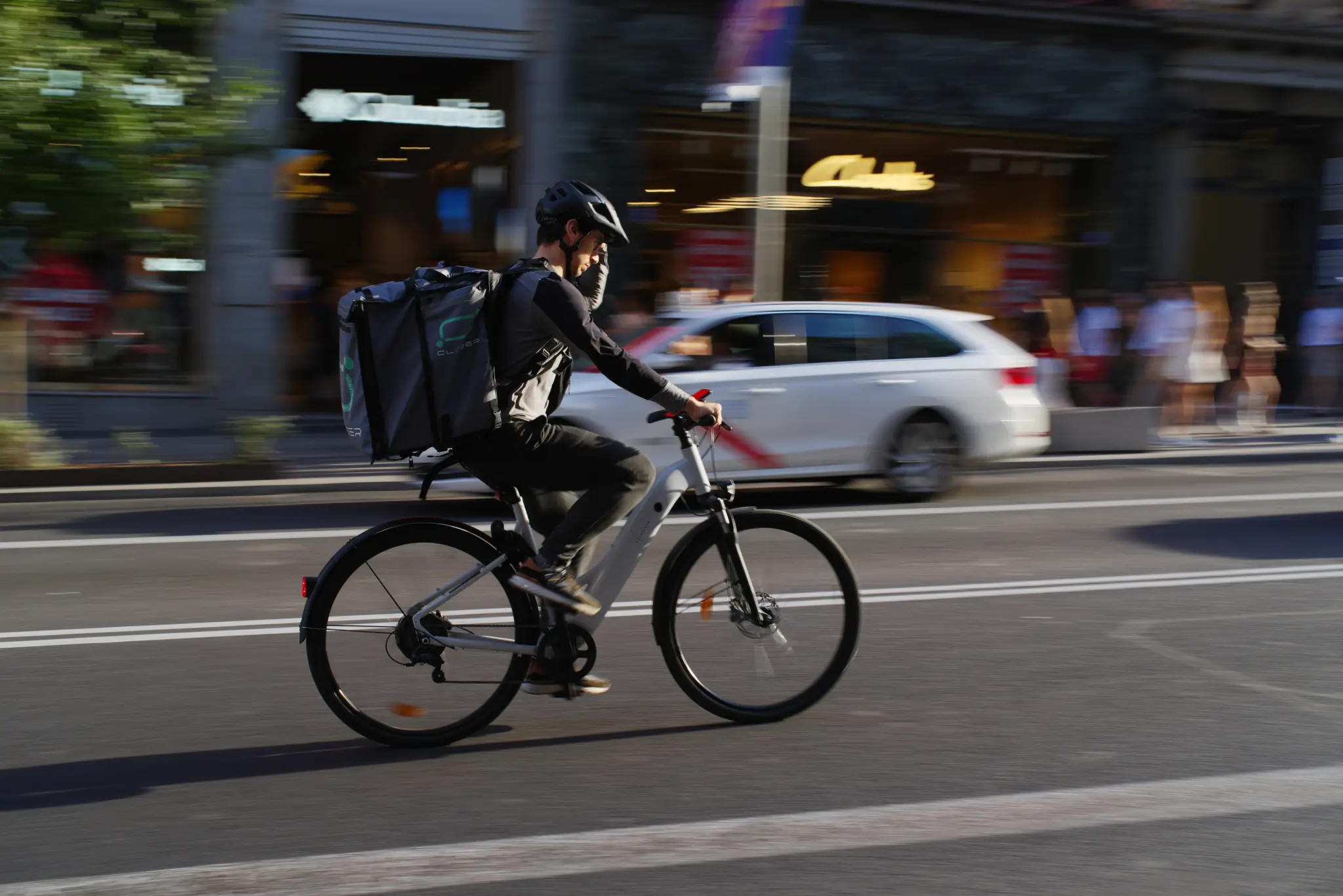
Critics point above all to those first in line. The hardest hit will not be the reckless riders of illegal electric motorbikes, they say, but the employees who pedal to work, the delivery riders and the families who carry their children by cargo bike. Several voices denounce a measure that will strike low-income households and immigrant workers first.
The transport system is so broken that the electric bike has become an essential way to get to work, to school or to the doctor, and our immigrant workers are going to be hit. We want to prevent crashes, but we need fair laws that make electric bikes accessible, especially for our Black and Latino neighbours.
Ana Paola Pazmiño, director of Resistencia en Acción NJ
A test case for electric bike regulation
The paradox is that many electric bike advocates are themselves calling for a crackdown on illegal electric bikes, the ones able to keep up with traffic. Their objection is about the method: answering that problem by adding barriers for the people pedalling to work or dropping off their children.
As other jurisdictions confront the rise of these machines, New Jersey looks like a full-scale test. We will soon know whether regulation this broad genuinely improves safety, or whether it merely puts the brakes on one of the most accessible forms of clean transport.