IN BRIEF
The US Consumer Product Safety Commission (CPSC) published a proposed rule on 24 June that would require UL-certified batteries on every electric bike sold in the United States. The text also provides for tamper-resistant battery enclosures, a battery management system (BMS) tested to prevent the charging of overheated cells, and protection against polarity reversal. Public comments are open until 24 August 2026.
| Regulation | CPSC – proposed mandatory rule (micromobility) |
| Publication | 24 June 2026, Federal Register (United States) |
| Public comments | until 24 August 2026 |
| Reference standards | UL 2849-20 (electric bikes) · UL 2272-24 (scooters) · UL 2271-23 (battery packs) |
| Products covered | E-bikes, scooters, electric skateboards, conversion kits, replacement batteries, chargers |
On 24 June 2026, the CPSC submitted a proposed mandatory rule on the safety of micromobility devices to the Federal Register. It targets first and foremost electrically assisted bicycles, scooters and electric skateboards. If adopted as it stands, no e-bike could be sold in the United States without meeting the requirements of the UL 2849-20, UL 2272-24 and UL 2271-23 standards.
Certified e-bike batteries: what the CPSC wants to impose
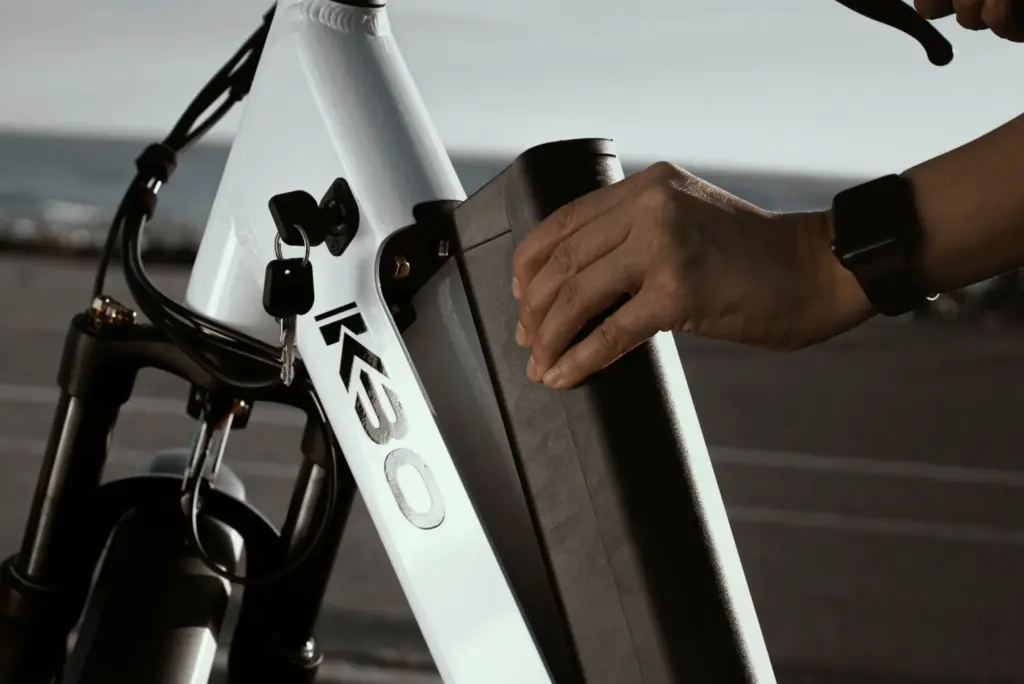
The proposal does not stop at requiring compliance with the existing UL standards. The CPSC considers that these voluntary standards do not cover every risk identified. The text adds four further requirements: battery enclosures that resist opening (to discourage replacement with non-certified cells); specific tests to ensure the BMS cuts off charging when a cell overheats; protection against polarity reversal caused by incompatible chargers; and strengthened warning labels on the risks of home-made chargers and replacement packs.
The regulation would also cover the conversion kits that turn a conventional bicycle into an e-bike — a category often singled out as the main source of fires. Replacement batteries and aftermarket chargers would likewise be subject to the same rules as original equipment.
51 battery fires from electric devices recorded in the United States
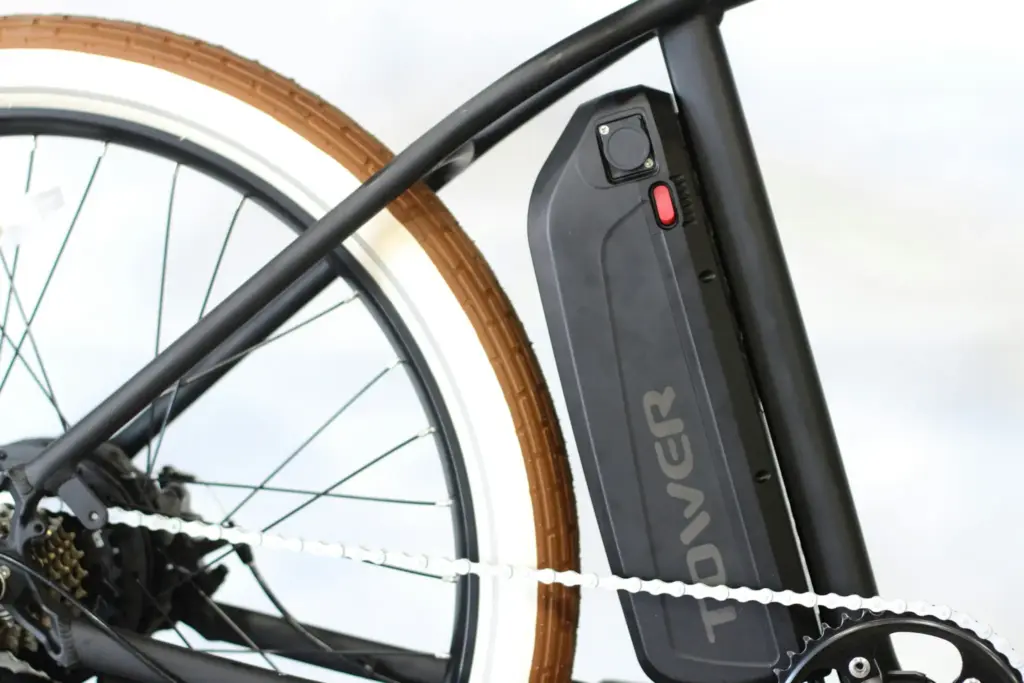
The CPSC proposal comes as the agency steps up its warnings: 51 fire incidents linked to batteries in electric devices have been recorded in the United States, attributed to several brands — Rad Power Bikes, Unit Pack Power and Ridstar — all of which have refused to issue a recall. Ridstar alone has accumulated two warnings in 2026: the first in March, for a battery fire risk on its Q20 and Q20 Pro; the second on 25 June, this time for a front wheel coming off while riding on the Q20 and Q20 Lite. The overwhelming majority of fires involve non-certified replacement batteries or incompatible chargers — not the integrated systems of established brands.
Elsewhere in the world, the trend is no better. In the United Kingdom, fires linked to lithium-ion batteries, across all uses, rose by 93% between 2022 and 2024 — from 690 to 1,330 incidents — according to insurer QBE. Fires specifically involving e-bikes doubled over the same period, going from 181 to 362. Experts consistently point to the same factor: battery packs bought outside official channels and fitted to bikes they were never intended for.
Europe already regulated, the United States catching up
In Europe, the e-bikes on sale have for years been subject to CE marking and to the harmonised standards for electrically power assisted cycles. The current American framework, by contrast, rests on voluntary standards — not mandatory ones. The CPSC proposal aims to close that regulatory gap by making compliance with the UL standards binding rather than optional.
PeopleForBikes, the organisation representing the bicycle industry in the United States, is closely following the text’s progress. Market players have until 24 August 2026 to file their comments with the CPSC before the commission decides whether to move further towards a final regulation.
What it means for e-bike buyers
If the rule is adopted, the main impact will fall on importers of low-cost e-bikes that do not yet meet the UL standards. For the big brands already compliant, the change will be minor. For buyers, on the other hand, the rule would bring one certainty: any e-bike legally sold in the United States will have passed safety tests defined by the CPSC. The advice holds good on both sides of the Atlantic: never replace an e-bike battery with a generic pack bought outside the manufacturer’s official channels.