IN BRIEF
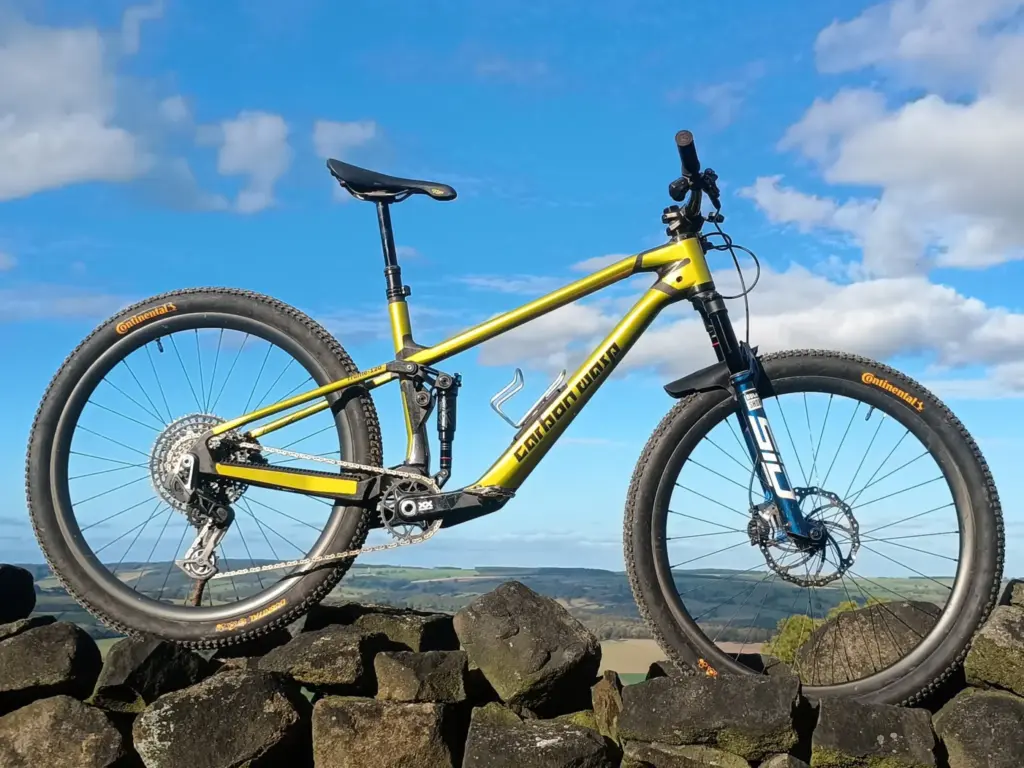
Carbon Wasp, which builds its frames by hand in its Leeds workshop, is updating the Truffle-120, a 29-inch mountain bike with 120 mm of travel. Around 10 % of the frame’s layup is now recycled carbon fibre, supplied by Lineat Composites, a spin-out of the University of Bristol, Carbon Wasp states on its blog. The carbon linkage gives way to aluminium plates, which are simpler to manufacture. The official product page lists €3,715.95 for the frame with a Cane Creek shock.
| Price (official Carbon Wasp website) | €3,715.95, frame with Cane Creek IL DB Air shock |
| Type | 29-inch XC, trail and downcountry mountain bike, sold as a frame |
| Rear travel | 120 mm, single pivot with flex stays |
| Frame | pre-preg carbon, handmade in Leeds; around 10 % recycled fibre (Carbon Wasp) |
| Linkage | aluminium plates |
| Geometry (Singletracks) | 4 sizes, 480 mm reach in L, 65.5° head angle |
| Chainstays | from 435 to 460 mm in 5 mm steps, chosen when ordering |
| Rear end | Boost 148 dropouts, tyres up to 29 x 2.6 inches |
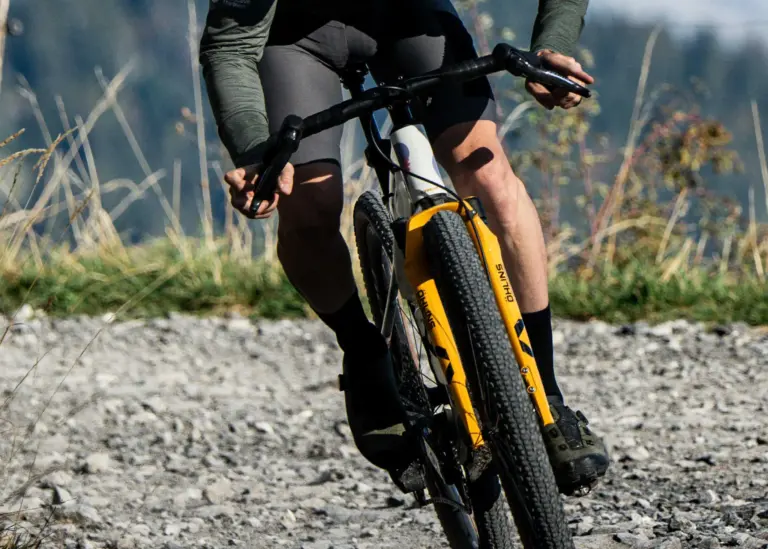
Carbon Wasp presents the Truffle-120 as a 29er “from Yorkshire”, straddling cross-country, trail and downcountry. The official product page states that all its frames are made by hand, in its Leeds workshop, from pre-preg carbon. The new version keeps the same idea but changes what goes into the moulds.
Recycled carbon in the Truffle-120 frame
Around 10 % of the Truffle-120’s layup is now recycled fibre, Carbon Wasp states on its blog; Singletracks describes it as spread throughout the frame. Carbon Wasp sources it from Lineat Composites, a company spun out of the Bristol Composites Institute at the University of Bristol. The brand specifies that this material retains around 80 % of the properties of a continuous fibre. Carbon Wasp writes that, for now, this fibre comes from manufacturing waste that would otherwise end up in landfill, and that it forms the visible layer of its parts, mainly for aesthetic reasons. The brand says it uses it in all its carbon parts and presents the 10 % as “a small proportion for now”, adding “it’s a start”.
Singletracks states that the brand reworked its layup so that the frame keeps the same weight as before, with the same strength and stiffness in key areas.
An aluminium linkage, simpler to produce
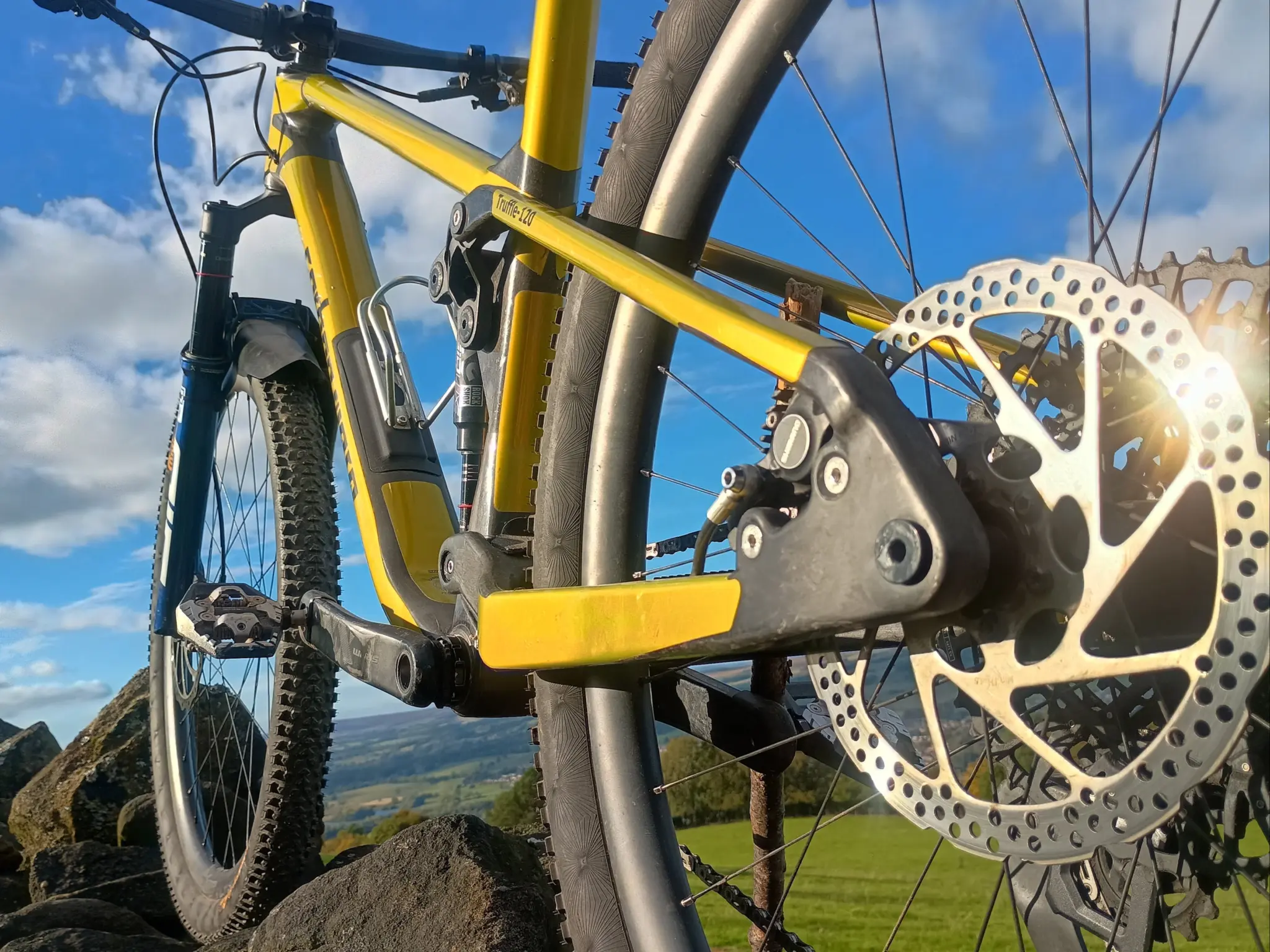
Second change: the carbon linkage gives way to aluminium plates on either side of the shock, Singletracks and road.cc write. Singletracks gives the reason: machining these parts on a CNC is “more straightforward” than moulding carbon parts.
The Truffle-120 offers 120 mm of rear travel, with a single pivot and flex stays. It comes in four sizes, with a 480 mm reach in L and a 65.5° head angle. The official product page lists Boost 148 dropouts, rear tyre clearance of 29 x 2.6 inches and chainstays selectable from 435 to 460 mm, in 5 mm steps.
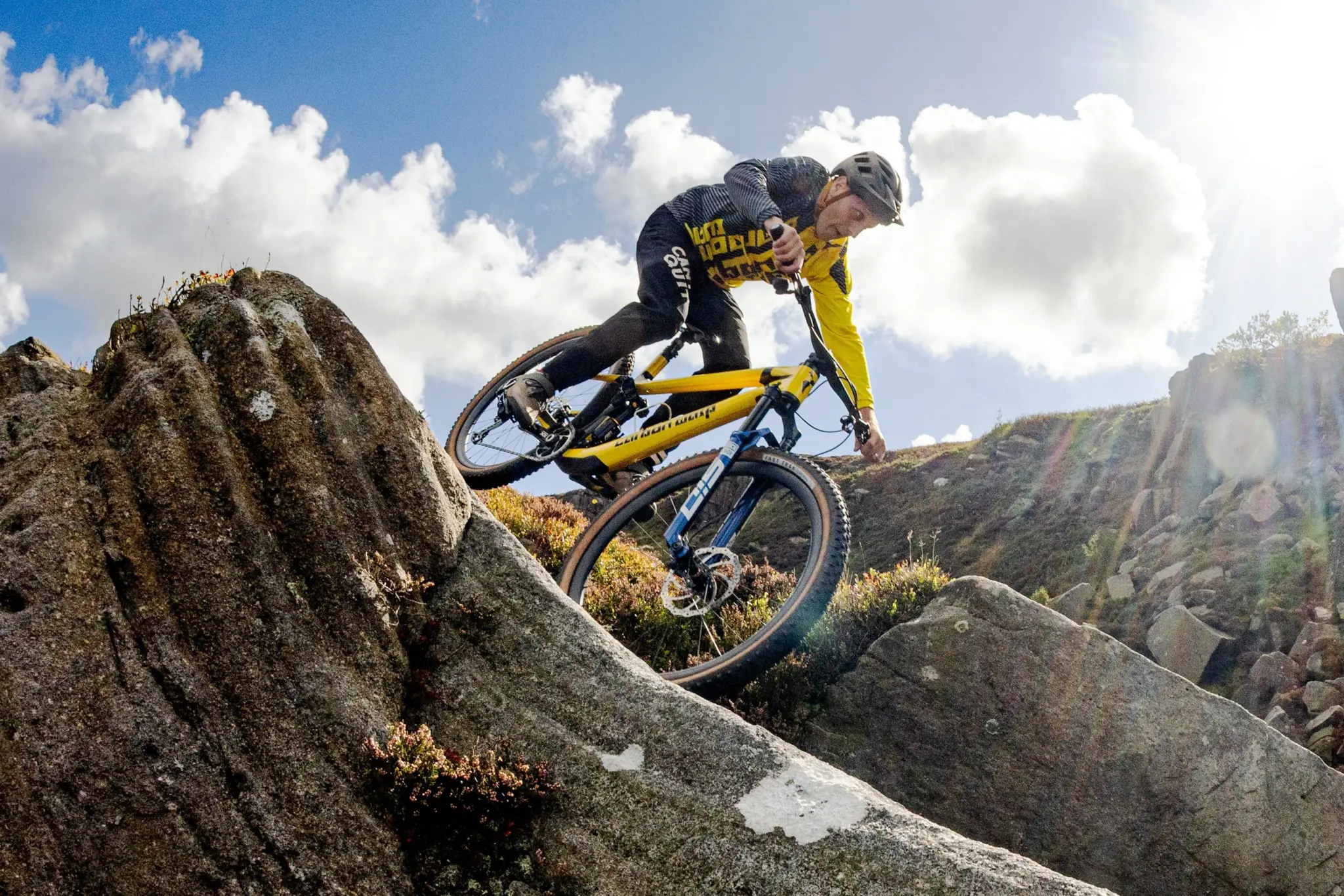
The Carbon Wasp Truffle-120 is sold as a frame
The Truffle-120 is sold as a frame, road.cc notes. On Carbon Wasp’s official website, the frame with a Cane Creek IL DB Air shock is listed at €3,715.95. As of 22 October, the official product page showed it in stock.