IN BRIEF
Bosch is launching “Certified by Bosch”, a digital certificate for e-bikes refurbished by professionals. It details the condition of the battery (charge cycles, remaining capacity as a percentage) and of the motor, and confirms that the bike is neither stolen nor derestricted. Rebike will be the first partner to offer it, from July 2026 in Germany, Austria, Switzerland, France and the Netherlands. The programme will open to European specialist dealers from 2027.
The second-hand e-bike market suffers from a well-known problem: opacity. An e-bike may show 3,000 kilometres on the odometer, but how many cycles has the battery actually been through? Has the motor been derestricted? Bosch is attempting to answer those questions with a programme called “Certified by Bosch”, announced on 2 June 2026: a digital certificate detailing the real condition of a refurbished e-bike before purchase.
A health check, component by component
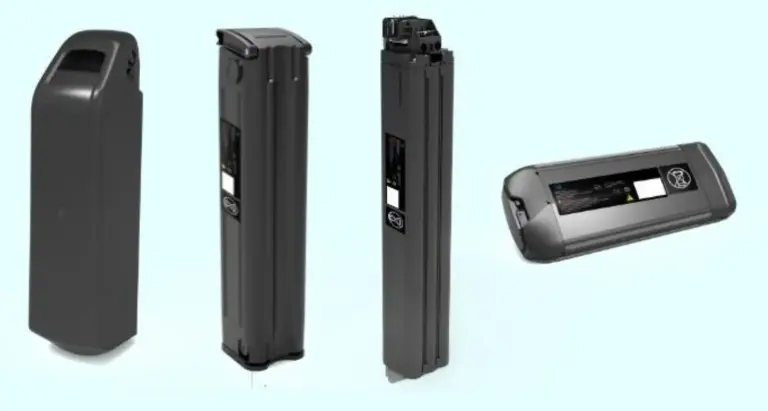
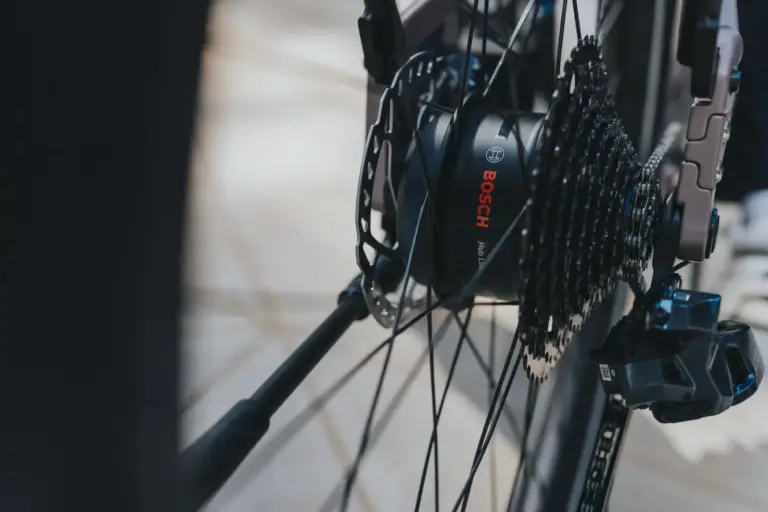
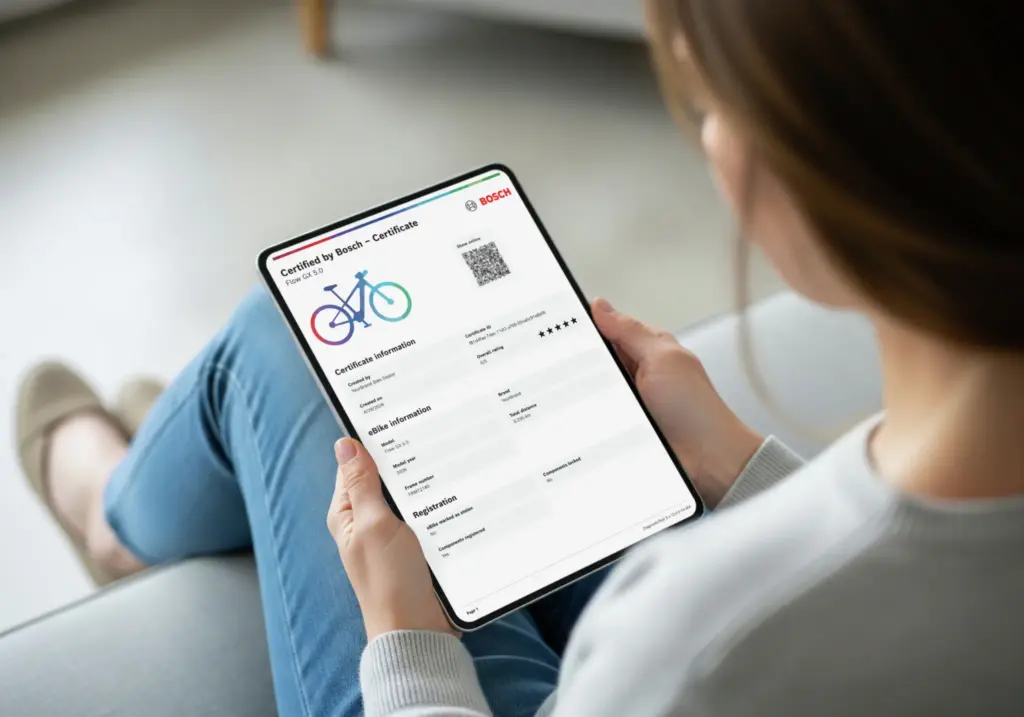
The document lists the key information for an e-bike fitted with a Bosch system. The battery is at the heart of the scheme: the certificate shows the number of charge cycles completed and the remaining capacity as a percentage — two figures that make it possible to estimate the remaining service life. The motor is covered too: total distance travelled, level of assistance use, serial number.
The certificate also confirms that the bike is not listed as stolen in Bosch’s eBike Flow app, and that no trace of derestriction has been detected. A QR code makes it possible to verify the authenticity of the document online and to compare the serial numbers of the components with those actually fitted to the bike. Basic identification details are included as well: brand, model, model year, frame number.
Some of this data is already available through the eBike Flow app — motor distance, battery cycles, serial numbers. The “Certified by Bosch” certificate consolidates it into a single document, readable and verifiable by a third party, including any errors logged on the battery or the software.
Rebike gets the ball rolling in July 2026
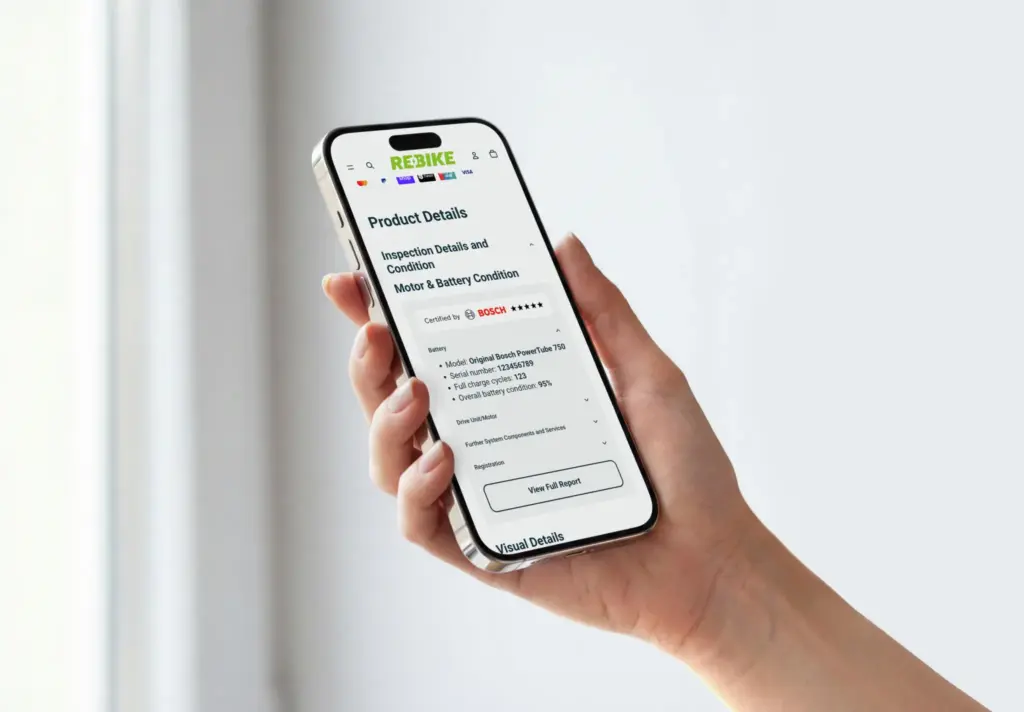
Rebike, a refurbishing specialist in which Decathlon is the majority shareholder, is the programme’s first partner. From July 2026, all of its e-bikes fitted with a Bosch system and sold in Germany, Austria, Switzerland, France and the Netherlands will come with the certificate.
In addition to our own services, such as our TÜV-certified premium refurbishing programme and the two-year Rebike warranty on the motor and the battery, we are bringing ever more transparency to the condition of our models fitted with the Bosch system thanks to the “Certified by Bosch” certificate.
Sven Erger, Chief Operating Officer at Rebike
Certified bikes will be available on the Rebike online shop, in the chain’s stores, on partner marketplaces and in selected Decathlon spaces. From 2027, Bosch plans to open the programme to European specialist dealers — a decisive step towards taking the initiative beyond the closed circle of professional refurbishing. Belgium, Spain and Italy are among the markets targeted for this expansion phase.
A programme limited to the Bosch ecosystem
There is a flip side: the certificate only covers e-bikes fitted with Bosch systems. A bike built around a Shimano, Brose or Fazua motor cannot benefit from an equivalent level of analysis. Bosch controls its proprietary data, and it is precisely that control which makes the diagnosis possible — but it also creates, in effect, a two-tier second-hand market depending on the motor supplier.
Our products are designed to deliver a higher level of quality and a long service life, which makes them perfectly suited to a second life on the second-hand market.
Claus Fleischer, CEO of Bosch eBike Systems
208 kg of CO₂ saved, according to TÜV Rheinland
Bosch is also putting forward an environmental argument. According to a study carried out by TÜV Rheinland, buying a second-hand e-bike fitted with a Bosch system would save up to 208 kg of CO₂ compared with manufacturing an equivalent new model — around 80% of the associated emissions. The calculation is based on a trekking bike with a Performance Line CX motor, a PowerTube 500 battery and a Kiox 300 display.
The reasoning is hardly surprising: reusing an existing product costs less energy than making a new one. The certificate, for its part, aims to make a second-hand purchase less of a gamble and more of an informed decision. A document will not replace a test ride or a visual inspection — the condition of the drivetrain, brake wear or any structural damage do not show up in electronic data. But it is a first concrete step towards a slightly less opaque second-hand e-bike market.