IN BRIEF
The electrically assisted bike has settled into bikepacking, and not only for the less athletic. It lets you carry more luggage, suffer less on the passes and stretch out daily stages. The trade-off is real: the battery means planning every night within reach of a 220 V socket. With the right choices of motor, capacity and route, the e-bike makes bike adventure accessible to far more people.
Twenty kilos of bike, five kilos of luggage, three passes and two days in the saddle: bikepacking was long a matter of trained legs. For the past few seasons, electric assistance has been reshuffling the cards. The e-bike does not erase the effort — it calibrates it. What changes fundamentally is the logistics: a battery cannot be recharged in a stream.
Electric gravel, the bikepacker’s best ally
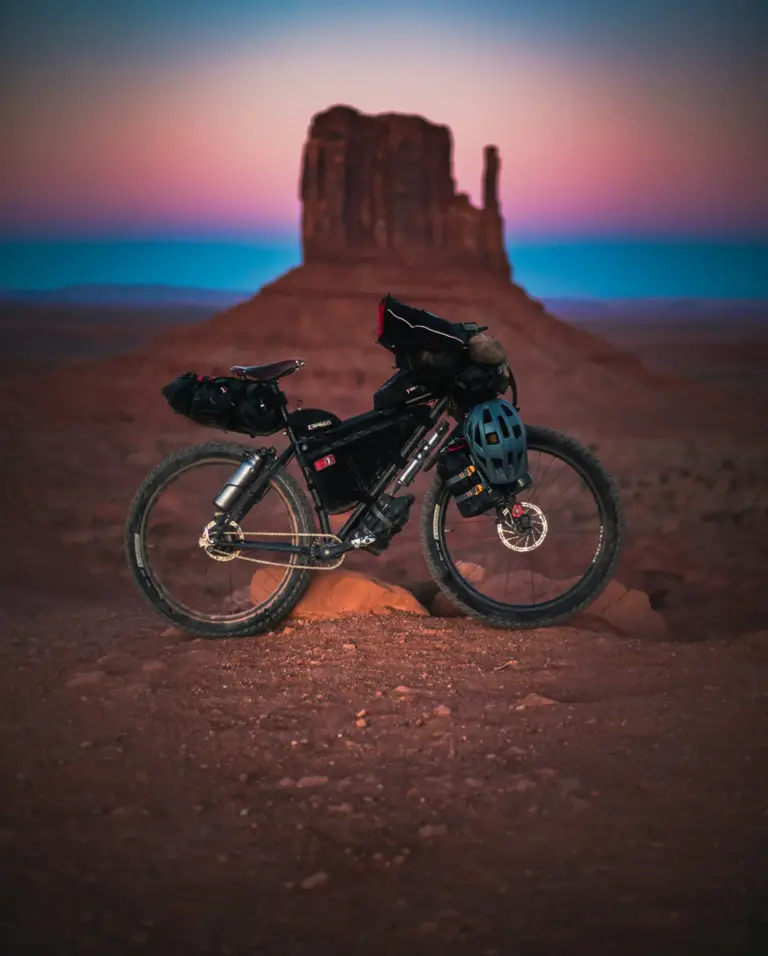
To head off self-supported for several days, the choice of bike is decisive. Electric gravel stands out as the most suitable format: its wide tyres (40 to 50 mm) soak up tracks and stony trails, and its frame multiplies the mounting eyelets — fork, handlebar, frame, down tube — where bags and bar rolls are attached. A trekking or hybrid e-bike also works on smoother routes, but loses versatility.
A mid-drive motor is the one to favour on a bikepacking e-bike: it distributes weight better, handles loaded climbs more efficiently and proves more durable over the long run than a hub motor. For rides loaded up in hilly terrain, the recommended torque is at least 50 Nm; motors of 75 Nm or more swallow the passes without straining.
Real-world range: between 60 and 100 km per charge
A 500 Wh battery claims 80 to 100 km of range on paper. In practice, on a loaded bike (10 to 15 kg of luggage) over broken terrain, expect more like 60 to 80 km, or even less on long climbs. On the flat and with measured use of eco mode, the same battery can exceed 120 km.
The most widespread solution for stretching out the stages: the range-extender battery, an additional pack fixed to the frame. Shimano offers extensions of 252 to 425 Wh for bikes fitted with the EP8 motor. Or Bosch’s PowerMore (250 Wh) for bikes fitted with the German motors. Some models, such as the Giant Revolt E+, combine a main battery and a 200 Wh extension, for a theoretical range that can approach 200 km in eco mode. Recharging a standard battery takes 3 to 5 hours from a domestic 220 V socket.
Planning your nights around power sockets
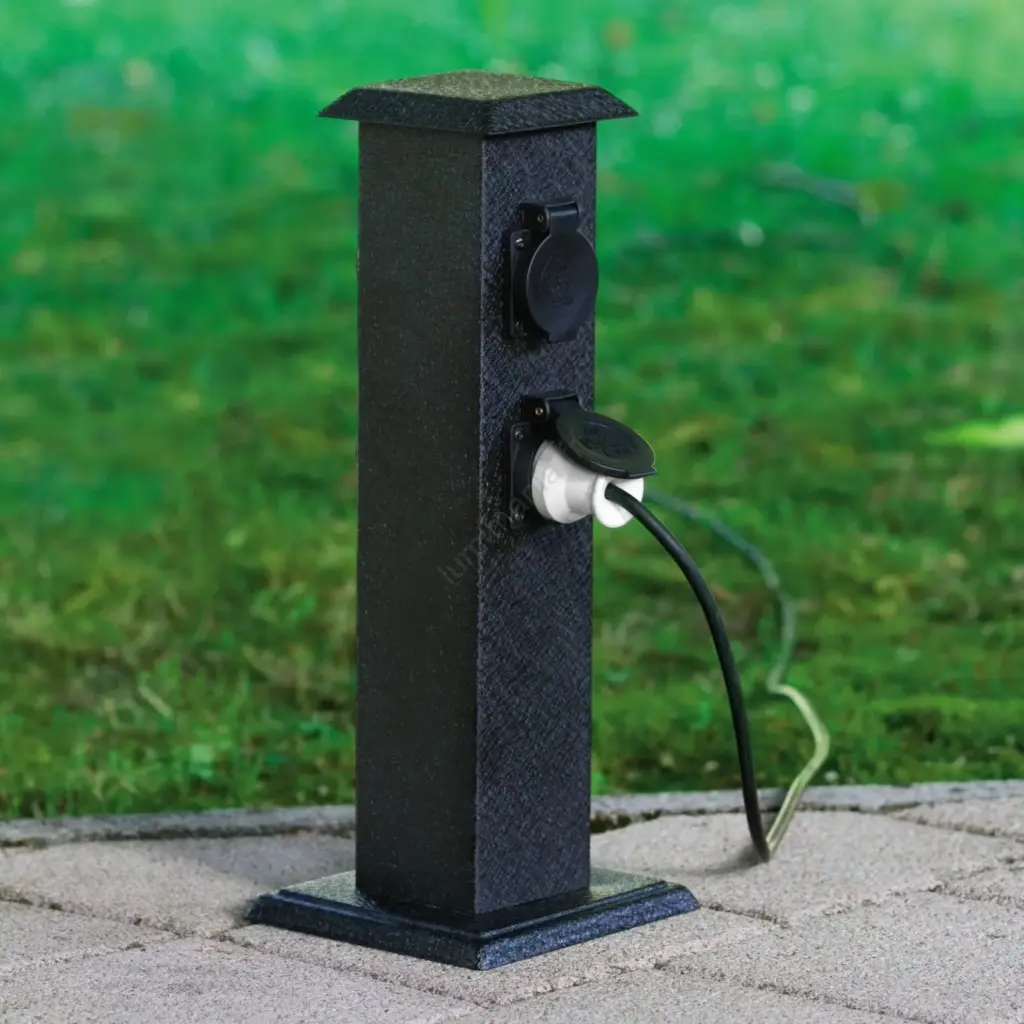
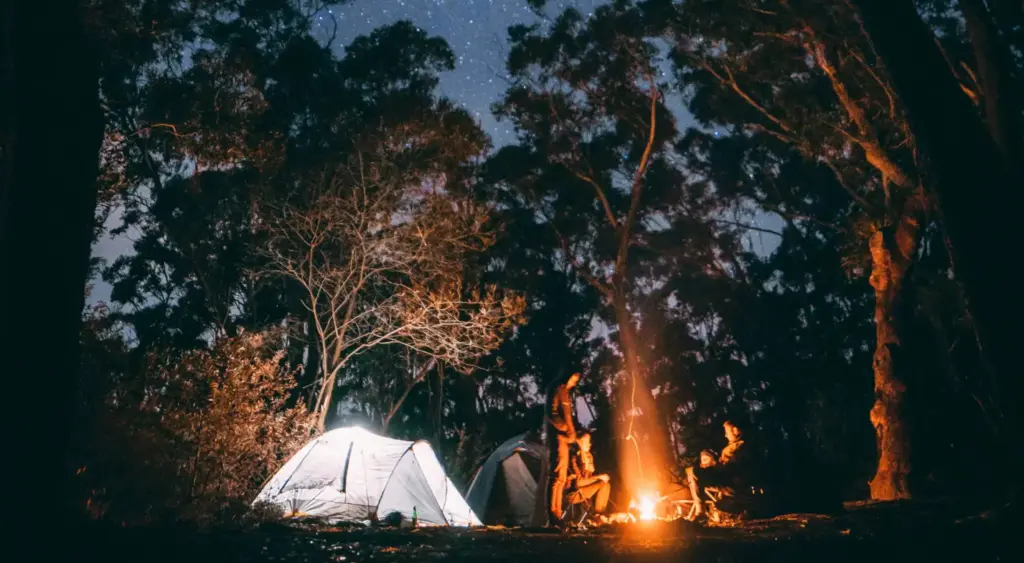
This is the sharpest break with traditional bikepacking. Where the unassisted bikepacker can pitch a tent anywhere, the e-bike makes you finish every stage where a socket is available. Municipal campsites with electric washblocks, hotels, guesthouses and accommodation certified “Accueil Vélo” — France’s cycling-friendly label, whose holders explicitly welcome cyclists and battery charging — become the anchor points of the route.
The Komoot app locates accommodation along the route; France Vélo Tourisme lists the “Accueil Vélo” establishments on the major cycle routes. The basic rule: never finish a stage below 20 % of battery, and always have a fallback place to stay identified in case plan A falls through.
Which e-bike to head off with this summer
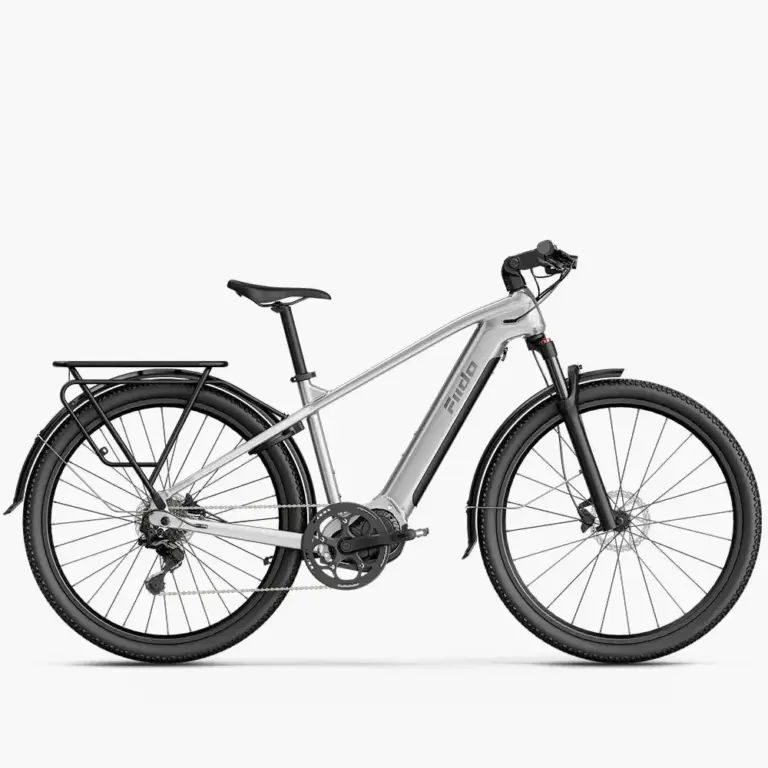
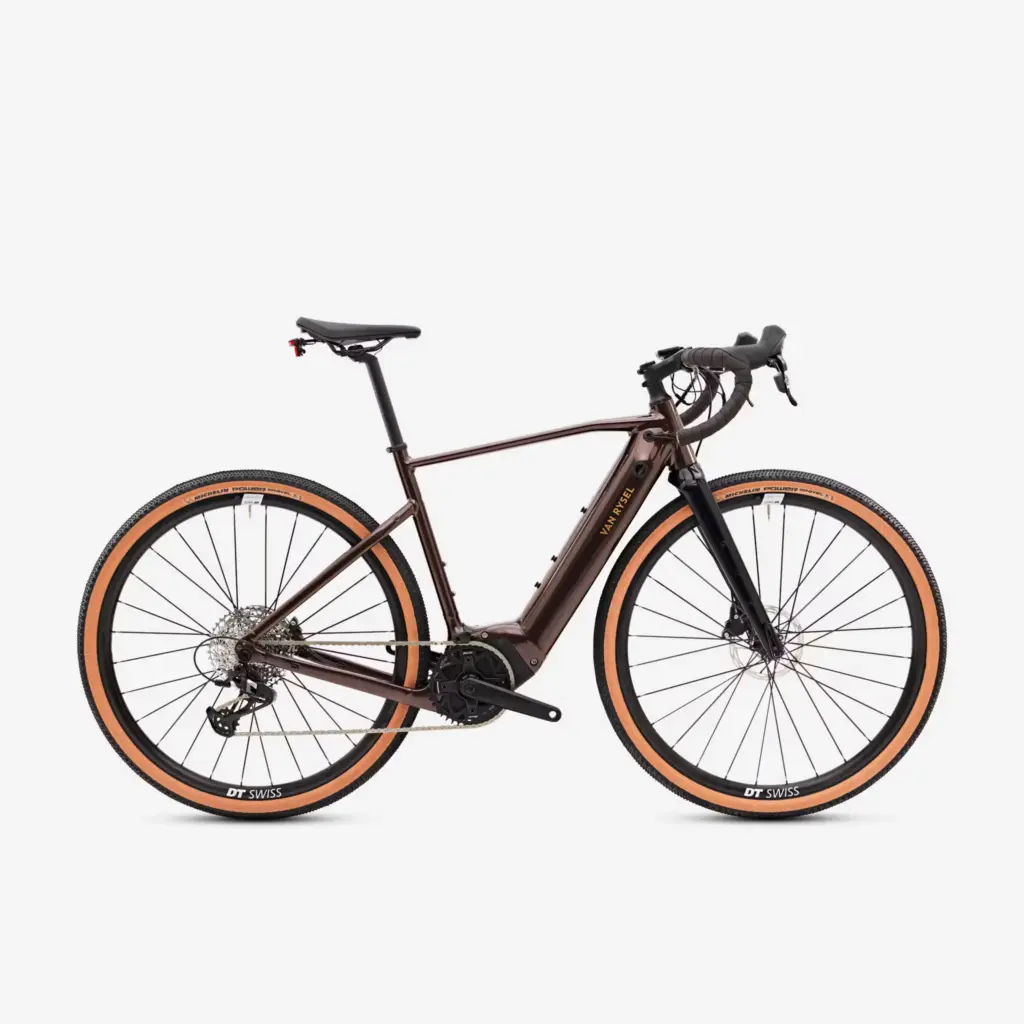
Reliable electric gravel bikes for multi-day bikepacking sit between €2,500 and €5,000. The Van Rysel E-GRX (Decathlon, around €2,800) offers a good range-to-price ratio to start out with. The Canyon Grizl:ON banks on a pronounced bikepacking geometry and numerous mounting points, with a Fazua motor to keep the weight down. The Specialized Turbo Creo SL plays the lightness card — around 12 kg — with an in-house 240 W motor and a 160 Wh range extender built into the top tube.
One point often underestimated: dead weight. An electric gravel bike weighs between 14 and 19 kg unladen, before the bags are added. On the stretches without assistance — a breakdown, precautionary charging, long descents — it makes itself felt in the arms and the legs if you have to push.
The ViaRhôna, the route best suited to the exercise
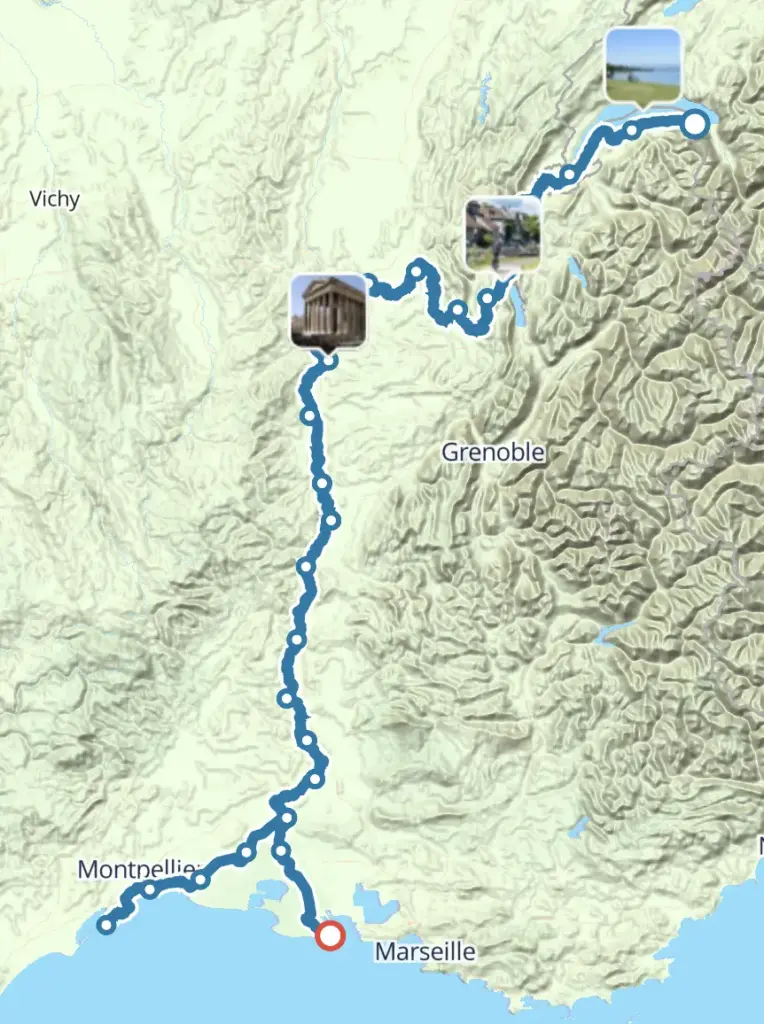
For a first multi-day e-bike adventure, the ViaRhôna (EuroVelo 17) is the best-suited route in France. Its 815 km link Geneva to the Mediterranean along the Rhône; the route is 96 % waymarked, the gradients stay moderate, and 35 partners spread along the way offer electric bikes for hire or charging points. Stages of 70 to 80 km match the standard range of an e-bike perfectly.
Other French routes lend themselves well to the exercise. The Loire by Bike (La Loire à Vélo) (nearly 900 km from the Auvergne to the Atlantic, almost flat), the Canal du Midi or the Nantes-Brest Canal share the same logic: regular stages, a developed service infrastructure and accommodation used to loaded cyclists.