IN BRIEF
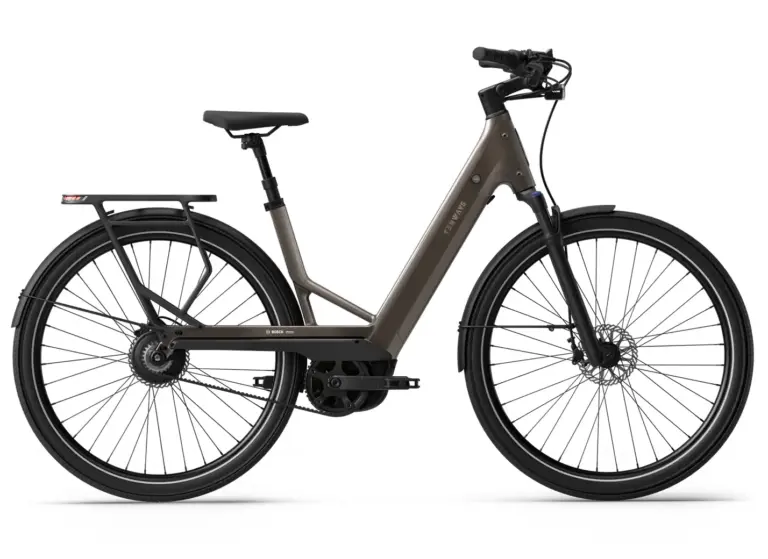
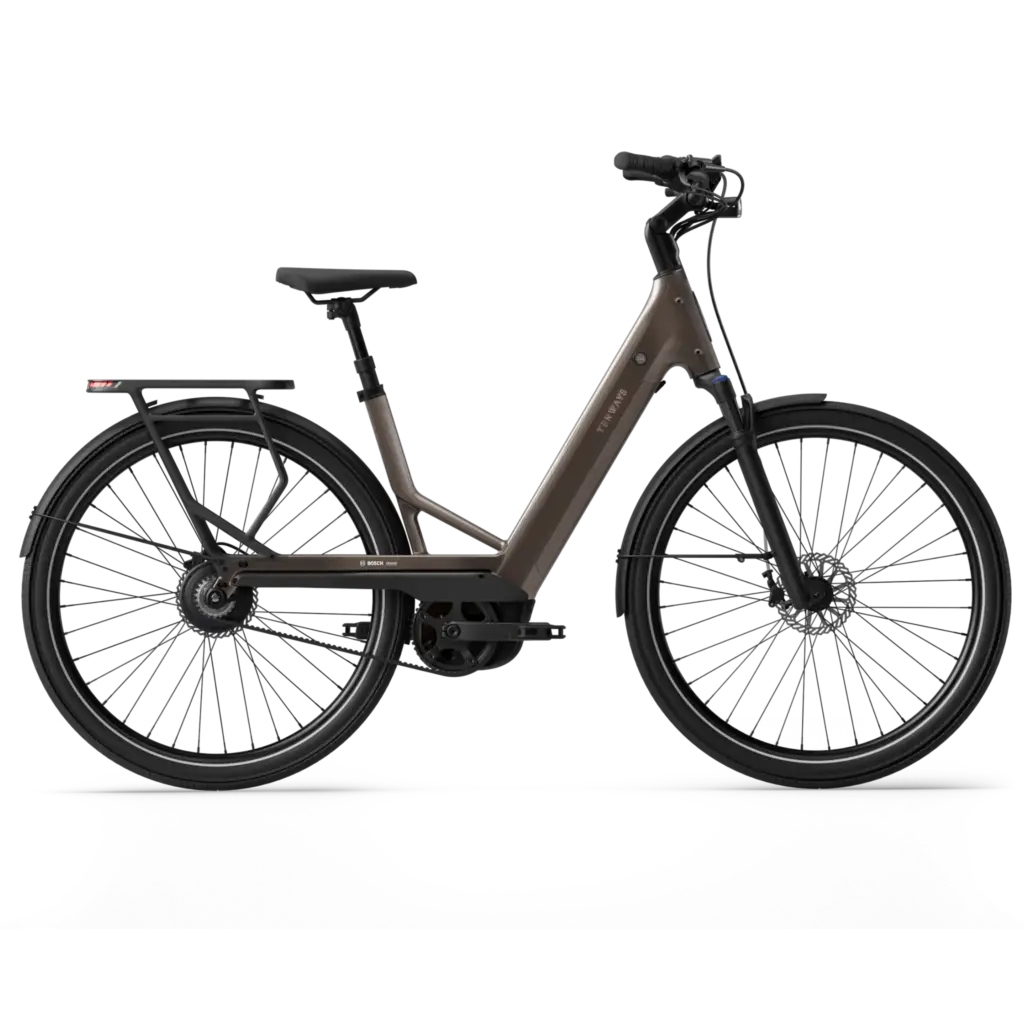
E-bike brand Tenways has introduced digital passports for its batteries, working with the Minespider platform. It is getting ahead of the rules: the EU Batteries Regulation requires that from 18 February 2027, every light means of transport battery placed on the market, a category that includes e-bikes, must be linked to a “battery passport”. Accessible via a QR code, it brings together information on the model and on the individual battery itself, including its use.
The EU Batteries Regulation states that from 18 February 2027, “each LMT battery” placed on the market, e-bike batteries included, will have its digital twin. Tenways announced, in a press release reported on 7 October by Cycling Industry News, that it has developed and implemented battery passports for its e-bikes with Minespider, a digital product and battery passport platform.
What the battery passport means for e-bikes
The legislation is Regulation (EU) 2023/1542. Its Article 77 states: “From 18 February 2027 each LMT battery”, in other words each light means of transport battery, placed on the market or put into service shall have an electronic record, the “battery passport”. The regulation cites e-bikes and e-scooters as examples of light means of transport.
The regulation specifies that this passport contains information on the battery model and information specific to each individual battery, including information resulting from its use. The text states that it is accessible “through the QR code” which links to a “unique identifier” assigned by whoever places the battery on the market. The regulation provides that consumers access it free of charge, based on defined access rights, and that the passport “shall cease to exist after the battery has been recycled”.
Tenways gets ahead of the deadline
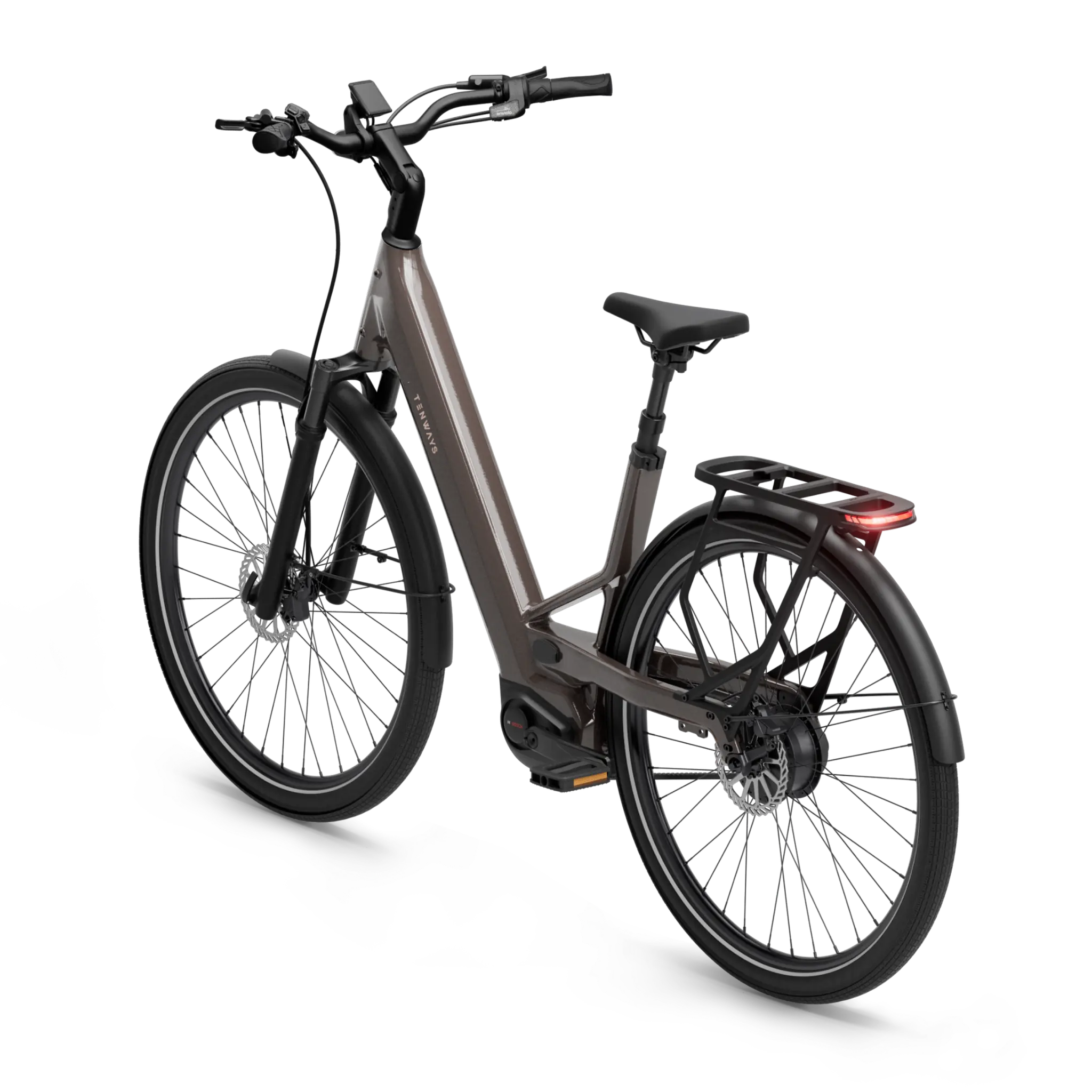
The press release presents the passport as a structured digital record that follows the battery throughout its life and makes the relevant information available to the various stakeholders, according to their access rights. By acting before the deadline, Tenways says it wants to put in place now the supplier collaboration, data structures and digital infrastructure required.
Amir Fazeli, CEO of Tenways Europe, explains the decision as follows:
“As eBike adoption continues to grow, we believe the industry also needs to become more transparent about the products and batteries behind that mobility.”
Amir Fazeli, CEO of Tenways Europe
He adds that preparing now makes it possible to approach these requirements proactively, rather than as a last-minute compliance exercise.
For Minespider, a test case
Minespider points out that light means of transport batteries fall within the “first wave” of battery passport requirements. Nathan Williams, its founder and CEO, explains that working with Tenways makes it possible to put the infrastructure into practice with a real manufacturer and to translate the requirements into a workable process. Starting early, he says, gives manufacturers time to build the right data flows and learn what works before the deadline arrives.