IN BRIEF
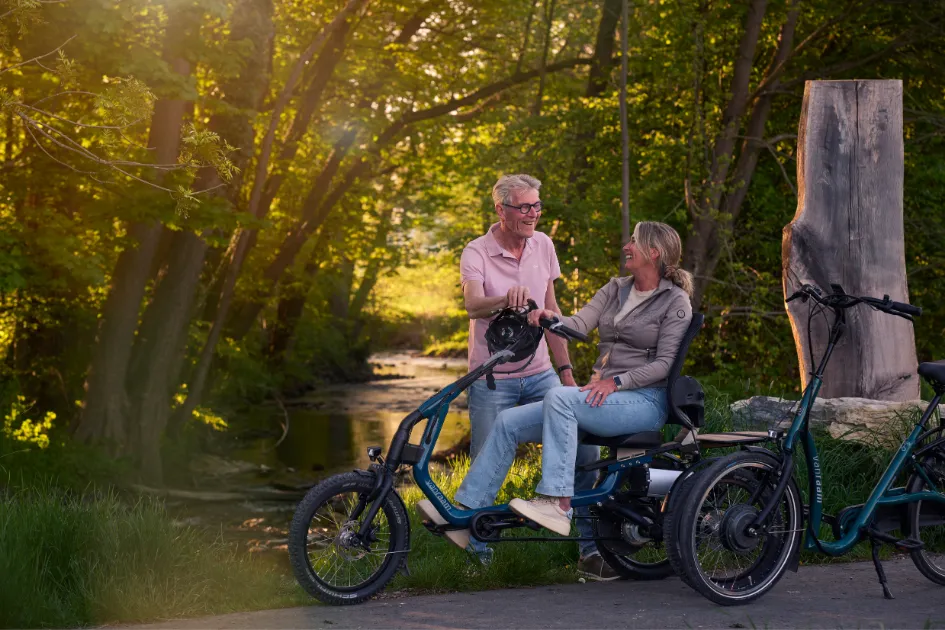
Adapted bike maker vanRaam had a survey of 846 of its users, carried out in April and May 2026, analysed. The brand says 47% feel less lonely since riding their vanRaam bike, and 69% depend less on others. Around 80% replace at least one car journey a week. The press release adds that more than 85% could not cycle without this model.
vanRaam’s press release carries a title that sets out its angle: “Cycling as a solution to loneliness”. The analysis was entrusted to the independent consultancy Value for Good, and its figures rest on what users report themselves.
Adapted bikes that break isolation
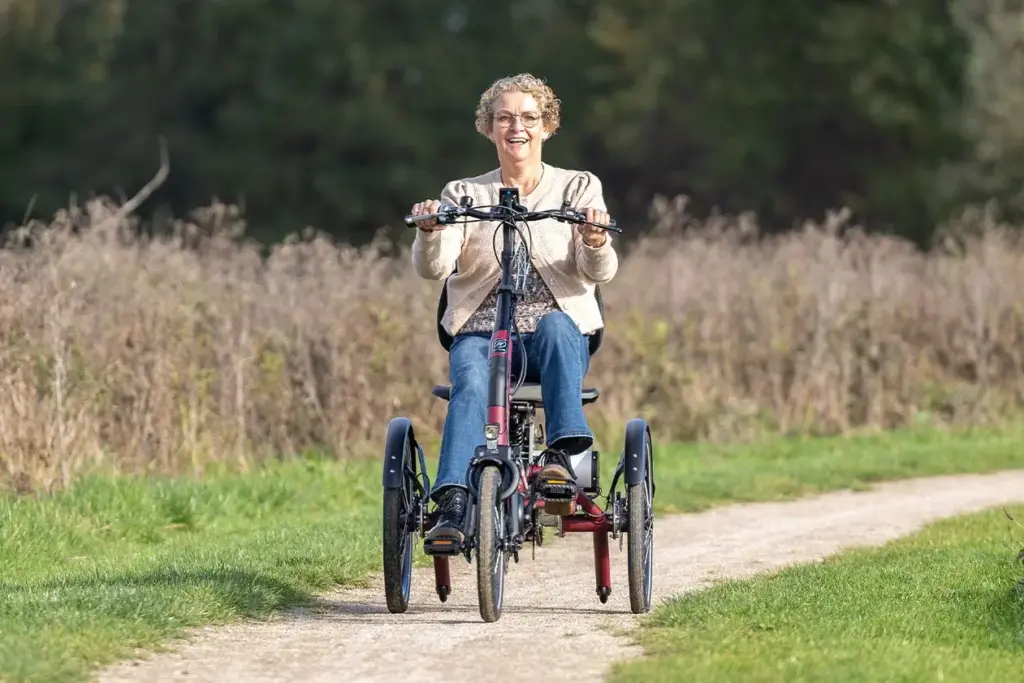
The figure highlighted on the brand’s impact page concerns loneliness: 47% of respondents feel less lonely since riding their vanRaam bike. More than seven in ten say the bike lets them feel part of everyday life again.
Independence follows the same trend. 69% of users say they rely less on others and can do more for themselves, which the company presents as a lever against isolation among older people. Finally, the press release states that more than 85% of respondents could not cycle without their adapted model.
One car journey replaced every week
Around 80% of users replace at least one car journey a week with a bike ride. On average, they ride three to four times a week, for more than 30 kilometres in total.
The study goes as far as putting a figure on the benefit to society: €47.7 million a year, linked to loneliness avoided. This amount is among the extrapolated figures, which vanRaam presents as indicative estimates rather than measured totals (details below).
A vanRaam survey to read with its limits
The survey was carried out in April and May 2026 among 846 users, and Value for Good analysed the results on behalf of vanRaam. The data are self-reported. Some of the figures are extrapolated to all of the brand’s active users, which it estimates at around 90,000 people. This is a study commissioned by the manufacturer on its own customers: it says nothing about cyclists who ride other models.