IN BRIEF
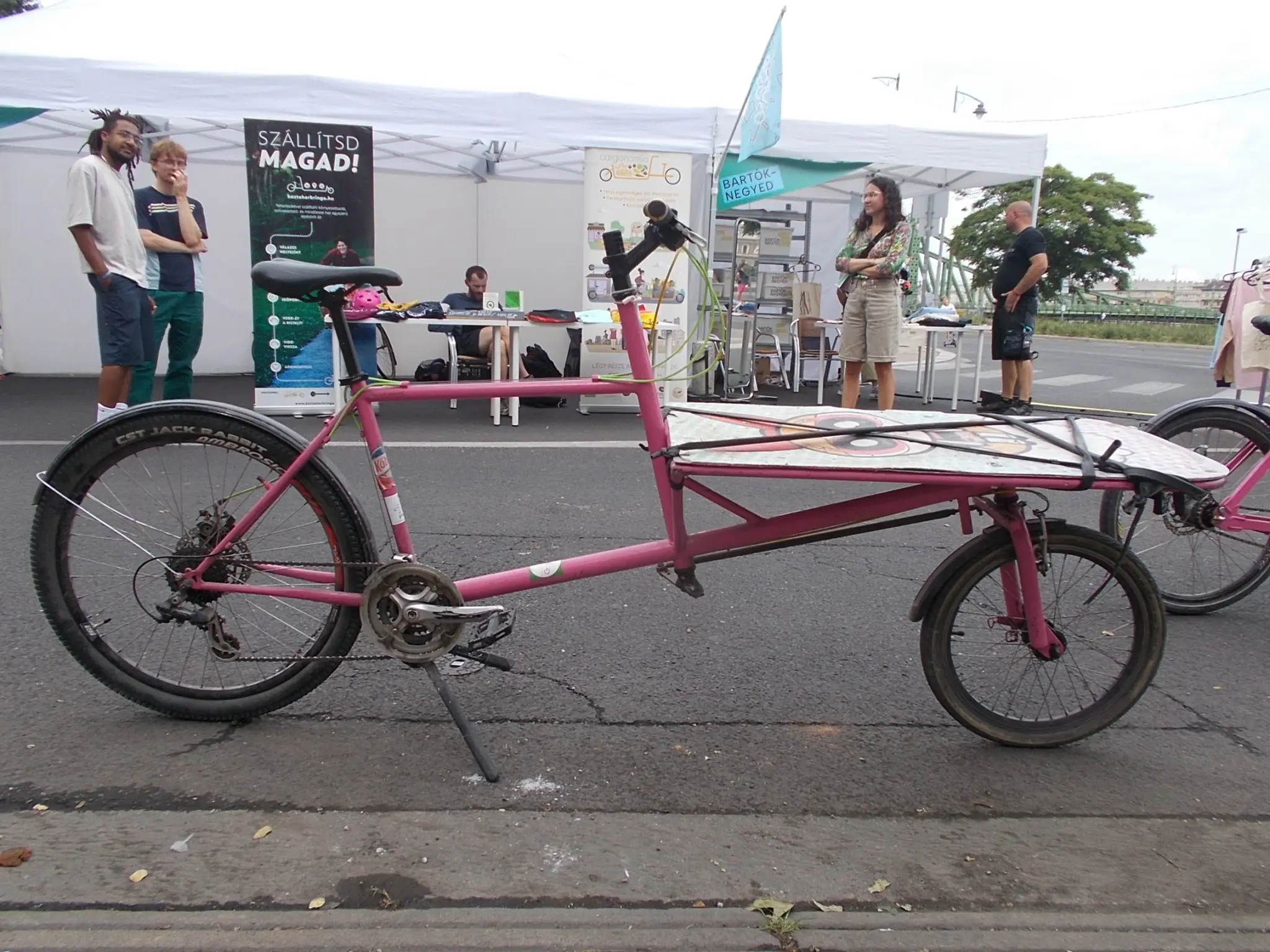
Bristol brought its traders together on 2 July at a joint event held by the city council and the Business Improvement District, called “Cargo Bikes for Businesses”, to persuade them to swap the delivery van for a cargo bike. According to the report, the city unveiled what it describes as its first consolidation hub: a point where operators are to collect, sort and consolidate goods from several suppliers before sending them out for delivery by bike. The argument put to businesses, according to Cycling Industry News, is that cargo bike deliveries are not only more predictable, but also cheaper than using a van. A local catering business gave its account: its electric vehicle was half funded by a council grant, and food damage in transit has virtually disappeared.
Convincing a trader to give up their van is not done with an environmental argument alone. It is also done with an invoice and a timetable. That is the bet Bristol made in front of its businesses, by showing them what the cargo bike gains as much as what it avoids.
Cargo bike against van: the cost argument
The event was held on Thursday 2 July — Bristol BID announced “a free dedicated day of activity on Thursday 2 July” — and was organised jointly by the city council and the Business Improvement District (BID), a partnership of city-centre businesses: according to Cycling Industry News, those attending were gathered for the “Bristol City Council and Business Improvement District (BID) joint event ‘Cargo Bikes for Businesses’”. The stated aim was to show that the switch is already happening elsewhere, and that the city intends to make it easier.
The central message, reported by the same outlet, comes down to a single sentence: “not only are cargo bike deliveries far more predictable, they are also cheaper than using a van”. More predictable, and cheaper. The honesty of the pitch lies in what it also concedes: asked whether the cargo bike is the fastest way to move goods around a city, the answer reported is “Possibly not”. What is being sold is regularity, not speed.
The distinction matters for anyone comparing delivery rounds. In a dense city centre, the unexpected weighs heavily: the traffic jam, the parking space that cannot be found, the fine. A regular round can be planned; a variable one is simply endured.
A consolidation hub to group deliveries together
The piece of infrastructure shown that day is described by Cycling Industry News as a metal box, in other words Bristol’s first “Consolidation Hub”. Its function: “operators will collect and sort goods from different suppliers, consolidate them and then send them off for delivery on cargo bikes”. Operators are to pick up goods from different suppliers there, sort them, group them together, then send them out for delivery by bike.
Holley Swanwick, a project manager at Bristol City Council, links these micro-hubs to the authority’s climate goals: they should, she says, help Bristol meet its targets for “Net Zero”.
The account that carries weight: less damage, provided the bike is serviced
One trader brought a concrete account. Chris Swift, director of Spicer & Cole, described buying an EAV (electric assisted vehicle), “50% funded by a grant from Bristol City Council” — half of it paid for by a council grant. Since then, according to the report, the company is convinced: “Food damage has virtually been eliminated during transit”, damage to foodstuffs having virtually disappeared in transit. The vehicle is also seen as a positive advertising board for the business.
One reservation came from another speaker, and it deserves to be remembered: Holy Spokes, an independent bike workshop represented at the event by Dexter Robinson, insisted on the need to service the machine regularly, “likely to keep cargo bike operation cheaper in the long run”. The savings announced are therefore not automatic — they assume a workshop, a servicing schedule, and someone to take care of it. That is precisely the job that van fleets have learned to manage over decades, and that cycle logistics has yet to build.
A final word on the status of these findings. According to the report itself, they come from a promotional event organised by the local authority and relayed by the trade press; the text says nothing about the volumes delivered or the cost per round, and reports no independent assessment.