IN BRIEF
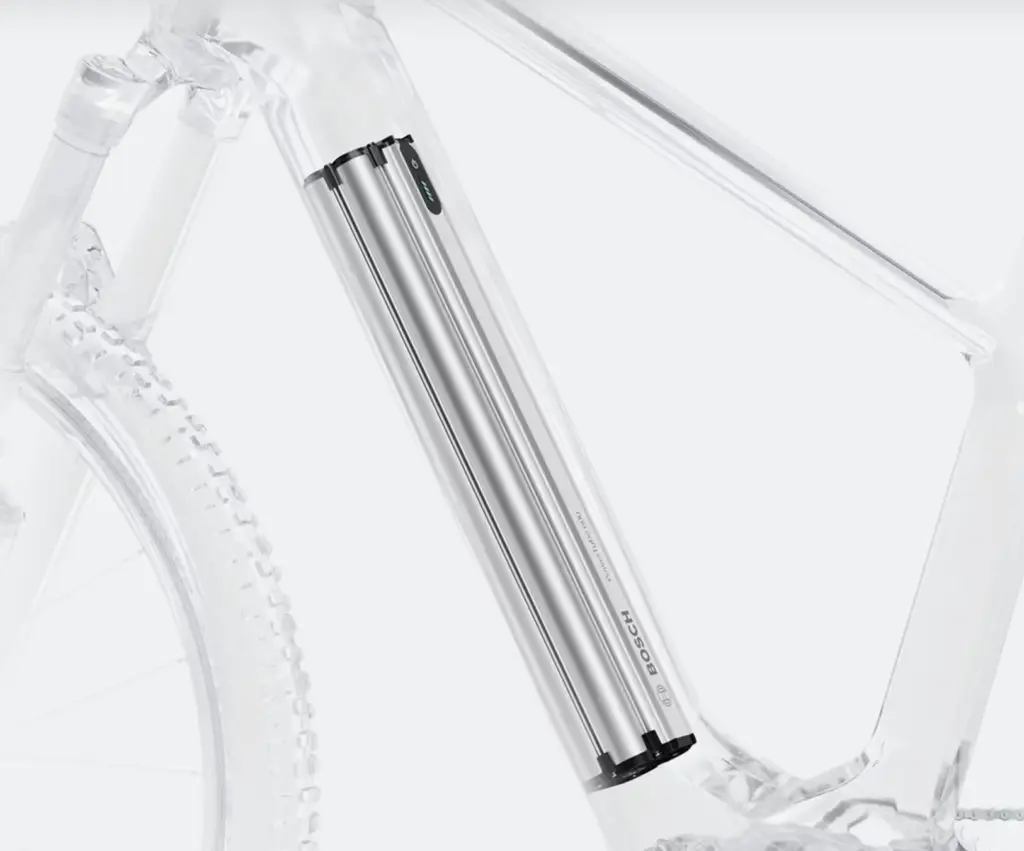
Replacing an electric bike battery often costs several hundred euros, and the proprietary systems from Bosch or Shimano lock owners into their brand’s ecosystem. European regulation 2023/1542 is set to reshuffle the deck: from February 2027, e-bike batteries will have to be removable and replaceable, and no software will be allowed to block a compatible battery. A few manufacturers, such as Canada’s ENVO, are already betting on repairable models.
Proprietary batteries priced out of reach
Replacing an electric bike battery is no small matter. On proprietary systems — Bosch, Shimano — the bill ranges from €550 to €1,200, excluding labour and shipping. Enough to approach the price of a new bike for what is simply a wear component.
And wear is inevitable. An e-bike battery lasts on average between 500 and 1,000 charge cycles, or two to five years of regular use. The day it starts to fade, the choice often comes down to paying full price for an original battery, or attempting an unofficial repair.
Repairing, yes, but not at the expense of safety
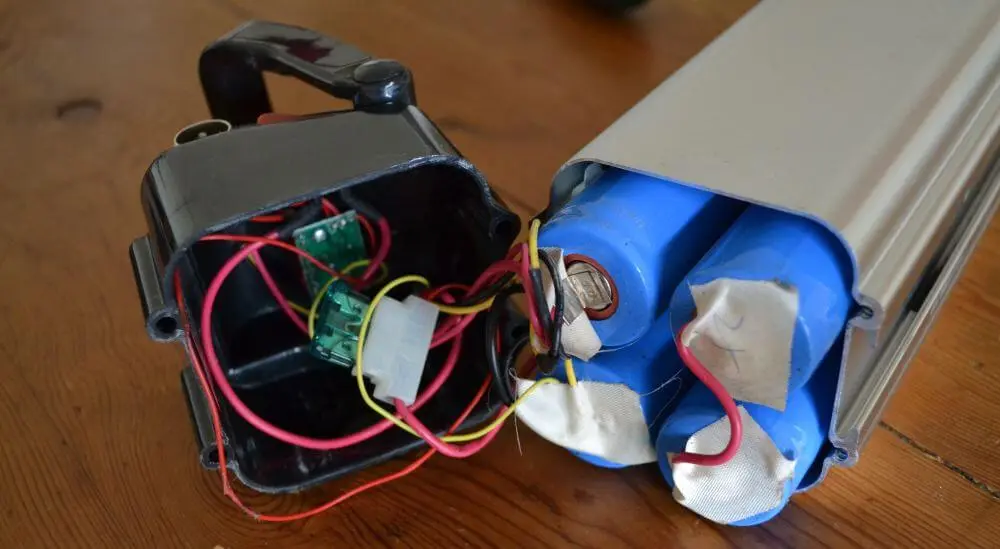
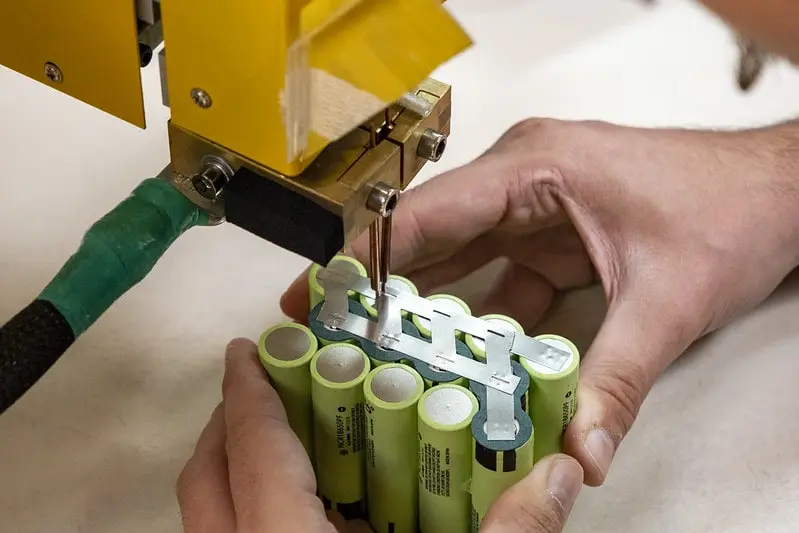
Reopening a battery to replace tired cells is far from straightforward: the operation generally voids the safety certification (UL 2849 and the like) and creates a fire risk. Yet the cells account for only a fraction of the total cost — the management electronics, for their part, are most often in perfect working order.
This is where regulation comes in. European regulation 2023/1542 will require, from 18 February 2027, that electric bike batteries be removable and replaceable by an independent professional, and no longer by the brand’s own network alone. Manufacturers will also have to supply replacement batteries for at least five years, and their software will no longer be able to prevent the installation of a compatible battery.
Alternatives already exist
Some brands have not waited for the deadline. Canada’s ENVO Drive Systems, for example, designs its bikes to accept generic UL 2849-certified batteries: proof that repairability and safety are not incompatible.
For anyone buying an e-bike today, the battery question is worth asking before signing: parts availability, replacement options, compatibility. A model designed to last often works out cheaper over the bike’s lifetime.
What it changes for cyclists
Between regulatory pressure and the arrival of brands playing the modularity card, the balance of power is shifting. North America remains behind Europe, but the movement has started: repairing your battery rather than throwing away your bike is slowly becoming a credible option.