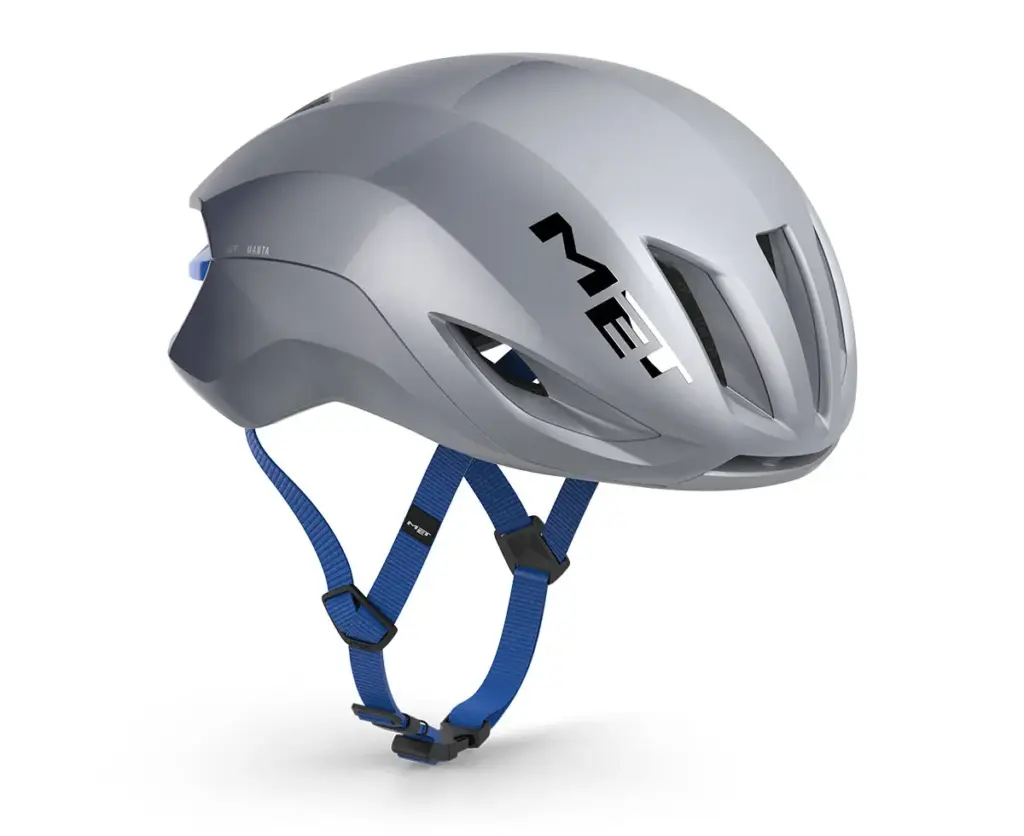
IN BRIEF
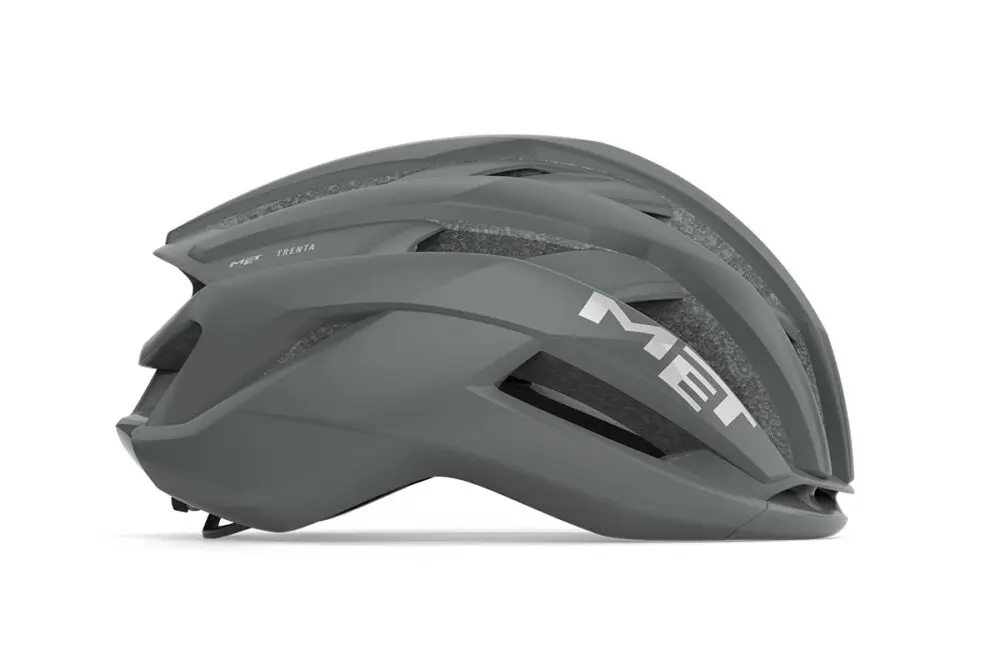
MET is renewing its aero road helmet with the Manta 3. The brand claims a 6-watt saving over the previous generation, measured in The Tube wind tunnel at 50 km/h, first on a dummy head and then with a rider. The helmet was also tested in real-world conditions, in race positions, with Tadej Pogačar. It gets Mips Air Node Pro protection, with integrated Coolmax fabric, and earns five stars in the Virginia Tech ratings.
| Use | Aero road helmet |
| Claimed aero gain | 6 watts over the previous Manta, at 50 km/h (The Tube wind tunnel) |
| Protection | Mips Air Node Pro, integrated Coolmax |
| Virginia Tech rating | 5 stars |
| Design | Double Deck rear deflectors, side vents doubling as eyewear ports |
MET Manta 3: 6 watts measured at 50 km/h
MET puts the Manta 3’s advantage over its predecessor at 6 watts. The measurement was taken in The Tube wind tunnel, at 50 km/h, first on a dummy head, then with a rider. The brand adds real-world tests carried out with Tadej Pogačar.
A 6-watt gain means this: under the test conditions, it is the power the rider would no longer have to produce to ride at the same speed with the new helmet rather than the old one.
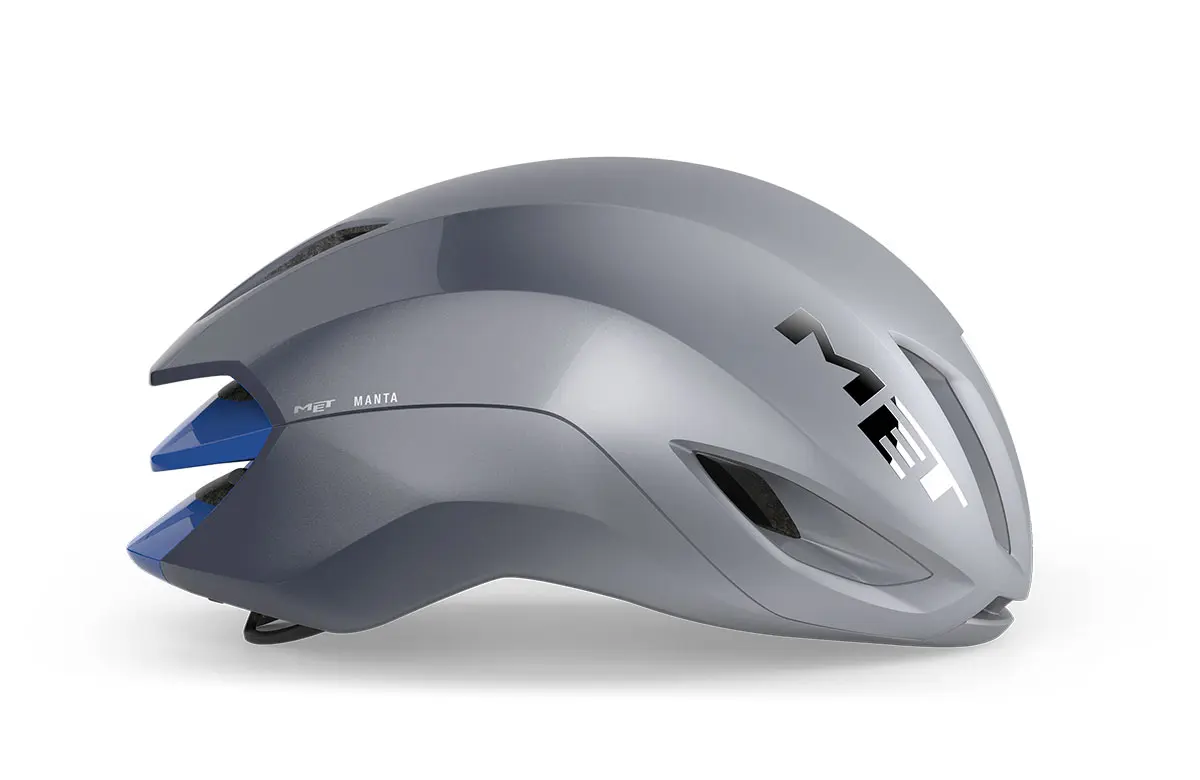
A Double Deck rear and eyewear ports
At the rear, MET has designed deflectors it calls “Double Deck”. On the sides, the vents also serve as a place to stow sunglasses when they are not being worn.
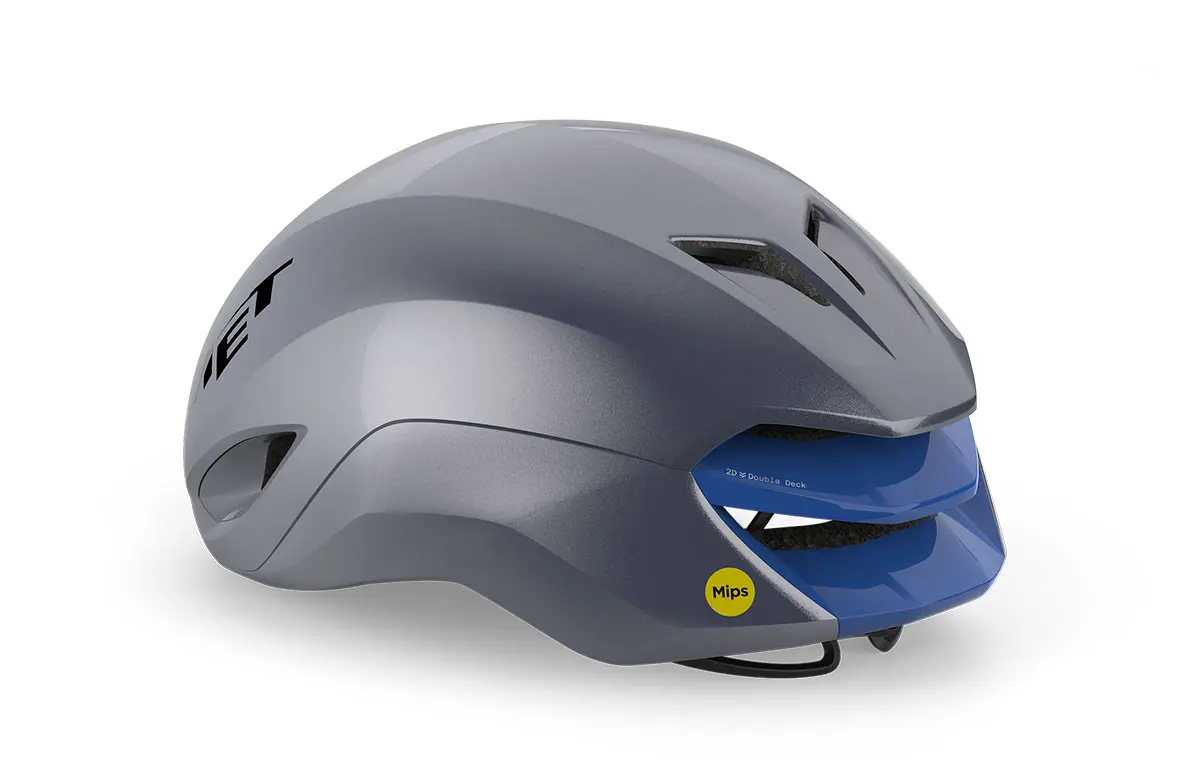
Mips Air Node Pro and five Virginia Tech stars
On the protection side, the Manta 3 uses the Mips Air Node Pro system, which incorporates Coolmax fabric. MET claims a weight of 250 g (CE, size M). The helmet is rated five stars by the laboratory at Virginia Tech, the US university that ranks bike helmets by their ability to reduce the risk of concussion.
Buying guide
Commuter bike helmets: six models compared
MET, Bern, Abus, Sweet Protection and Unit 1: lab-rated protection, lights, weight and price.