IN BRIEF
AiRO Vayu is an artificial intelligence model that predicts a cyclist’s drag in under a second, from a 3D scan of the body, the riding position and the helmet. AiRO, a US platform for aerodynamic position analysis, explains that until now each position took around six minutes of simulation; the figure now updates live during the fitting. AiRO says Vayu will arrive at its partner fitters in early November and confirms it will work with the Netcompany Ineos team in 2027.
| Tool | AiRO Vayu, AI model for aerodynamic simulation |
| Input data | 3D body scan, position, helmet |
| Computation time | under a second (around six minutes per position previously) |
| Training | more than 30,000 simulations, including around 6,900 real customer cases |
| Availability | early November 2026, at AiRO’s partner fitters |
| Price | set by each fitter |
Behind AiRO Vayu is a company based in Salt Lake City, in the United States. AiRO was founded by Ingmar Jungnickel, an aerodynamicist who led the development of the third-generation Specialized Venge. The company grew out of a similar project carried out for the US speed skating team.
AiRO Vayu: drag that updates live
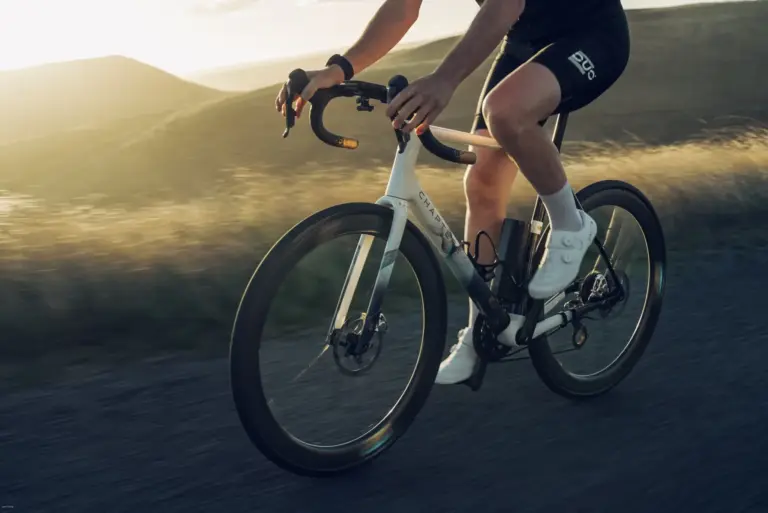
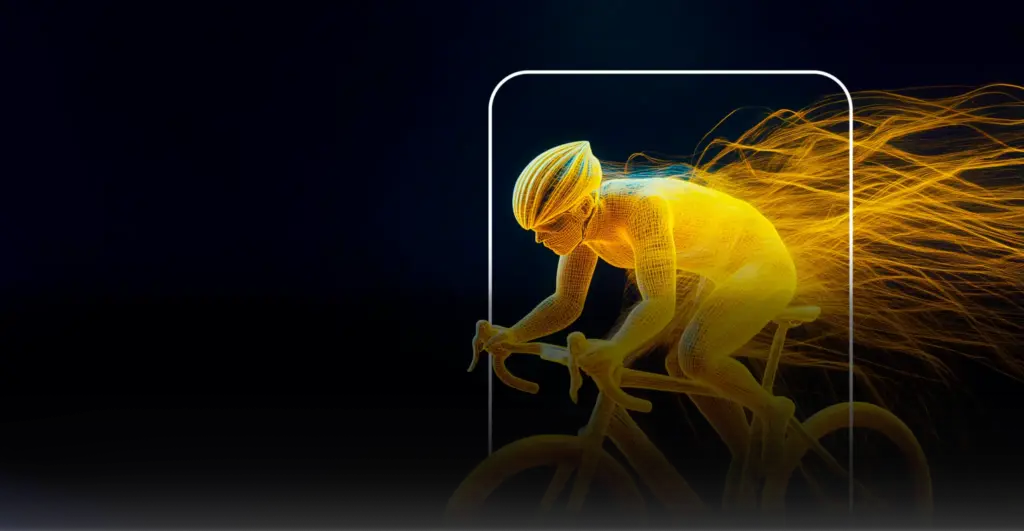
AiRO’s approach is to create a digital twin of the cyclist: photographs are turned into a 3D model, on which another helmet or another position can then be tested. AiRO states that with its previous platform, each position required a separate computational fluid dynamics simulation, and around six minutes to get the final analysis. With Vayu, the fitter moves the rider and sees the drag figure change on screen. A second function tests more than 100 small position variations (arms, head, shoulders) in one go and ranks them by potential gain.
Ingmar Jungnickel, founder and CEO of AiRO, sums up the change as follows:
“AiRO has already made aerodynamic analysis available to riders in a way that simply wasn’t practical before. Now, instead of waiting minutes for each answer, a fitter can move the rider and see the aerodynamic consequence almost instantly.”
Ingmar Jungnickel, founder and CEO of AiRO
Claimed accuracy of around 1% drag
AiRO says its model was trained on more than 30,000 simulations, including around 6,900 real customer cases from more than 130 fitters in 26 countries. AiRO states that, in its trials, Vayu identified the faster of two positions in 97 out of 101 tests, distinguishing differences of around 1% in drag. On swaps between certified helmets, AiRO says it picked the faster one 72 times out of 74, and that its two errors involved differences of less than 1.5%.
AiRO announces the rollout of Vayu in early November 2026 at its partner fitters, of which there are 133 worldwide. The price of a session is set by each of them.
Netcompany Ineos signs up for 2027
AiRO confirms it will work with the Netcompany Ineos team in 2027 on its aerodynamic testing. The terms of the agreement had not been made public at the time of the announcement. Ingmar Jungnickel expects the British team to use the tool alongside real wind tunnel testing.