IN BRIEF
Swedish group Thule has acquired Aeroe, a New Zealand company that makes racks and bikepacking bags. Aeroe products, which Thule is aiming at mountain biking and gravel, are due to be relaunched under the Thule brand in the second quarter of 2027, with a global launch. They complement the Thule Tour Rack. Aeroe was founded by Pat Maguire, who was already behind the Freeload rack, the rights to which Thule acquired in 2012.
Thule buys Aeroe and its universal racks
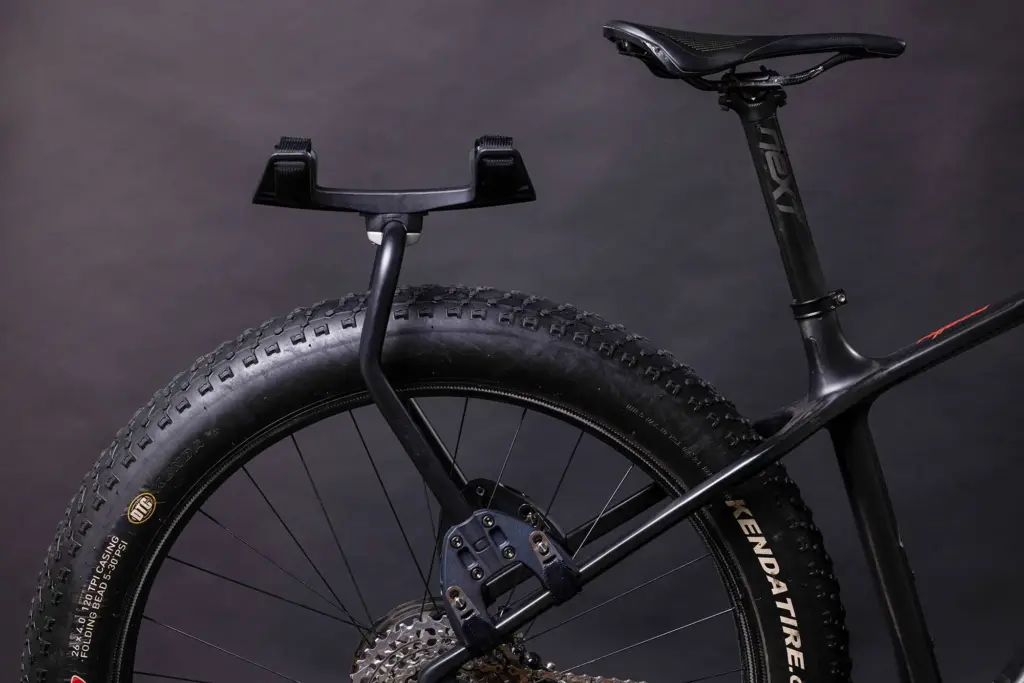
Aeroe makes rack-mounted bags and carrying systems for bikepacking. Its range is built around the Spider racks, for the rear, the front or wide tyres. The rack serves as a base and takes a cradle that holds a dry bag or a tent, on top or on the sides, with up to three cradles in total. Everything is tightened with integrated straps, with no mounting kit and no attachment to the wheel axle.
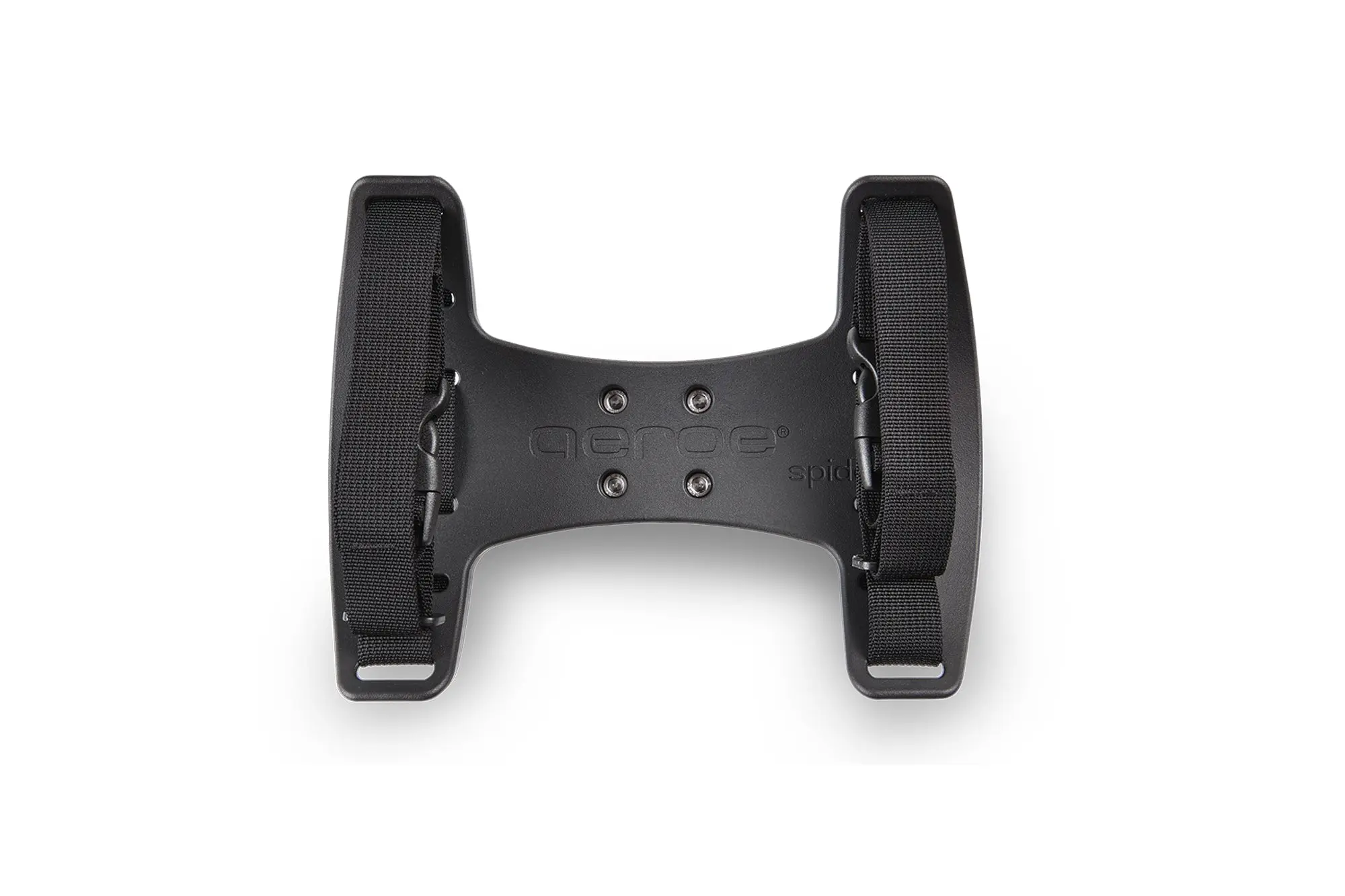
The brand highlights compatibility: full suspension, a dropper seatpost or a small frame are not a problem, Aeroe states on its website. Aeroe also claims several design and innovation awards for its Spider rear rack, its handlebar cradle and its quick mounts. Thule announces mounts that fit almost any frame, and wants to add this approach to its own range for mountain biking and gravel.
At Thule, the deal is presented as an extension of the existing offer:
“The Aeroe system is a natural extension of the Thule bike bags portfolio, opening up new possibilities for the MTB and gravel communities.”
Baptiste Chaussignand of Thule
Under the Thule brand in spring 2027
Aeroe’s racks and bags are due to move entirely under the Thule brand from the second quarter of 2027, with a global launch planned at that point. Thule pairs them with its Tour Rack, a rack already in its catalogue.
The story has a sense of déjà vu. Aeroe, based in Nelson and Dunedin, was founded by Pat Maguire, the creator of the Freeload rack. Freeload, a design company based in Dunedin and founded in 2007, had designed a fully adjustable rack. In 2012, Thule acquired the rights to it. The Swedish group is therefore buying a second idea from the same New Zealand inventor.