IN BRIEF
When publishing its half-year results, Shimano announced a price increase on its components from August. The Japanese manufacturer puts the extra costs expected over the financial year at 4 billion yen, which it attributes to soaring raw material prices and to the price rises demanded by its suppliers. The increase is only meant to offset part of them: around 2 billion yen of additional revenue in the second half. Set against the bike division’s expected sales, that sum would represent a little under 1% — an order of magnitude calculated by the American trade press, the announcement saying nothing about the rate applied. The amounts published are in yen; nor does the announcement say anything about a figure in euros.
| Extra costs announced | 4 billion yen estimated over the full financial year |
| Offset through prices | Around 2 billion yen of extra revenue in the second half |
| In force from | August 2026 |
| Group sales, 1st half | 247.059 billion yen, up 4.1% |
| Group operating profit | 27.249 billion yen, down 3.1% |
| Bike division, 1st half | 181.379 billion yen in sales |
| Bike division operating profit | 20.064 billion yen, down 15% |
The news came in an accounting document rather than a product press release. When presenting its half-year accounts, Shimano said it would raise the price of its components from August. The reason takes two lines: the cost of raw materials and the increases demanded by its own suppliers.
Four billion in extra costs, two billion passed on
According to the published documents, the manufacturer puts the bill at 4 billion yen over its full financial year. The price increase, for its part, is expected to bring in around 2 billion yen of additional revenue in the second half. In other words, Shimano intends to pass on only part of what it is facing, and to absorb the rest.
The announcement says nothing about the exact size of the increase per product. By setting those 2 billion against the bike division’s expected sales over the period, the American trade press arrives at an order of magnitude of a little under 1%. That figure is a journalist’s calculation, not a statement from the manufacturer: Shimano speaks of an increase without giving the rate.
A half year up, a bike division down
The financial context sheds light on the decision. Over the first half, the group reports 247.059 billion yen in sales, up 4.1%, but an operating profit down 3.1%, at 27.249 billion. The overall performance owes a great deal to fishing, Shimano’s other historic business.
Bikes, on the other hand, are struggling. The division posted 181.379 billion yen in sales over the half year, for an operating profit of 20.064 billion, down 15%. It is this division that uses the aluminium and the metals whose prices weigh on costs — and it is this division, not fishing, that the price increase concerns.
What we still don’t know
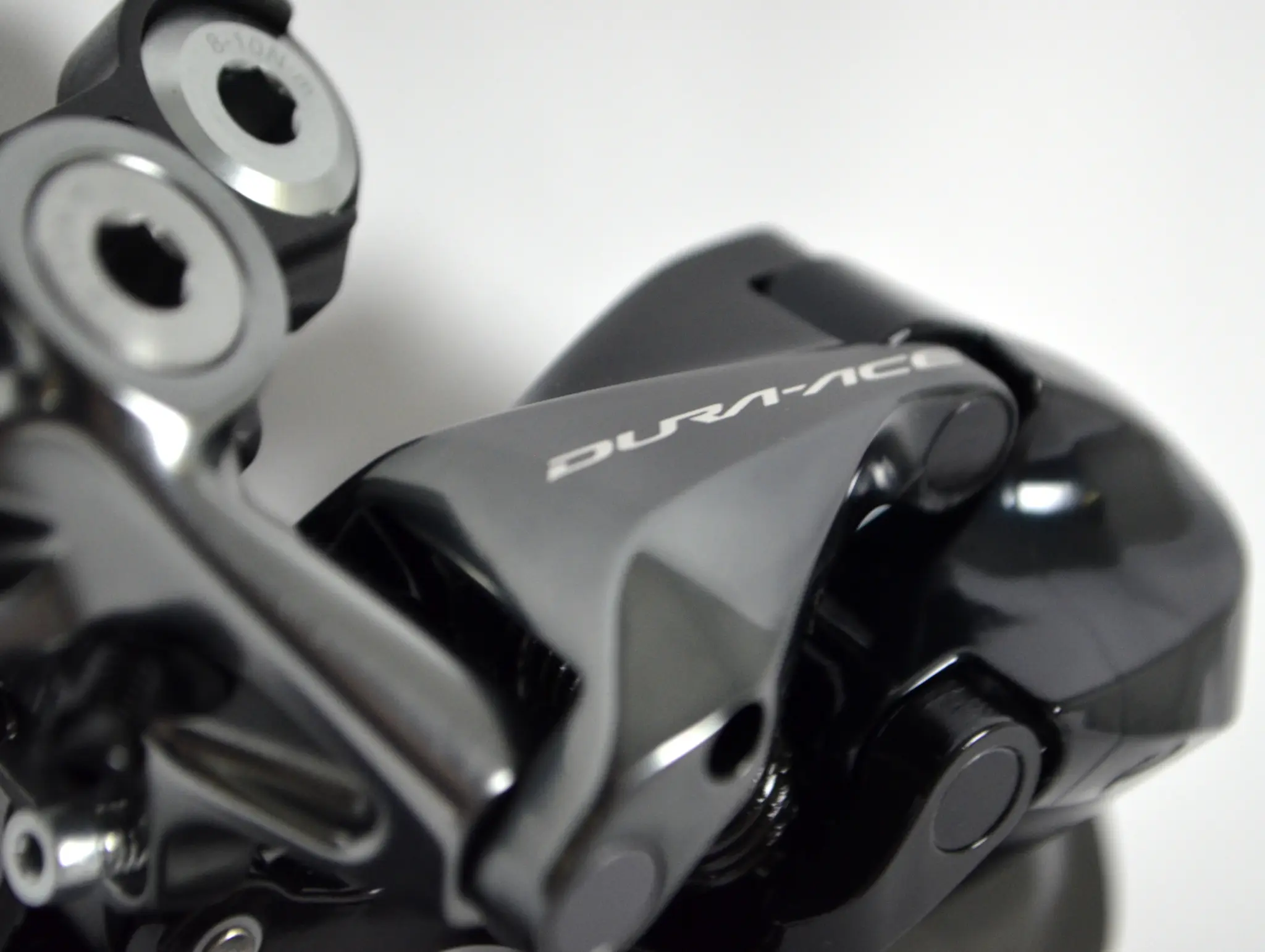
Three unknowns remain for a European buyer. The rate applied by range is not public: nothing indicates whether a Dura-Ace groupset and a Deore derailleur will move in the same way. Nor is the timetable for passing it on: between a price rise decided in Japan and the label in a French shop, there are stocks, distribution contracts and currencies.
Finally, no figure in euros accompanies the announcement. The amounts published are in yen, set against a Japanese financial year. For the cyclist, the concrete consequence will show up later, in the autumn price lists — and probably on spare parts first, before complete bikes already in the catalogue.