IN BRIEF
The Alliance pour le vélo and the Association des acteurs du vélo public, two French cycling bodies, recommend against a blanket helmet requirement for adult cyclists, and want powered personal mobility devices treated separately. According to their text, a helmet cuts the risk of serious head injury in a fall by around 69%, but does not reduce the risk of a collision with a motor vehicle. The position names public bikes as, in its words, “the segment most exposed to the deterrent effect of a helmet requirement”, and notes that the schemes trialled in Melbourne, Brisbane, Vancouver and Boston have, it says, failed or plateaued.
Mandatory helmets come back round periodically in French public debate. The question has now received a collective answer from the industry, published on 10 September 2026 by Réseau vélo et marche, France’s cycling and walking network, in the form of a joint position whose title already says the essence of it: “Wearing a cycle helmet: obviously recommended, but not mandatory”. Beyond the refusal, it is the figures it lines up in support that are worth reading.
The timetable is not that of a parliamentary debate: according to the text, “the question is not a legislative one today: the bill tabled in September 2025 remains in committee, and the route chosen is that of a decree issued after review by the Conseil d’État, preceded by a referral to the road safety directorate (Délégation à la sécurité routière) and a consultation of the sector’s stakeholders”.
Helmets protect, but they do not reduce the danger
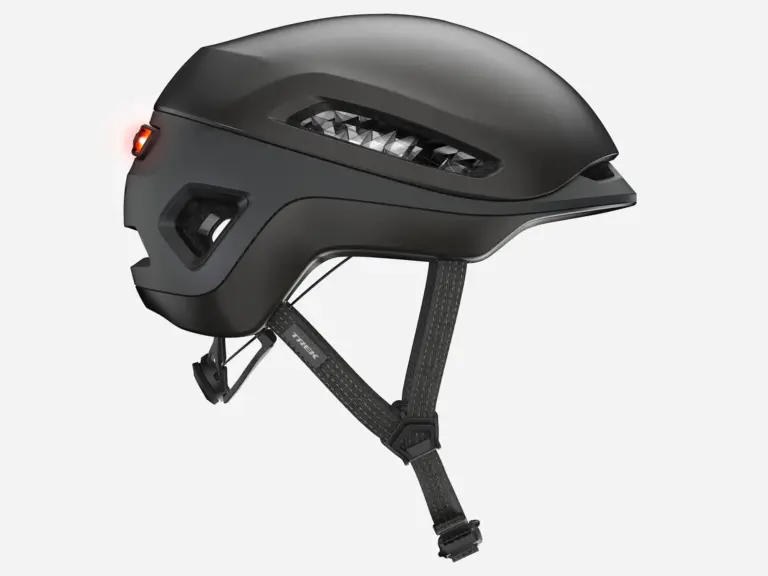
The position does not dispute that helmets work, and says so up front: according to the text, in a fall a helmet cuts the risk of serious head injury by around 69% and of facial injury by 33%, whatever the rider’s age, and more markedly still in high-risk situations. The argument lies elsewhere. According to the same source, “a helmet is certainly a useful form of personal protection against certain head injuries, but it does not reduce the risk of a collision with a motor vehicle”.
Hence the recommendation: according to the text, the Alliance pour le vélo and the Association des acteurs du vélo public call for no blanket requirement for adult cyclists, and for the case of powered personal mobility devices to be handled separately, since that is where the rise in crashes is concentrated, they write. They point out that in Paris and the inner suburbs, helmets have been mandatory on those machines since 7 August 2026.
The state of the law serves as a backdrop. According to the text, wearing a helmet is recommended but not mandatory for adults in France; only children under 12 are required to wear one, whether riding or being carried, under article R. 431-1-3 of France’s highway code, with a breach exposing the accompanying adult to a fixed fine of €135, which can rise to €750.
Helmets and bike-share, the sticking point
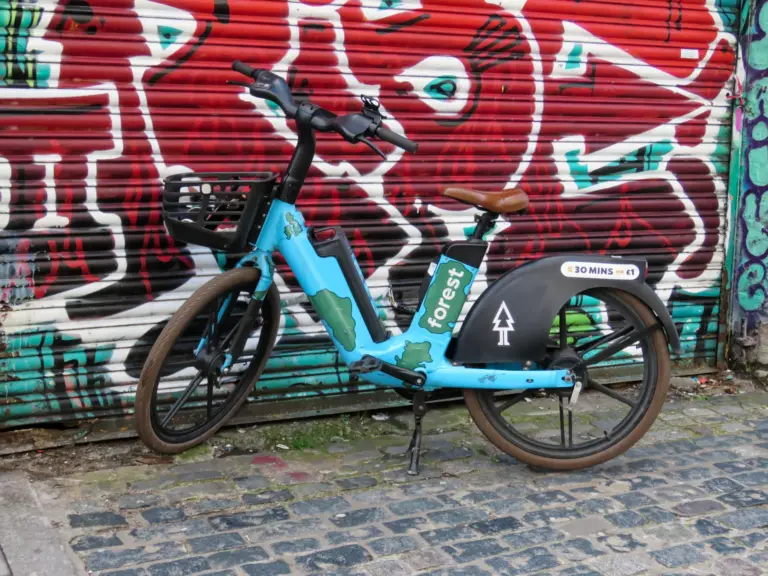
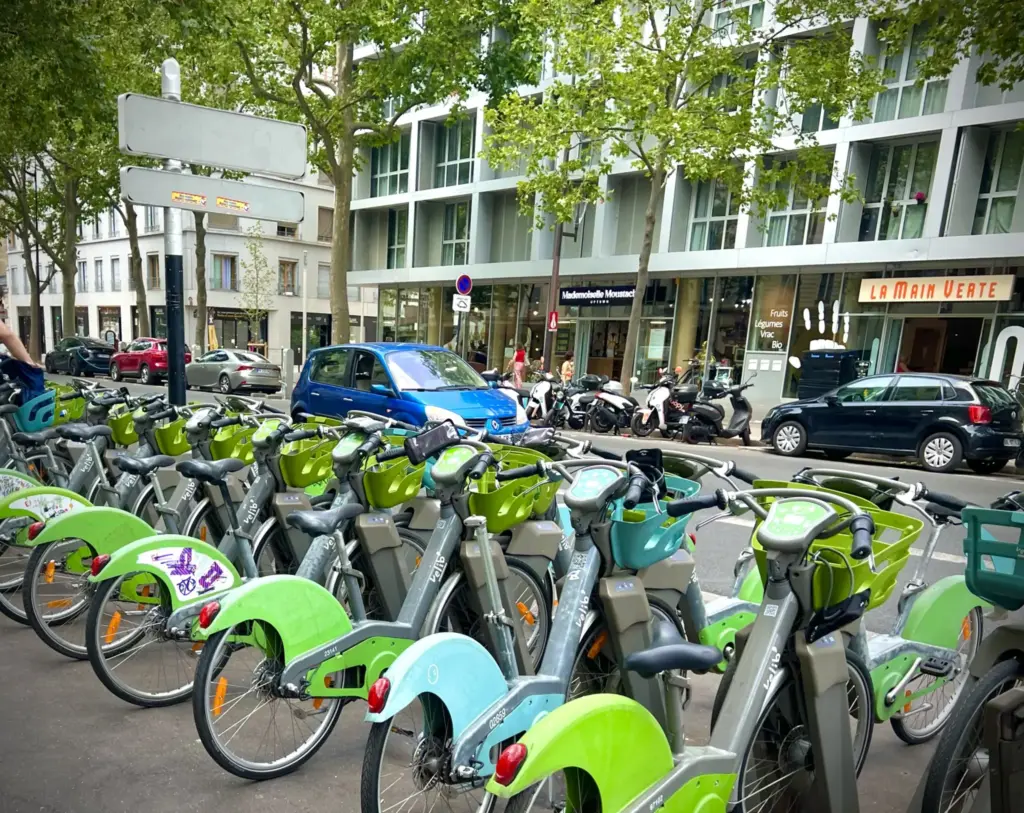
This is where the position becomes concrete. In its view, public bikes — bike-share and long-term hire — are “the segment most exposed to the deterrent effect of a helmet requirement”, because they are “designed for short and often unplanned journeys, by users who do not have a helmet with them”. Put another way: you take a shared bike because it is there, not because you had planned to ride.
Against that difficulty the associations set an international record. According to the text, “every scheme trialled in a mandatory-helmet area has failed or plateaued”: heavily subsidised disposable helmets in Melbourne, reusable helmets attached to the bikes in Brisbane — most of which, they write, were lost or stolen — and connected vending machines in Vancouver and Boston, which never got beyond the exception. They also cite the Netherlands and Denmark, which they say impose nothing.
A third of French cyclists always wear a helmet
According to the survey on cycling use in 2024 by the DGITM, France’s transport directorate, quoted in the text, “a third of cyclists always wear a helmet, a third sometimes and a third never (32.9%, 30.8% and 36.2%)”. The 18-24 age group are, according to that same survey, the ones who wear it least consistently, at 24%.
The method proposed for raising that rate runs through habit rather than law. The associations argue, according to the text, for “a policy combining safe infrastructure, effective prevention, training and the gradual development of a social norm favourable to the helmet”, by making it standard in supervised and beginner settings — associations, cycle schools, the Savoir Rouler à Vélo programme, school outings, clubs, mountain biking and gravel. The text notes in passing that “sports federations make helmets mandatory for competition and all supervised activities”.