IN BRIEF
Shimano has announced Dynalast 2.0, the new generation of the last on which the Japanese manufacturer has built its high-end shoes for more than ten years. The stated principle: hold the foot better while letting the forefoot splay more naturally under pedalling load. Above all, the platform now comes in three dedicated widths — Narrow, Standard and Wide. According to the press release, in size 43 the Standard last gains around 4% more volume in the toe box, and the toe box of the Wide becomes around 6 mm wider than on the previous Wide, for around 7% more volume in the toe box. Shimano is targeting riders who until now went up a size in order to gain width.
| Type | Shoe design platform (last), not a model |
| Widths | Narrow, Standard and Wide |
| Standard last | Around 4% more volume in the toe box (size 43) |
| Wide last | Toe box around 6 mm wider than the previous size 43 Wide, around 7% more volume |
| Narrow last | Reduced overall volume |
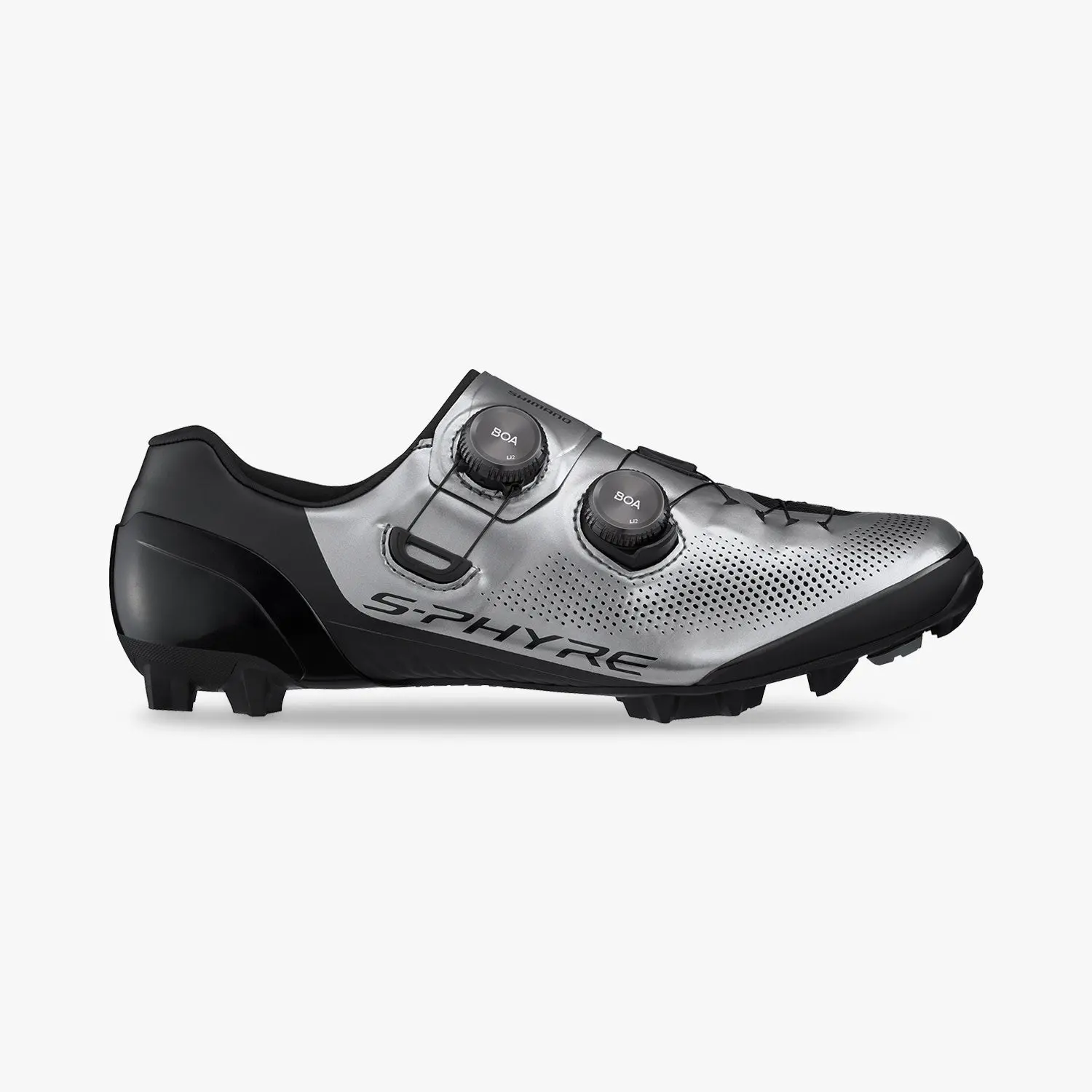
| Ranges concerned | High-end road, gravel and cross-country shoes |
| Design method | Hundreds of 3D foot scans, pressure mapping, biomechanical analysis |
A cycling shoe is chosen by its length, and width follows as best it can. Generations of wide-footed riders have dealt with the problem by going up a size: more room up front, but support that shifts. That is exactly the trade-off Shimano says it wants to do away with using Dynalast 2.0.
Dynalast 2.0: one last, three widths
The name refers to a last, that is to say the mould around which a shoe is built. Shimano presents Dynalast 2.0 as “the next evolution of its proven cycling shoe design platform”. The first version, the press release states, has served as the basis for the brand’s high-end road, gravel and cross-country shoes for more than a decade.
What is new is the multiplication. According to the press release, “the new dedicated Narrow, Standard and Wide lasts deliver a more precise fit across a wider range of foot shapes”. Where the catalogue used to set a regular width against a wide version, three distinct moulds now coexist.
What wide feet gain, in size 43
The differences are quantified, and Shimano refers them all to a single reference size: 43. In that size, the Standard last offers “around 4% more volume in the toe box”, while keeping comparable hold at the midfoot and the heel. The Wide last, for its part, has a “toe box around 6 mm wider than the previous size 43 Wide”, for around 7% more volume. The German specialist press reports the same figures, without specifying a reference size.
The intended benefit is explicit. For riders who went up in size in order to gain forefoot width, Shimano writes, Dynalast 2.0 “may allow them to return to a shorter shoe length, better suited to the actual size of their foot”. In other words: no longer paying in support for what is gained in comfort.
A narrow last that replaces the “women’s model” logic
The third mould is worth pausing on. According to the press release, the Narrow last “is ideal for riders who previously used Shimano’s women’s-specific models, or for those seeking a lower-volume fit”. The brand is therefore shifting a criterion of gender towards a criterion of anatomy — a slim foot is a slim foot, whichever aisle of the shop it comes from.
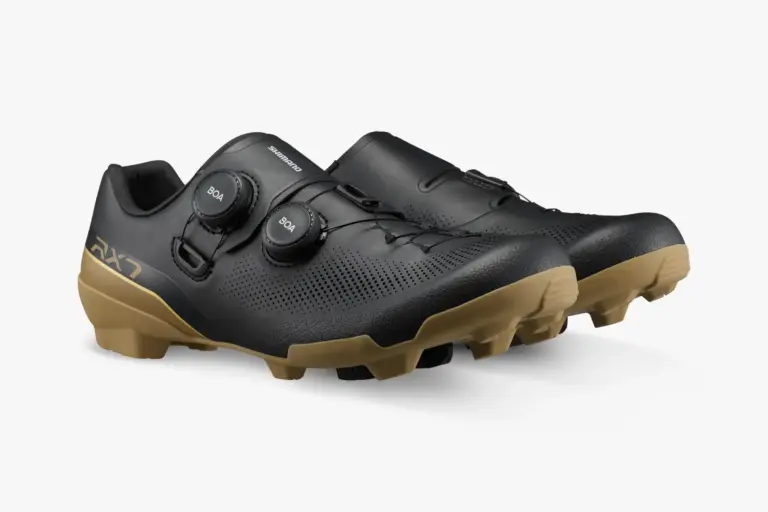
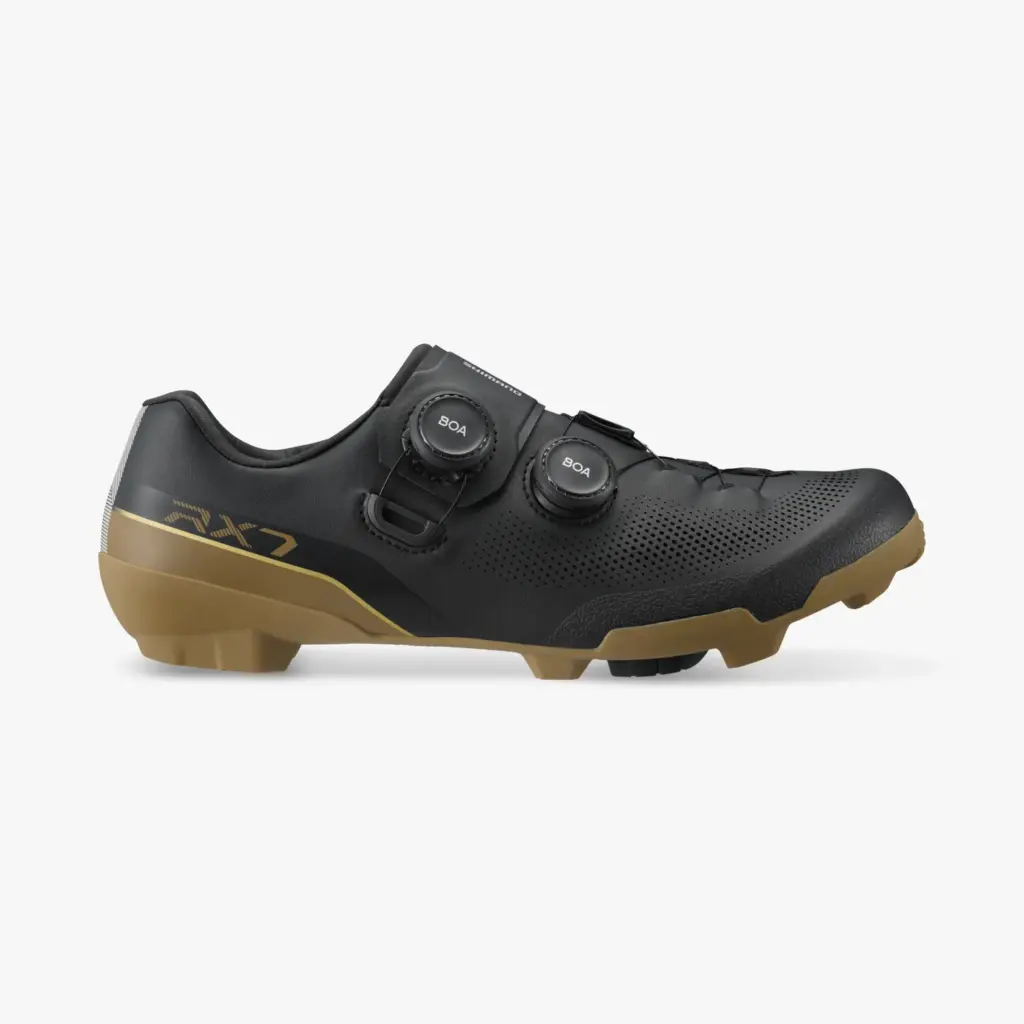
The work draws, according to Shimano, on “hundreds of three-dimensional foot scans, pressure mapping and biomechanical analysis”. The press release names no shoe model, and mentions neither price nor availability date; the German specialist press states only that the technology is found in the brand’s high-end gravel, XC and road shoes. The platform already equips a shoe on sale: Shimano presents its SH-RX710 gravel shoe, listed on its official store since 23 July 2026, as built on the Dynalast 2.0 fit platform.