IN BRIEF
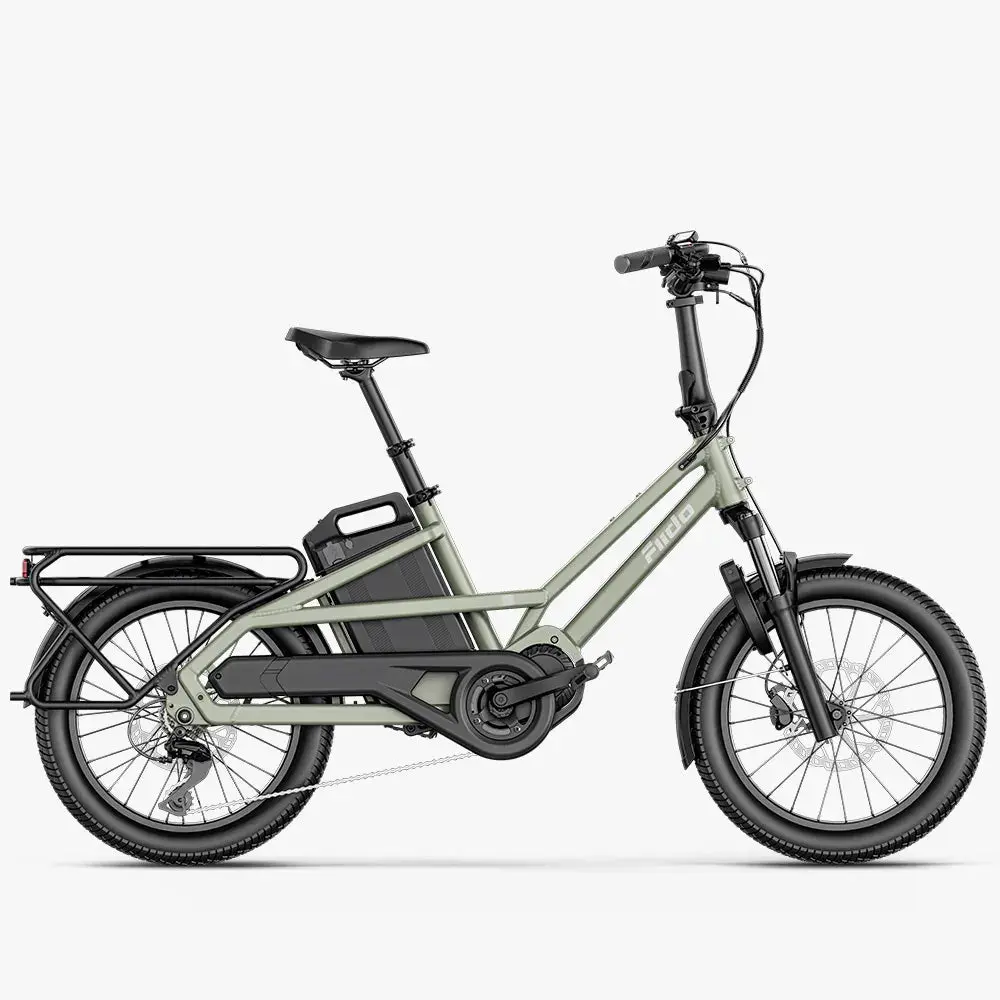
Fiido is launching the T3, an electric longtail cargo bike whose European version is assembled and tested in France. It uses a 100 Nm mid-drive motor and a removable 972 Wh battery for a claimed 120 km of range. Payload of 150 kg, IP54 rating, S-Ride 9-speed drivetrain. Price: €1,899. The T3 Max version stretches capability to 200 kg of payload and 200 km with a dual-battery setup (€2,999).
| Motor | 250 W mid-drive |
| Torque | 100 Nm |
| Sensor | Torque sensor |
| Battery | 972 Wh (removable) |
| Range | 120 km |
| Payload | 150 kg |
| Weight | 33 kg (battery included) |
| Drivetrain | S-Ride 9-speed |
| Suspension | 70 mm |
| Brakes | 4-piston hydraulic |
| Tyres | CST 20 × 2.4″ |
| Water resistance | IP54 |
| Assembly | France (European units) |
| Price | 1 899 € |
Fiido is a Chinese brand known for its affordable folding and cargo bikes. With the T3, it moves up a level: not only a full-size longtail with a 100 Nm mid-drive motor and a 972 Wh battery, but also a production process reworked on the European side. Units intended for the European market are assembled, tested and quality-checked in France.
Assembly in France, an industrial bet
In a blog post published on 23 June 2026, Fiido explains why it set up production capacity in France for the European versions of the T3 and T3 Max. This means final assembly, real-world road testing and quality control (tightening torque, water resistance) — not building components from scratch. The brand is explicit about it: “this wasn’t simply to add a “Made in France” label”. The origin of the components themselves remains unspecified.
In practice, this brings after-sales service closer, shortens delivery times and allows testing in real conditions on European roads. For a brand that has faced criticism over the quality of its after-sales service outside Asia, that is a significant selling point — provided the commitments hold over time.
972 Wh removable and 100 Nm for an everyday cargo bike
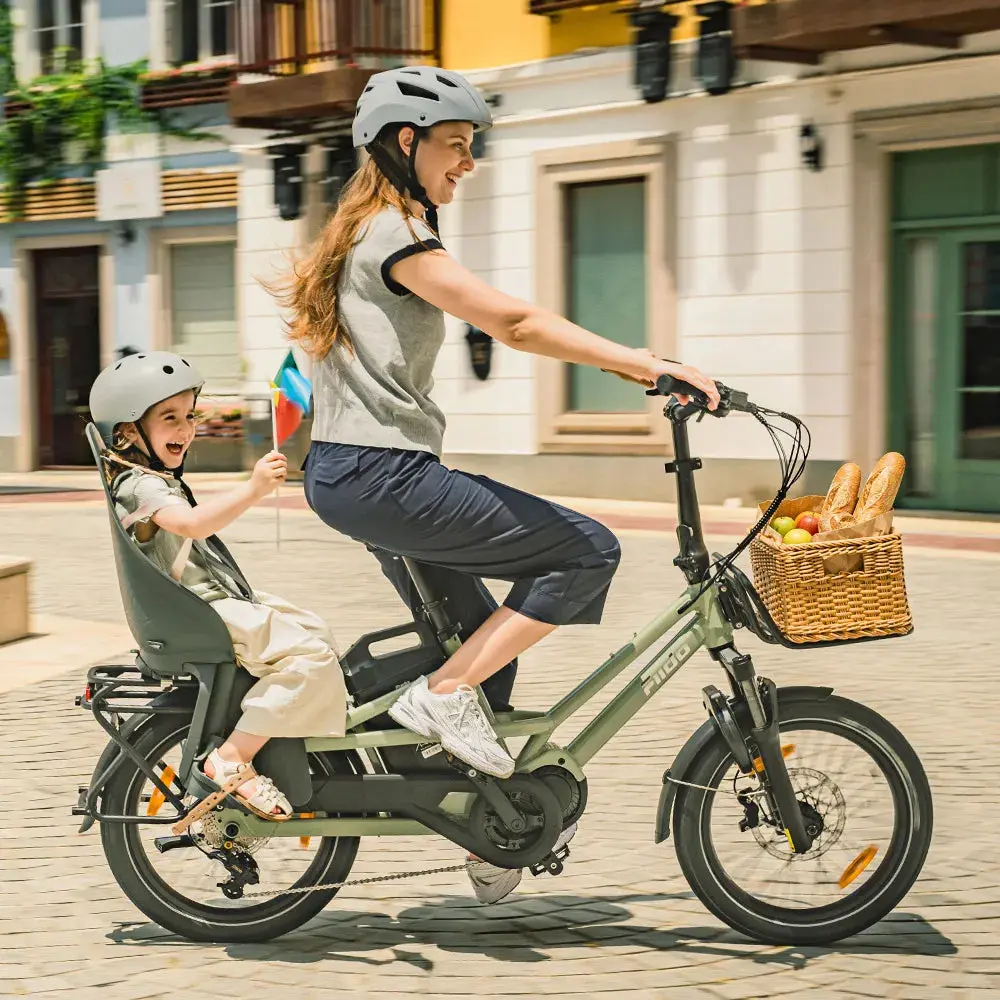
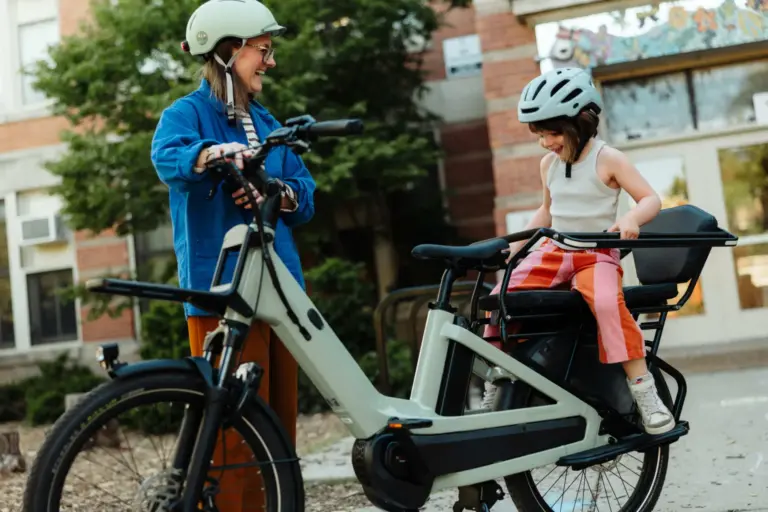
The T3 is a longtail: the extended rear rack can take up to 150 kg in total (rider plus load). The 972 Wh battery is removable — useful for charging it without having to bring the bike next to a socket. With a claimed 120 km, it covers everyday use with a comfortable margin.
The mid-drive motor delivers 100 Nm of torque, managed by a torque sensor (rather than a cadence sensor) for smoother assistance. The 9-speed S-Ride drivetrain is a common solution on cargo bikes at this price. The 70 mm suspension fork and the 4-piston hydraulic brakes round out a coherent package for loaded urban transport.
The T3 Max, up to 200 kg and 200 km
The T3 Max version pushes the limits. In its dual-battery configuration — an integrated 648 Wh unit plus the T3’s 972 Wh battery as an extension (the two are interchangeable) — it totals 1,620 Wh for a claimed 200 km of range and accepts a 200 kg payload. The standard T3 Max version carries 648 Wh for €2,299. The dual-battery configuration is offered at €2,999.
At €1,899 for the basic T3, Fiido positions itself below traditional European longtail cargo bikes (Urban Arrow, Tern GSD, Riese & Müller Packster, generally between €3,000 and €7,000). The origin of the components and long-term durability remain the usual unknowns at this price point.