IN BRIEF
In the first quarter of 2026, China fell below the 50% mark of bicycles imported into the United States for the first time: 960,468 units, or 48.5% of the market, down 42% year on year. It remains the leading supplier, but its slide is benefiting Cambodia, which climbs to around 20% and establishes itself as the second country of origin. The reason: effective tariffs of more than 50% on Chinese bikes, against less than 30% for Cambodia. The market itself is not growing — volumes are contracting and exporters are fighting over falling demand.
China’s historic decline
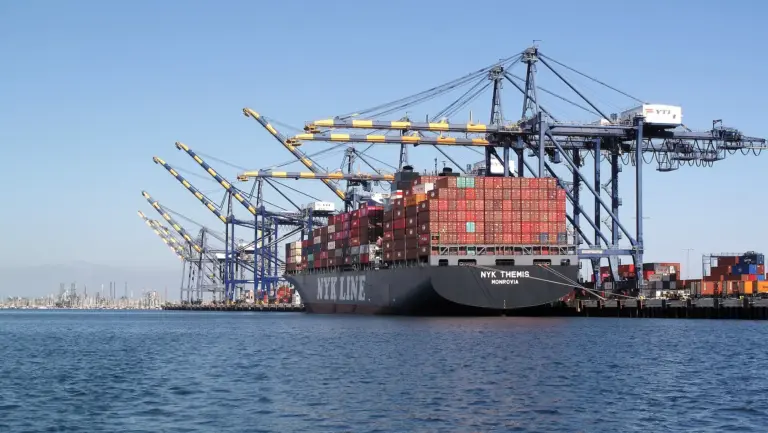
China has seen its share of bicycle imports into the United States drop below 50% for the first time, to 48.5%, with 960,468 units in the first quarter of 2026. It is its worst quarter in ten years: a 42% fall compared with the previous year. Historically, the country dominated the sector with shares ranging between 80% and 90%.
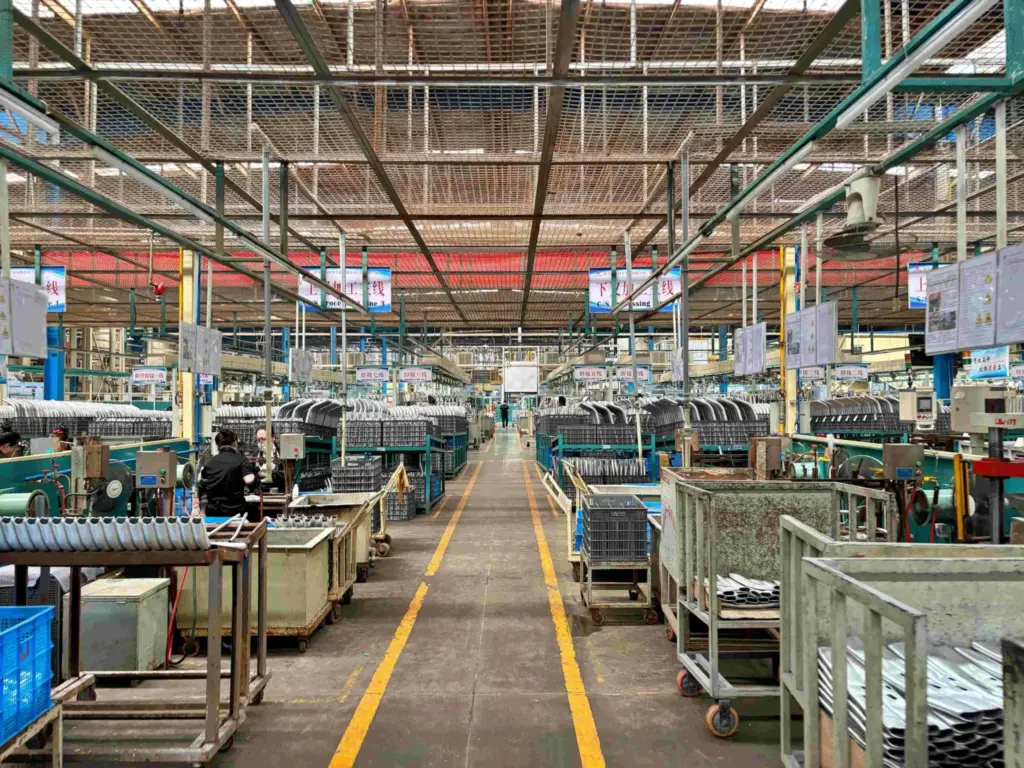
The main cause of this decline lies in the tariffs on Chinese bikes, whose effective rates now exceed 50% on non-electric models. This tariff pressure is driving up sourcing costs and pushing many players to rethink their strategies — some have already left the American market or filed for bankruptcy.
Cambodia on the rise
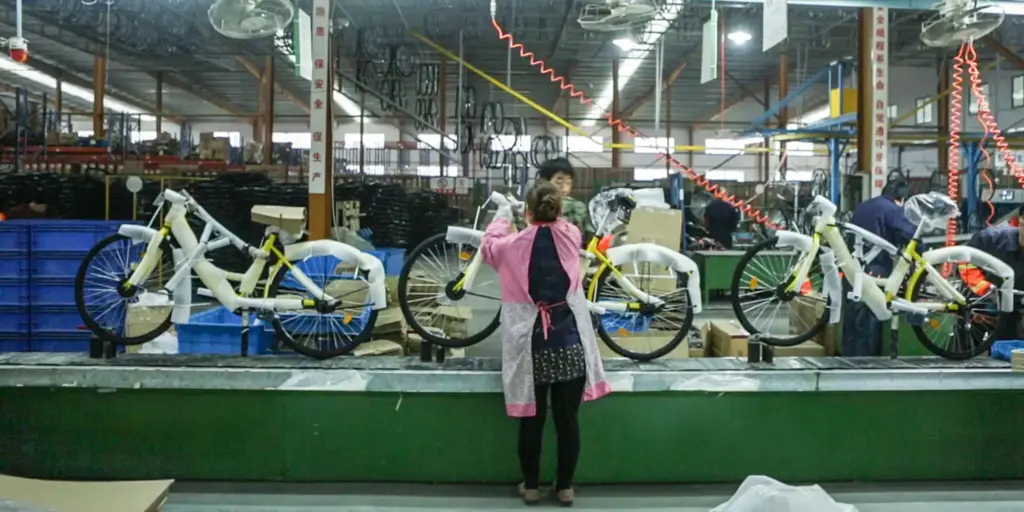
Cambodia, for its part, shipped 464,465 bicycles to the United States over the same quarter, a record that takes it to around 20% market share. Enough to become the second country of origin for bikes sold in the United States, behind a China still in the lead but in clear retreat. This leap rests on a bilateral trade agreement that keeps Cambodian tariffs below 30%, against more than 50% for China.
This rise owes much to an agreement signed in 2020 with Vietnam: it allows Cambodian manufacturers to source components and raw materials from their neighbour, securing their supply chain. The United States has become the country’s leading export destination, and it has built up its production capacity in recent years.
A reshuffle, not growth
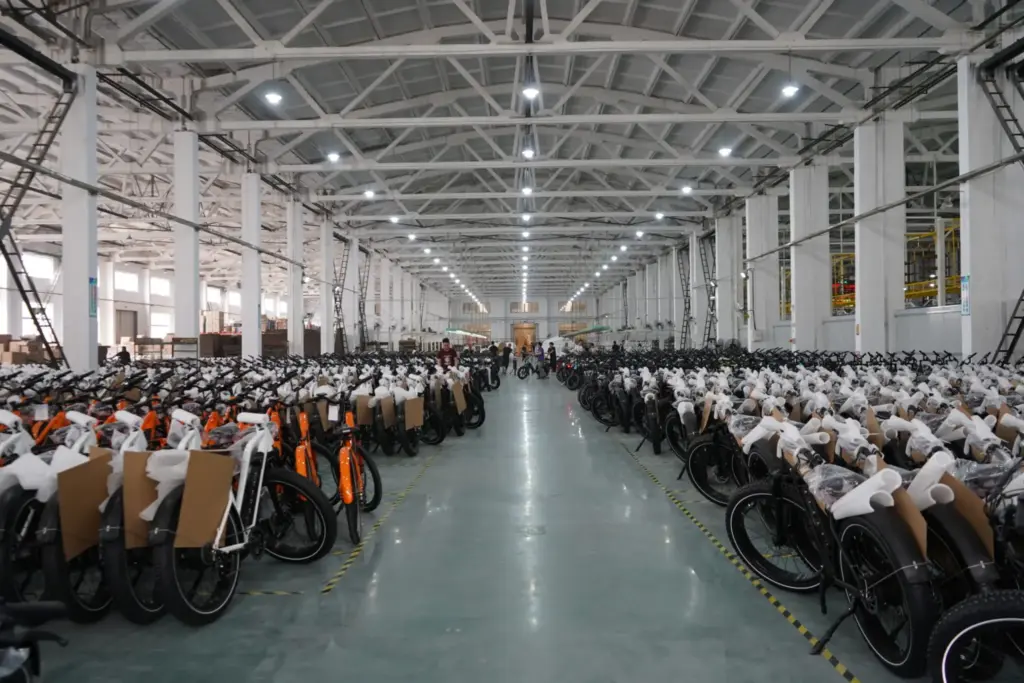
The American bike market is not expanding, however. The shift between suppliers reflects less a renewed appetite than a competition between Asian countries to hold on to their orders in a weakened market. Cambodia has managed to take advantage of the situation — abundant labour, lower costs, relocation of supply chains — to strengthen its industry.
That leaves the question of how viable these flows are in the long run, as the United States begins a partial reshoring of its production to reduce its dependence on imports. The sourcing map, for its part, will no doubt keep shifting with the tariffs.