IN BRIEF
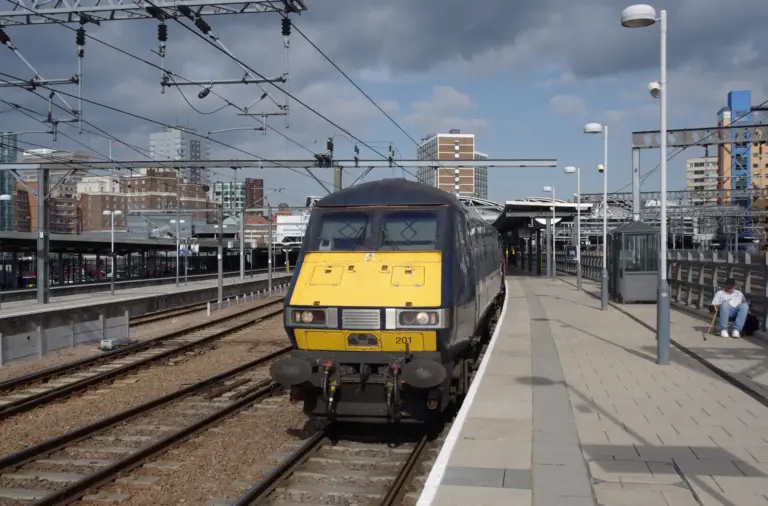
Reported bike thefts at British railway stations fell by 11% over the first half of 2026, to 1,900 cases against 2,135 a year earlier, according to an analysis by insurer Cycleplan reported by road.cc. Over the same period, the share of closed cases that led to a charge doubled, rising from 4.4% to 9%. These figures come after a controversy that broke in the autumn of 2025: in 2024 the British Transport Police had formally decided that it would not investigate thefts of bikes worth less than £200, before reversing course in early 2026 under pressure from campaign groups. Several stations are nonetheless bucking the trend, among them Clapham Junction and Hitchin, where reported thefts have risen almost fourfold and more than fivefold.
In 2024, the British transport police formally decided that it would no longer investigate some bike thefts at stations. The scandal broke in the autumn of 2025, the BTP backed down, and figures published since that U-turn have just landed: they point in the right direction, with a few caveats.
Bike thefts at stations down by 11%
According to the analysis by insurer Cycleplan, obtained through a freedom of information request to the British Transport Police and reported by road.cc, 1,900 bikes were reported stolen at British railway stations between January and June 2026, against 2,135 over the same period in 2025. A fall of 11%.
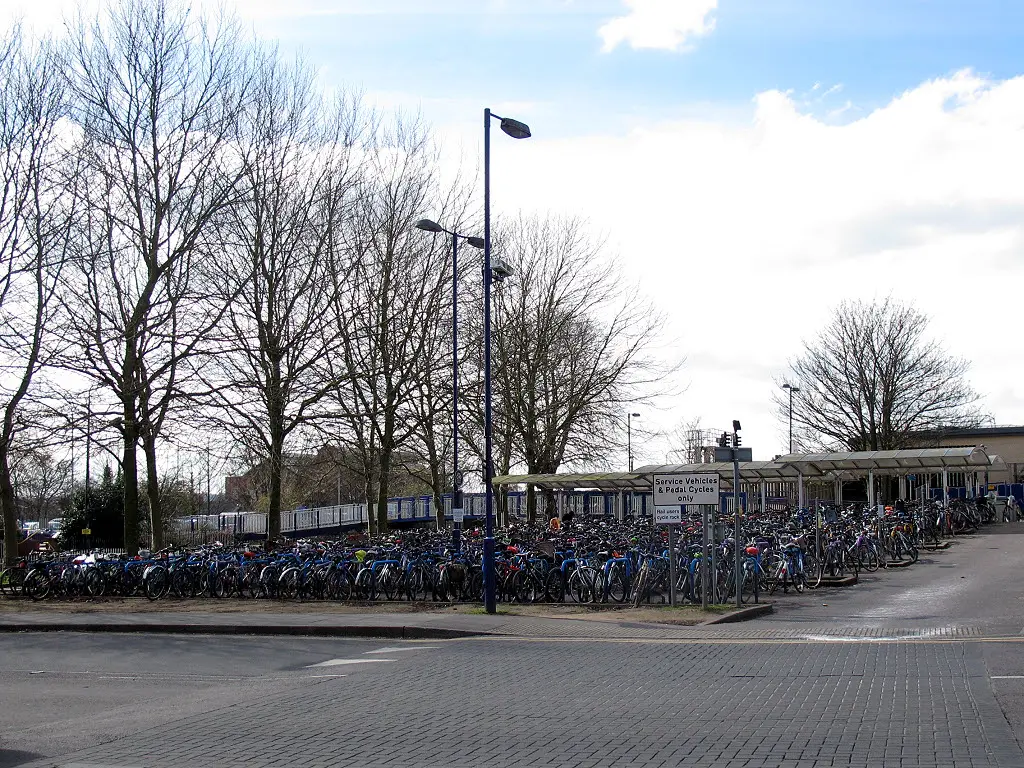
One caveat is needed: these figures count thefts that were reported. road.cc notes that the confusion surrounding the police’s policy has fed concerns about the number of cyclists no longer leaving their bike at a station: in March, data from the West Midlands Combined Authority suggested a drop of around 20% in the use of the region’s cycle parking, since the abandoned policy drew national attention. Fewer bikes parked means mechanically fewer bikes to steal: the 11% fall could also reflect cyclists giving up.
Twice as many charges, according to the insurer
The other figure speaks even louder. Again according to Cycleplan, the share of closed cases that end in a charge has gone from 4.4% in 2025 to 9% in 2026: it has doubled. The use of CCTV follows the same curve: it contributed to 10.3% of reported cases, against 6.7% a year earlier.
These two curves are read together. CCTV was at the heart of the argument the BTP put forward to justify its triage: “The more time our officers spend reviewing CCTV, the less they have to patrol stations and trains, and to investigate the crimes that cause the most harm”, the police said at the time. Since the U-turn, CCTV has been used more and the charge rate has doubled — a sequence that campaign groups, road.cc notes, will present as the direct consequence of the police’s change of course.
Sean Carney, of Cycleplan, strikes a more cautious note nonetheless: “1,900 reported thefts in just six months shows that cyclists still face a significant risk when they leave their bike at a station.”
Stations bucking the trend
The average masks widely differing situations. Cycleplan counts 35 reported thefts at Cambridge North over the half-year, against 27 a year earlier; the station already topped the ranking in 2023, with 143 thefts over the year according to the BBC. Two other stations have seen their figures soar: Clapham Junction goes from 7 to 27 reported thefts, and Hitchin from 5 to 27.
These rises on small volumes call for caution: a move from 5 to 27 cases can reflect the arrival of an organised gang just as much as a simple upturn in reporting. They are a reminder that station parking remains the weak link in British bike-and-train intermodality.
A look back at the policy that lit the fuse
In 2024, the British Transport Police spelled out its triage policy: it would not investigate a theft committed around a station if the bike was worth less than £200, or if it had been left in the same place for more than two hours. Campaign groups saw it as decriminalisation in all but name. The context gave weight to the criticism: more than 14,000 bikes had been reported stolen around stations between 2021 and 2023.
Under pressure, the police reversed its position in early 2026, pledging to bring more thieves before the courts. The January-to-June figures are encouraging; for now, they rest on a single publication.