IN BRIEF
On the same day, 30 July, Lectric eBikes passed two milestones: a billion dollars in cumulative sales and its 750,000th e-bike sold. Levi Conlow, co-founder and chief executive, announced it on social media. The billion covers the brand’s online store alone, its main direct channel, and excludes its distribution partnerships such as Best Buy. Founded in 2019 by two partners without venture capital, the company built its growth on a simple method: sell direct, at keen prices, starting with a folding bike at $899.
Some anniversaries fall at just the right moment. On 30 July, Lectric eBikes recorded, one straight after the other, its billionth dollar of online revenue and the sale of its 750,000th e-bike. Seven years after starting out in an Arizona apartment, the American company has become the counter-example of a sector that burned a great deal of money for far less to show for it.
Two milestones for Lectric eBikes, on the same day
It was Levi Conlow, co-founder and chief executive, who announced the news on his social media accounts — there is no public accounting document, Lectric being a private company. The figure deserves to be read precisely: according to Electrek, the billion corresponds to sales made on its Shopify platform alone, that is, its direct-to-customer channel. The volumes shifted through its distribution partnerships, at Best Buy in particular, sit outside that total.
In other words, the billion measures direct sales, not the company’s full business. Which, for a brand whose entire strategy rests precisely on cutting out the middleman, amounts to measuring exactly what it set out to prove.
A $899 bike as its birth certificate
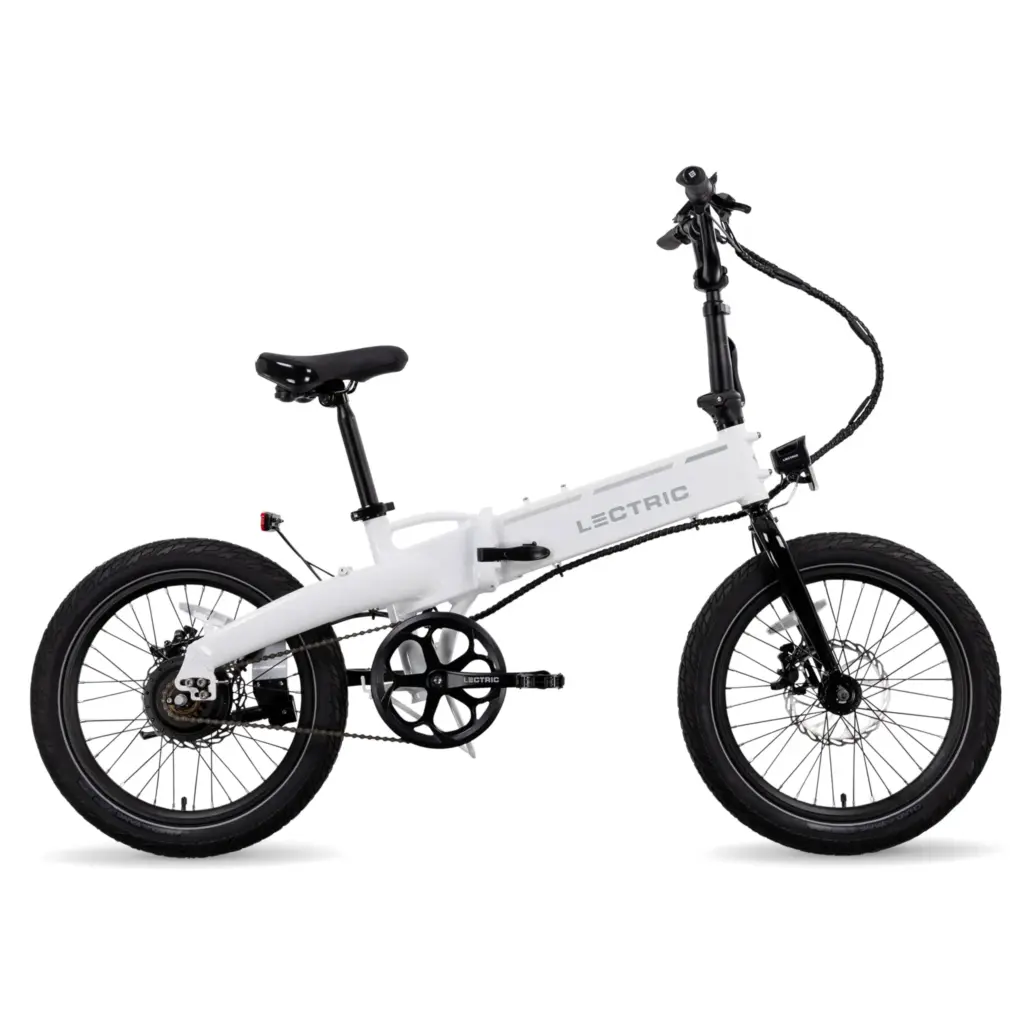
The story begins in 2019. Levi Conlow and Robby Deziel launched the Lectric XP, an electrically assisted folding bike sold for $899, at a time when the American market saw that price level as incompatible with a serious product. The bet paid off: as early as 2021, in a press release, the brand claimed more than 100,000 e-bikes sold in two and a half years.
The business model hung by very little. According to Electrek, very thin margins at the outset, then improved by renegotiating with suppliers as volumes grew — the virtuous circle of selling direct, provided you survive the early days. Lectric managed it without raising venture capital, which Forbes summed up in a phrase: “bootstrapped to $1 billion”.
The opposite of what the sector went through
The contrast is hard to miss. The past three years have seen a good share of fund-backed e-bike brands disappear or fall into court-supervised administration — TechCrunch made it the subject of an investigation last June, bluntly headlined: while venture-backed start-ups went bust, self-funded Lectric was growing.
According to Electrek, the brand now leads the American e-bike market “by a comfortable margin”, and Forbes describes it as dominant in direct-to-consumer sales. In both cases these are assessments from specialist media, to be distinguished from a measurement by an independent research firm: the sources consulted publish no market-share figure.
Three brands launched in a year
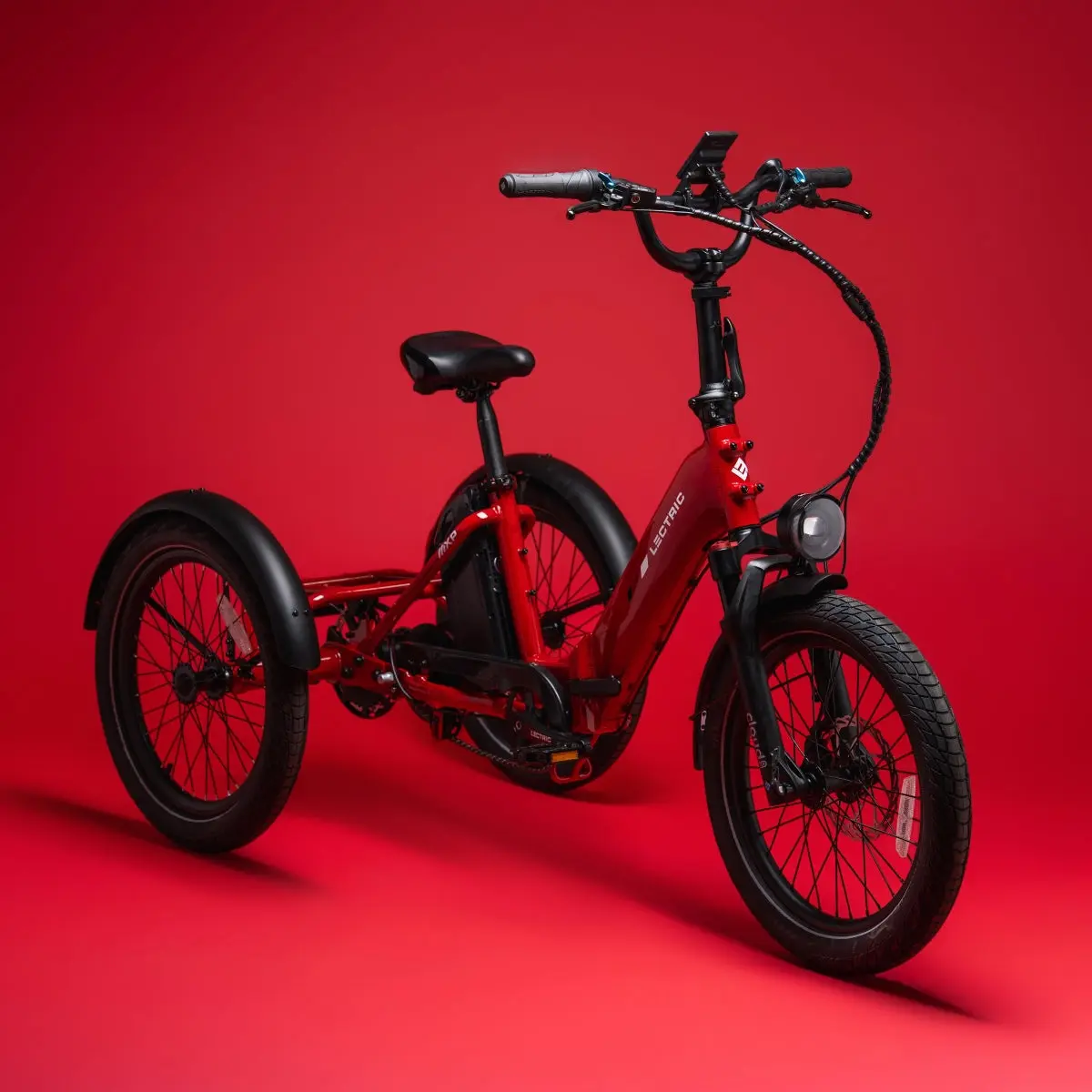
The group has widened its brand portfolio. In 2026 it launched three brands: Juiced Bikes, revived around the Scrambler models; Juiced Powersports, which sells electric off-road motorbikes quoted at 60 mph for $2,499; and Monarc, positioned at the upper end with more carefully finished components.
Three niches, one and the same method: offer more equipment than the competition for a comparable price. That is the recipe that took Lectric from an Arizona apartment to three quarters of a million bikes sold — and nothing suggests, for now, that it intends to change it.