IN BRIEF
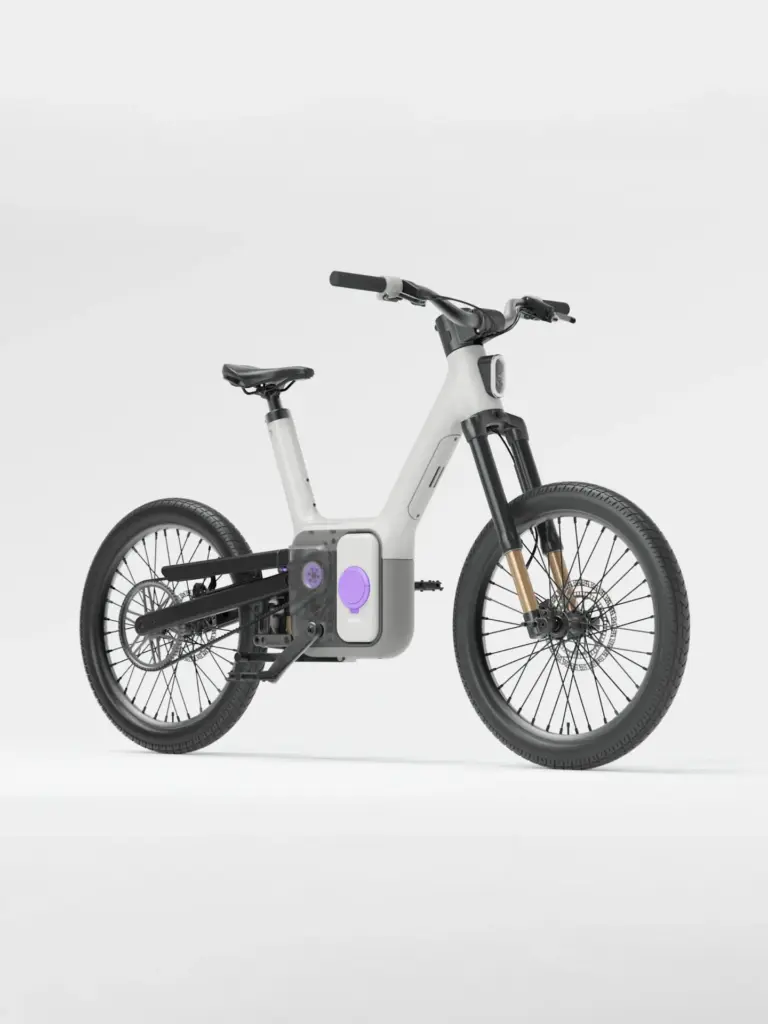
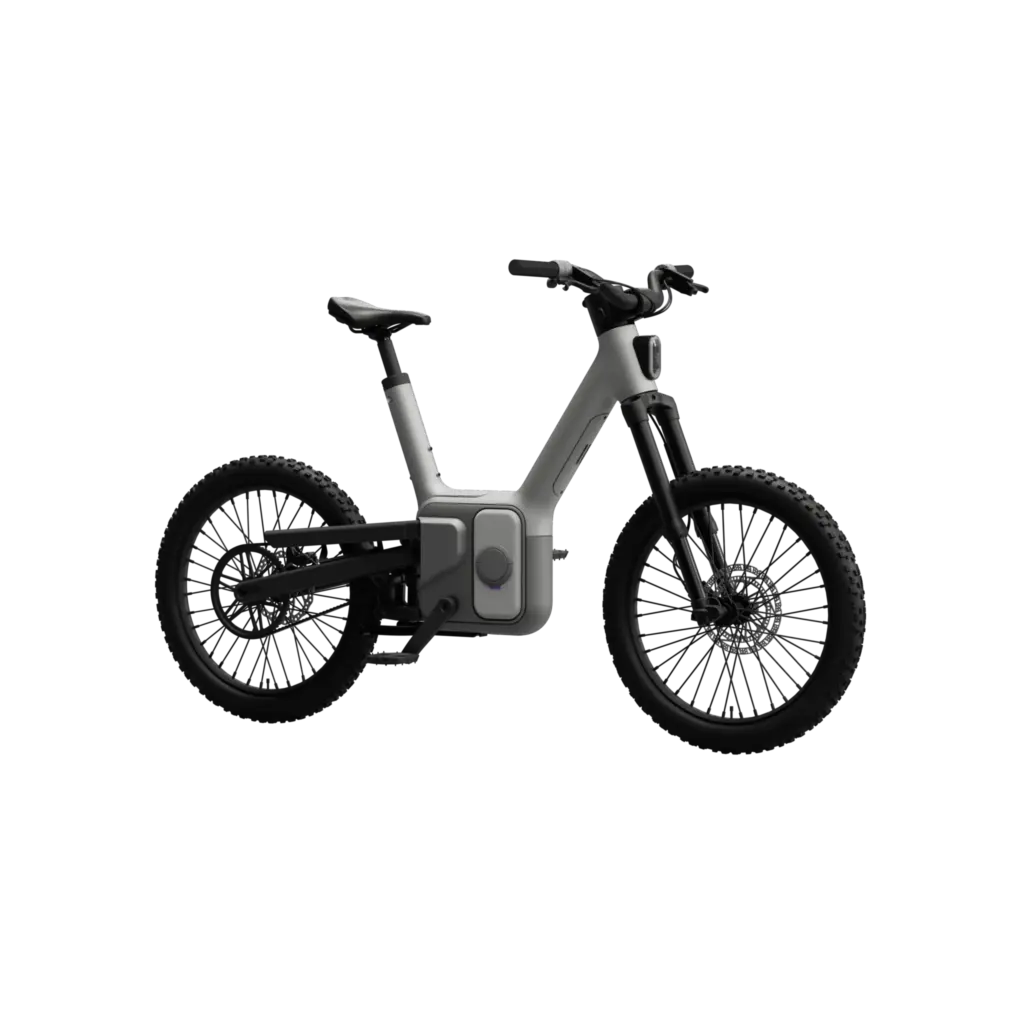
Also, the micromobility start-up spun out of Rivian, began shipping its TM-B electric bike to its US warehouse on 31 July. The Launch Edition, priced at $4,500, was due to be delivered in the spring: the company now says every bike in the series will reach its buyer between mid-August and September. It blames the delay on a worldwide surge in demand for raw materials and electronic components, without naming the parts involved. Some customers, who had been waiting since pre-ordering, have cancelled their reservation.
| Price (United States) | $3,500 for the entry version, $4,500 for the Launch Edition |
| Batteries | 538 Wh or 808 Wh |
| Claimed range | 60 miles (538 Wh) and 100 miles (808 Wh) |
| Claimed torque | 180 Nm |
| Category | Class 3: 28 mph on pedal assist, 20 mph on the throttle |
| Drivetrain | Pedal-by-wire “DreamRide”: pedalling drives a generator, a separate motor drives the rear wheel |
| Display | 2.75-inch touchscreen (“Portal”), built into the stem |
| Charging | USB-C, up to 240 W |
The wait has been a long one. Unveiled last October as the inaugural consumer product from Also — the micromobility company spun out of Rivian — according to TechCrunch, the TM-B electric bike was due to reach its first buyers in the spring of 2026. It will finally leave the factory on 31 July, on a delivery timetable running, the company says, “between next week and September”.
The Also TM-B finally ships
TechCrunch obtained the information on 31 July: the Launch Edition bikes left the manufacturer’s factory that day, bound for the brand’s US warehouse. Priced at $4,500, this inaugural series had been on pre-order since the autumn. An entry-level version, listed at $3,500 when pricing was announced, is due to follow.
To account for the slippage, Also points on its support page to an outside cause: “a rapid and widespread surge in demand for raw materials and electronic components has affected essential parts of the TM-B”. Asked by TechCrunch, the company declined to say which ones. Neither Also nor Rivian responded to Benzinga’s requests about the delays and buyer discontent.
Customers who ended up walking away
The delay has left its mark on buyers. On Reddit, customers quoted by TechCrunch voice their exasperation at deadlines pushed back one after another: “I’m really frustrated by the lack of communication”, one of them writes. Another explains that he could not wait any longer and cancelled his reservation. For a brand staking its credibility on an inaugural product, the episode matters.
It stands in contrast with the financial trajectory, which has been rather spectacular. Also was spun out of Rivian in March 2025 with $105 million from the Eclipse fund, according to TechCrunch; the carmaker retains a minority stake. In July 2025, a $200 million round led by Greenoaks Capital took its valuation to a billion dollars — before a single bike had been delivered.
A bike that pedals into thin air, literally
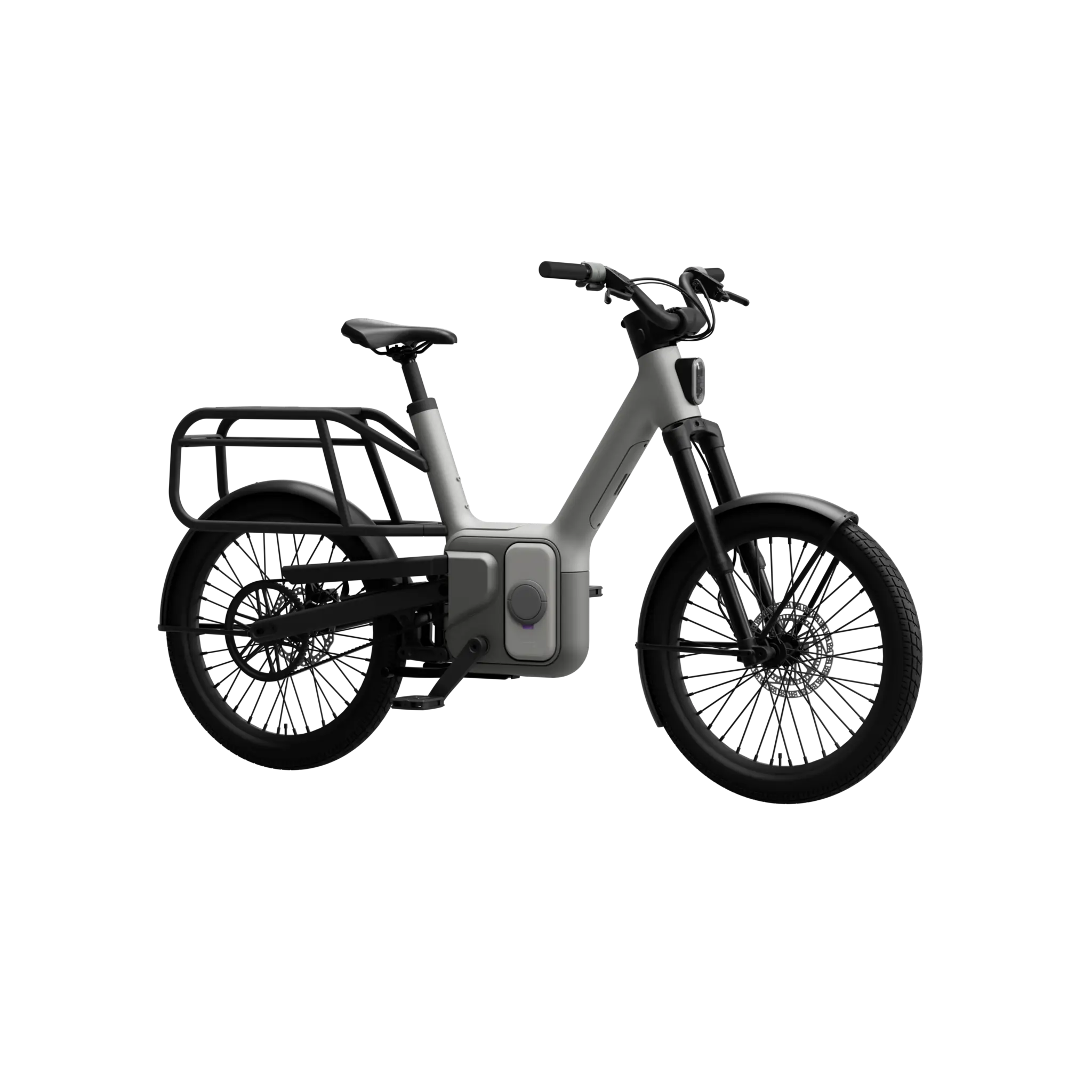
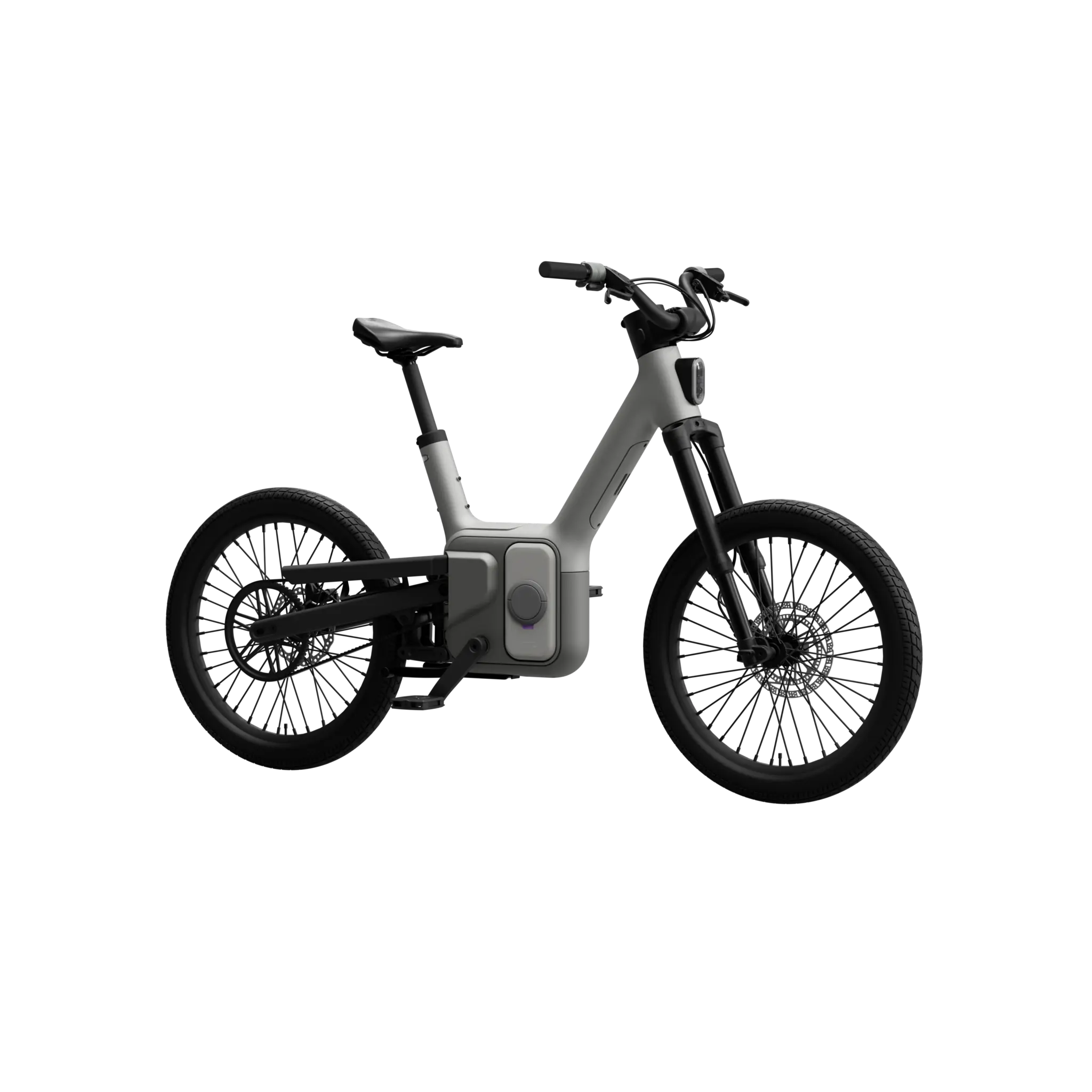
The TM-B owes its interest to an unusual architecture. Its drivetrain, named DreamRide, is a pedal-by-wire system: there is no chain between the cranks and the wheel. The rider pedals into a generator, and a separate motor drives the rear wheel. That principle explains the claimed torque of 180 Nm, and it allows two battery sizes, 538 or 808 Wh, for claimed ranges of 60 and 100 miles — the figures are American, as are the prices, and neither the announcement nor the spec sheets consulted mention a European timetable.
The rest has more of the connected car about it than the bicycle: a 2.75-inch touchscreen built into the stem, named Portal, USB-C charging up to 240 watts, over-the-air software updates. The project began in 2022 as an internal effort at Rivian, at the instigation of its chief executive RJ Scaringe, and Jony Ive’s LoveFrom studio took part in the early design work.
The bike is only the beginning
The TM-B is due to be followed by other products. Also is preparing a TM-Q, a pedal-assist quadricycle aimed at families and professional use, which shares the bike’s software layer and battery technology. The company is also developing delivery vehicles for Amazon and DoorDash. All of them are programmes resting on the same industrial base — the one that has just run several months late.