IN BRIEF
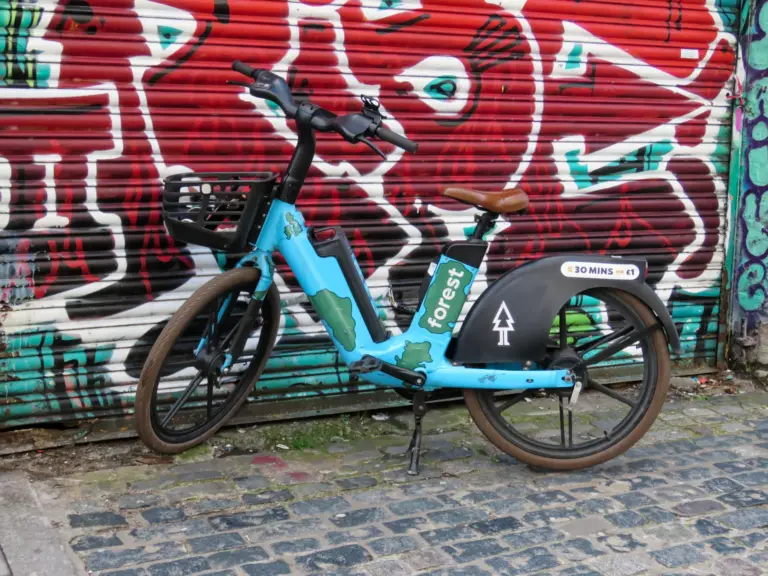
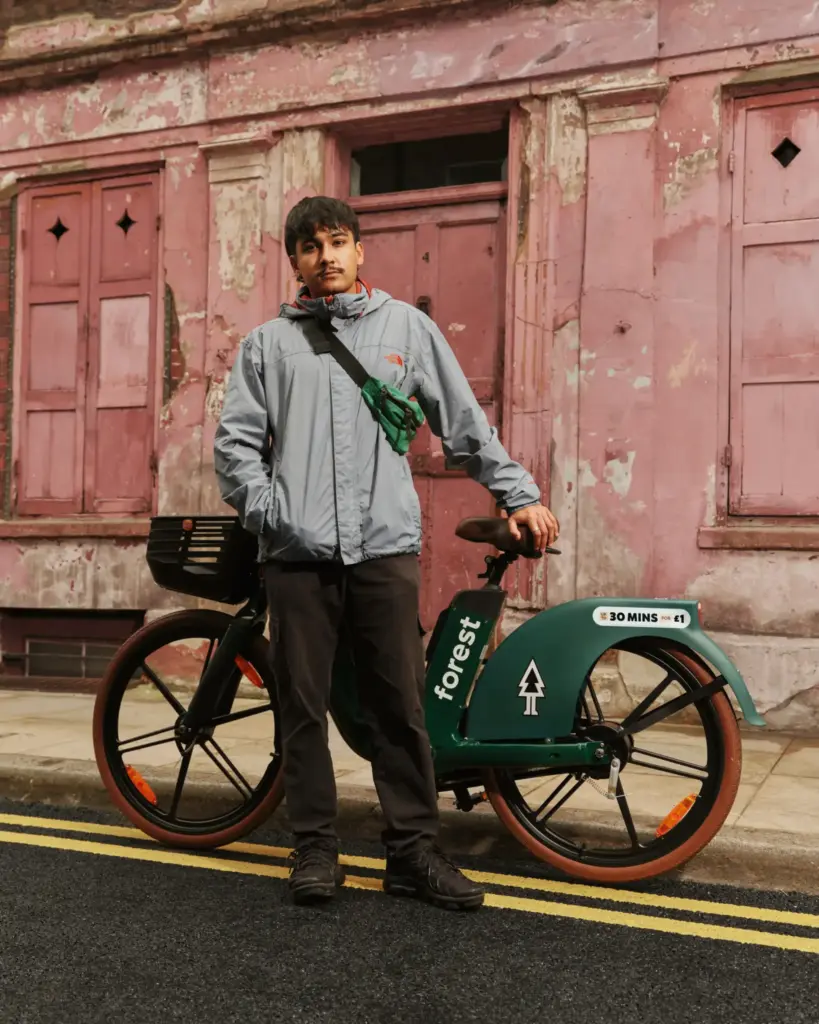
Since 30 July, London operator Forest has been rolling out 900 shared e-bikes in the borough of Ealing, in west London. The service now covers 20 boroughs in the capital and forms, according to the company, the largest single contiguous area among the city’s dockless fleets. To kick-start usage, trips starting in Ealing are charged at £1 until the end of August. According to micromobilitybiz, a social tariff called Friends of the Forest, already in place elsewhere in London, is due to be extended to Ealing residents in time: a 50% discount for low-income users, key workers, NHS staff, disabled people, carers, students and the over-60s.
London has handed its dockless bike-share over to private operators, where Paris goes through a public service concession. The British capital lets them fight over its pavements, borough by borough, in an administrative patchwork where a trip can stop dead because you have crossed an invisible boundary. It is that patchwork Forest has just stitched together a little further.
Twenty London boroughs in one contiguous area
With Ealing, Forest reaches 20 London boroughs. The figure matters less than its geography: Ealing borders Brent, Hounslow and Hammersmith & Fulham, three boroughs already covered. The operator therefore now claims the largest single contiguous area among the capital’s dockless bike-share services.
“Operating across 20 boroughs, we are now able to offer the largest continuous network in London,” says Alex Berwin, head of public affairs at Forest. The phrasing says exactly what is at stake: in a system where each council negotiates its own rules, continuity is worth more than numbers.
To mark the launch, Forest is applying an introductory fare of £1 per trip starting in Ealing, until the end of August 2026. Operations rely on a 65,000 sq ft warehouse on Hythe Road, in Hammersmith & Fulham.
A social tariff and a red-light patrol
Two schemes are announced alongside the arrival. The first, Friends of the Forest, is due to be extended to Ealing residents in time: a 50% discount — that is £0.17 a minute according to micromobilitybiz — reserved for low-income users, key workers, NHS staff, disabled people, carers, students and the over-60s.
The second is more unusual. Again according to micromobilitybiz, Forest Force is a dedicated team, deployed at the junctions identified as the most at risk, tasked with tackling red-light jumping and pavement riding, and with stopping and penalising Forest users caught breaking the rules. Forest says it will work with Ealing Council and the Ealing Cycling association to determine which junctions to target. An operator funding the policing of its own users’ behaviour has an interest in doing so, but it targets a real share of the hostility towards shared fleets in London.
Earlier this year, Forest launched a London-wide investment fund of £200,000 a year, intended according to cyclingindustry.news to support environmental, social and economic projects. The operator also claims more than 1.5 million customers in the capital.
None of this, however, amounts to public policy. London keeps building its bike-share network through successive local agreements, with no overall plan — a model that France, with its public service concessions, has chosen not to follow. Seen from Paris, Forest’s map looks less like a planned network than a demonstration: what a private operator manages to piece together on its own, borough after borough.