IN BRIEF
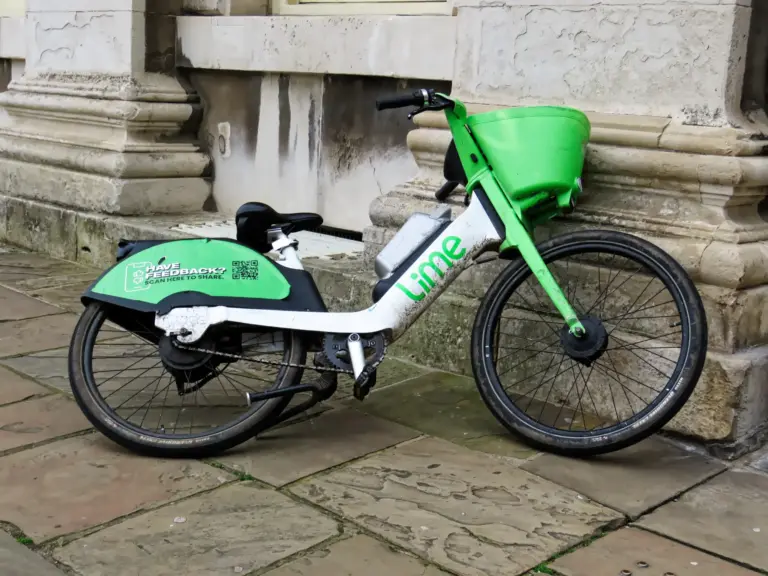
London is preparing licences valid across the whole city for dockless shared bikes. The English Devolution and Community Empowerment Act 2026, which received royal assent on 29 April, provides the power; applying it now depends on regulations the UK Department for Transport has yet to publish, after a public consultation which, it says, will launch in the coming months. Transport for London says it wants to replace the current borough-by-borough patchwork with a single framework. In the meantime, Lime, Forest and Voi keep operating under rules that change from one borough to the next, and one operator is running in Ealing without an agreement with the local council.
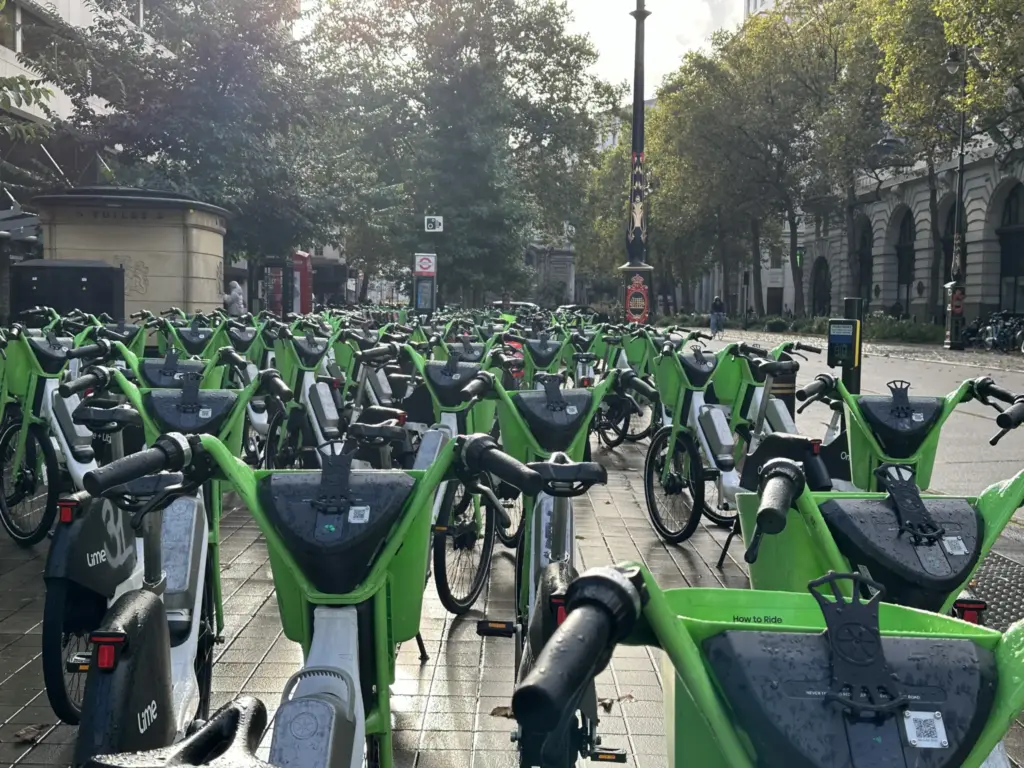
In London, shared bikes follow different rules depending on the borough where they are parked. Each borough council negotiates its own contracts with operators, sets its own parking zones, its own conditions. A law passed in the spring was meant to put an end to this mosaic. It will not end it just yet.
Shared bikes: a law passed, regulations still missing
The English Devolution and Community Empowerment Act 2026 received royal assent on 29 April 2026, as the text published on legislation.gov.uk states. It opens the way to licensing hire bike operators: to English strategic authorities, and to local authorities only where no strategic authority exists. What those licences contain — conditions, duration, suspension, withdrawal — is left entirely to regulations still to come. In London, the text names Transport for London as the licensing authority for Greater London, not the borough councils.
A framework law, however, calls for implementing texts. A UK Department for Transport spokesperson says, as road.cc reports, that the department “will set out new regulations and guidance for the licensing of hire schemes after a public consultation, which will launch in the coming months.” In other words, the consultation has not begun, and the single regime will wait until it closes.
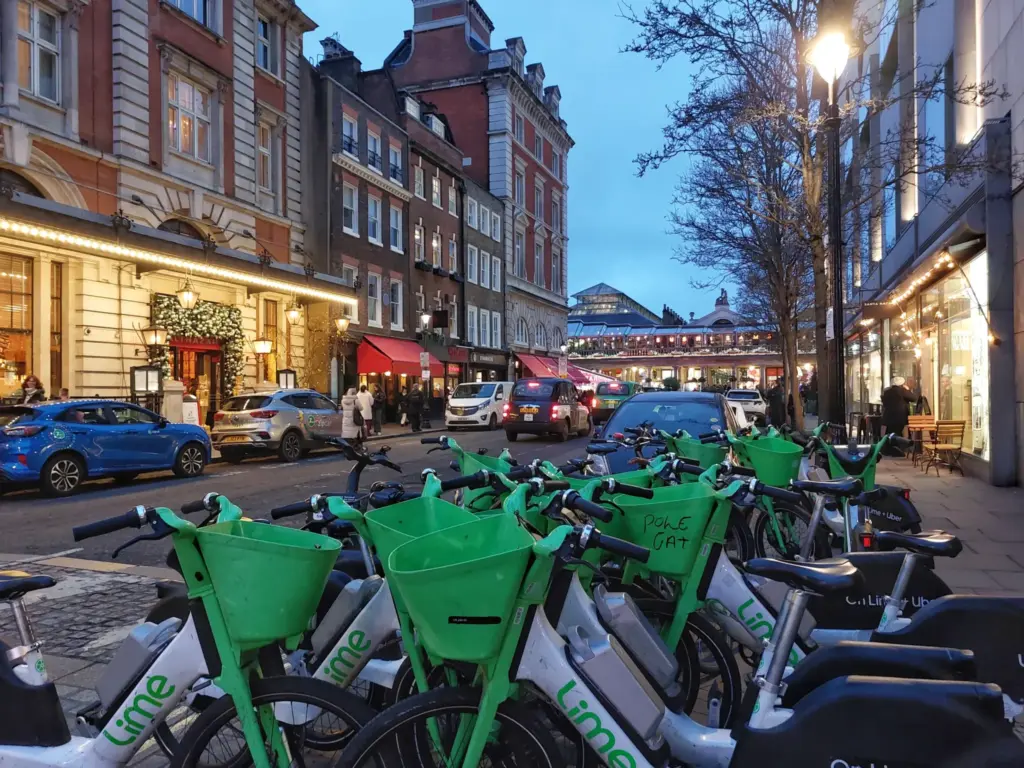
What TfL wants to replace
Transport for London has stated its intention. The transport authority tells road.cc: “We welcome the new legislation which will provide TfL with powers to regulate dockless bikes across London and introduce consistent safety standards.” And it spells out what it wants to do with it: “This will give us the future ability to replace the current patchwork, borough-by-borough approach with a consistent London-wide licensing scheme.”
Operators are pushing in the same direction
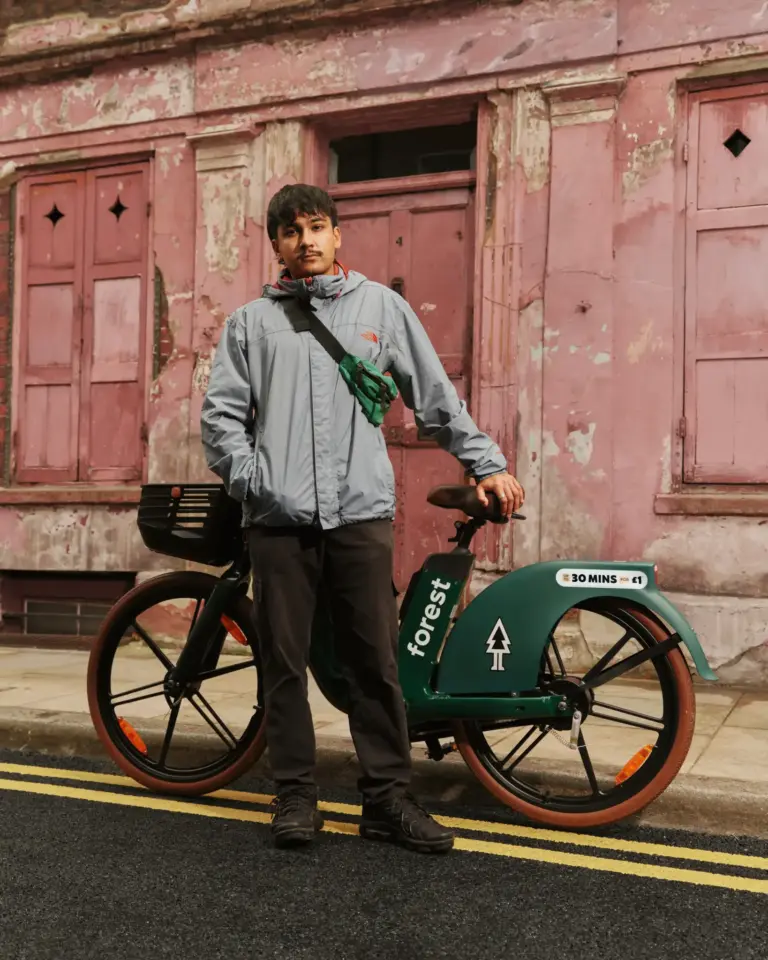
Operators are pushing in the same direction. In a letter to Sadiq Khan quoted by road.cc, Forest’s co-founders write that “No other mode of transport used by hundreds of thousands of Londoners is regulated on a borough by borough basis.” On the ground, the uncertainty drags on: in Ealing, the council signed its memorandum of understanding with Lime and Forest, and not with Voi, which nevertheless keeps running its service there without a local agreement. A spokesperson for the operator explains to the Local Democracy Reporting Service, quoted by road.cc, that “There is no statutory licensing regime that requires a council’s permission to operate dockless e-bikes on the public highway”. Still according to the operator, the selection process used does not give the council grounds to exclude a compliant operator. Ealing Council, for its part, says it is waiting for TfL and Department for Transport licensing plans before acting, which road.cc describes as creating this legal loophole.
That is exactly what the new law is meant to fix — as soon as the regulations exist.