IN BRIEF
Trek announced voluntary speed limits on 27 July across its entire electric range sold in the United States. According to the press release, its pedal-assist mountain bikes all move to Class 1 there: a cut-off at 20 mph, or around 32 km/h, and no throttle. Models designed for the road and for shared paths keep the choice between Class 1 and Class 3, up to 28 mph under pedalling, but their throttle — where one is fitted — will be capped at 20 mph. The brand is inviting the rest of the industry to align with these rules. In Europe, where assistance is already cut at 25 km/h, the announcement changes nothing in the catalogue.
| Electric mountain bikes (United States) | Class 1 · 20 mph maximum under pedalling · no throttle |
| Road and shared-path bikes | Class 1 (20 mph) or Class 3 (28 mph) depending on the model |
| Throttle, where fitted | Capped at 20 mph |
| Beyond that | Reclassified as an “e-moto” by the brand |
| Scope | Range sold in the United States |
| Date | 27 July 2026 |
Trek has just set itself a limit that American law did not require. The brand says every electric bike it sells in the United States will meet voluntary speed caps, and is asking the rest of the industry to do the same. The press release puts forward one specific argument: trail access.
Not a single electric mountain bike with a throttle
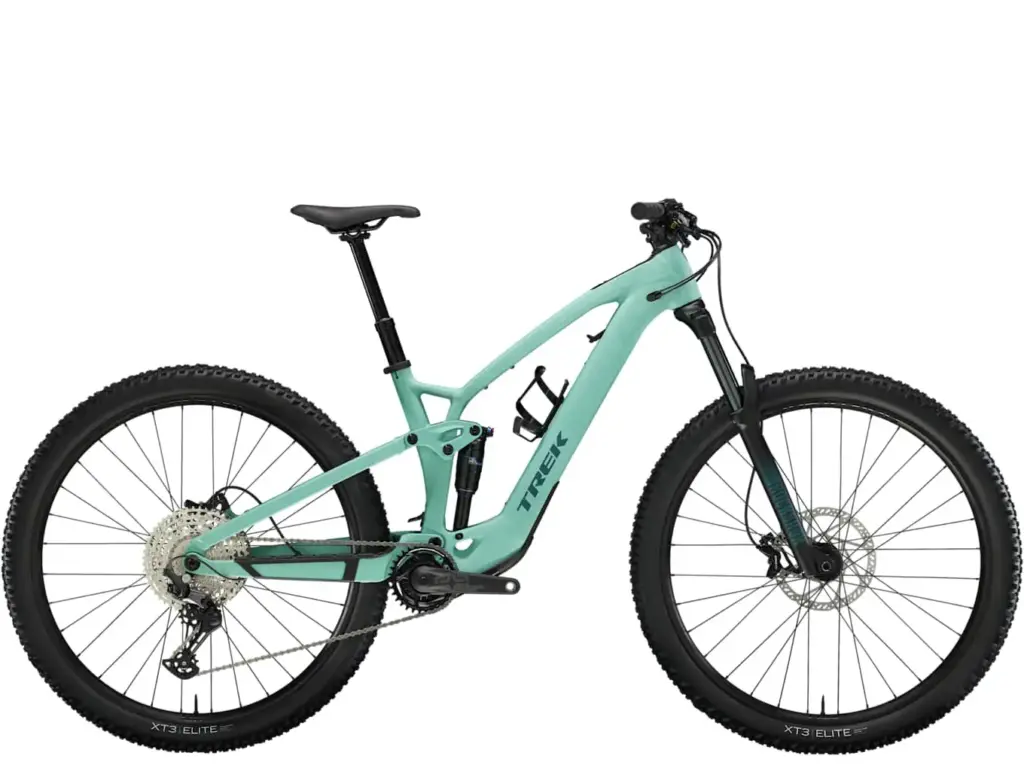
The commitment is unambiguous. The press release states that every Trek electric mountain bike sold in the United States will be Class 1, with “a maximum pedal-assist speed of 20 mph” — around 32 km/h — and that they “will not have a throttle”. The grip that drives the bike along without pedalling therefore disappears from this part of the catalogue.
In the American system, Class 1 means pedal assistance capped at 20 mph with no throttle. Trek justifies the choice by the risk it sees hanging over access to shared spaces, for want of reasonable limits upheld by manufacturers.
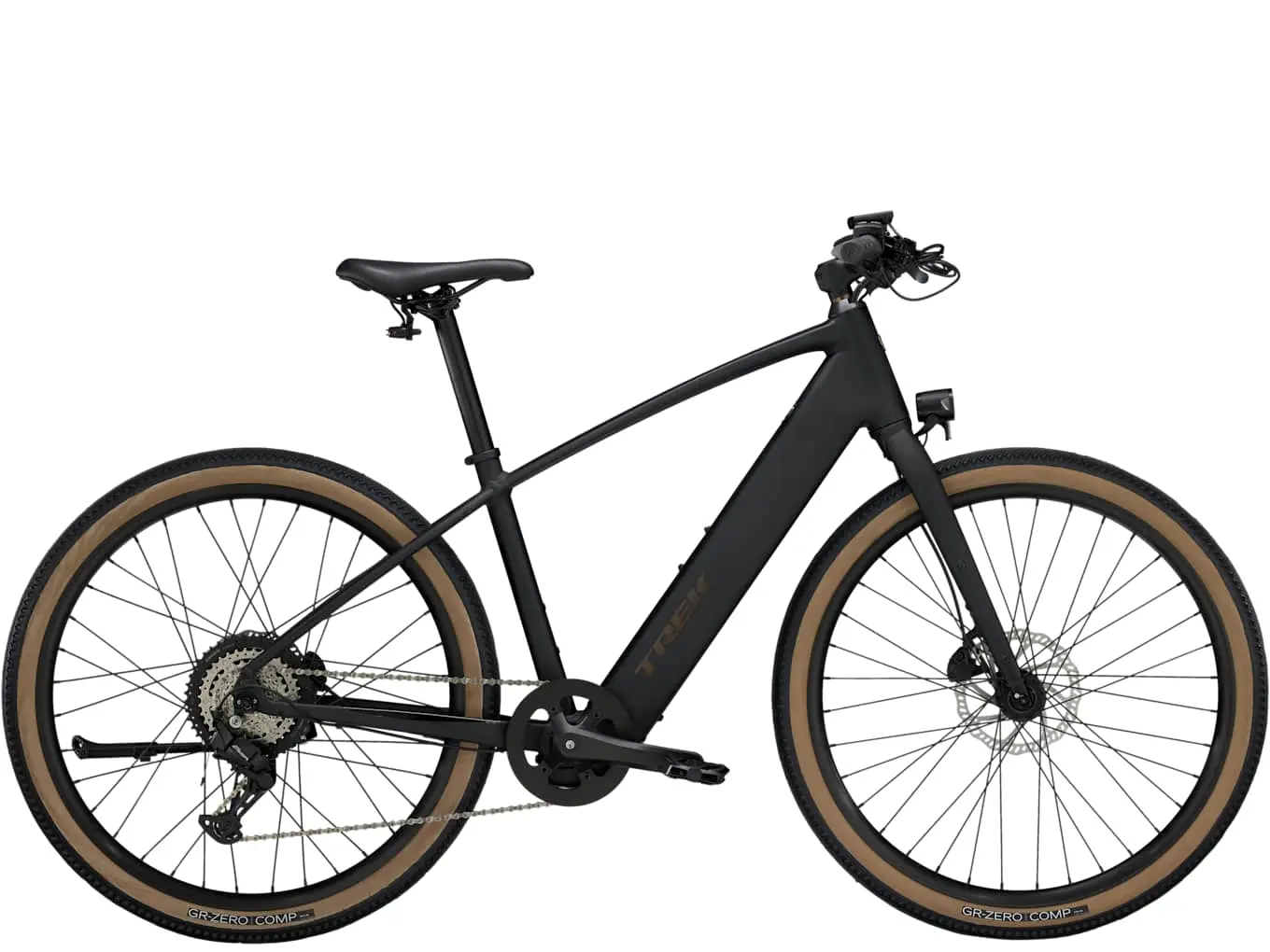
On the road, a throttle capped at 20 mph
For bikes intended for the road and for shared paths, Trek keeps more latitude. The press release specifies that the range will continue to offer Class 1 models assisted up to 20 mph and Class 3 models assisted up to 28 mph, or around 45 km/h. Throttle assistance, on the other hand, is limited to 20 mph, “if the bike is equipped with one”.
The nuance matters: a Class 3 can therefore still carry a rider up to 28 mph, but only while pedalling. Beyond 20 mph, the machine no longer does the work in their place.
Beyond that, they are no longer bicycles
Trek is also drawing a line in the vocabulary, and it is a political one. According to the press release, products that go beyond 20 mph on the throttle or 28 mph under pedalling “are e-motos, should not be used on bike paths, and belong in a different regulatory category”.
We would rather act responsibly today than have to explain tomorrow why cyclists have lost access to the places they love, and to a sport that makes the world a better place.
John Burke, President of Trek Bicycles
The company president explicitly links these caps to the brand’s mission: “These limits are about protecting what every cyclist owns,” he says in the press release. Trek believes that access to shared spaces, mountain bike trails included, is under threat from the absence of reasonable limits on the manufacturers’ side, and is calling on makers, retailers and advocacy groups to commit to the same standards.
Seen from France, a signal more than a change
For a French buyer, the announcement changes nothing concrete. Under European regulations, the assistance on an electric bike cuts out at 25 km/h and cannot work without pedalling — a tighter framework than the American system. The Class 3 models at 28 mph and the throttles Trek is talking about simply do not exist in the European catalogue.
The interest lies elsewhere. The American debate about fast machines sold as bicycles, often well beyond the official classes, is starting to weigh on trail access. That a manufacturer of this size is limiting itself, and saying so publicly, changes the terms of the debate. It remains to be seen how many brands will follow: the press release speaks of an invitation extended to manufacturers, retailers and advocacy groups, not a rule.