IN BRIEF
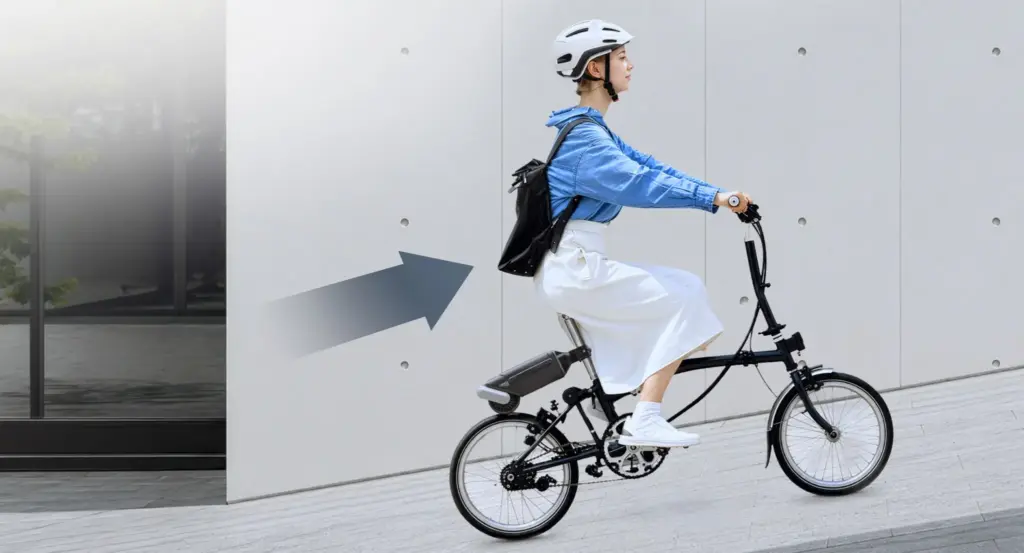
ASUS is entering the bike world with the Oxiis E250G1, a 3.7 kg unit that clamps onto the seatpost and drives the rear wheel through a roller pressed against the tyre. The Taiwanese manufacturer claims 250 W continuous, 500 W peak, a removable 158.4 Wh battery that recharges in two hours, and up to 50 kilometres of assistance in economy mode. Unveiled at Taipei Cycle in March and shown again at Eurobike in Frankfurt in late June, the device takes wheels from 16 to 29 inches but rules out full-suspension frames and carbon seatposts. One figure is a problem: the claimed 32 km/h exceeds the 25 km/h ceiling set by French road law. ASUS does plan a speed cap, without saying in which countries, and has announced neither a price nor a release date.
| Power | 250 W rated, 500 W peak |
| Battery | 158.4 Wh / 36 V, removable |
| Claimed range | 50 km in Eco mode, around 10 km in Sport mode |
| Top speed | 32 km/h, “limited to 25 km/h in specific regions” |
| Weight | 3.7 kg, battery included |
| Dimensions | 400 x 84 x 128 mm |
| Charging | 2 hours with a 100 W USB-C PD charger |
| Water resistance | IPX4 |
| Compatibility | wheels from 16 to 29 inches and 700C, tyres up to 60 mm, seatposts from 25.4 to 34.9 mm |
| Price | not announced |
The unit slips into a backpack: 400 millimetres long, 3.7 kilos with the battery. You clamp it onto the seatpost, bring the roller down against the rear tyre, and the bike turns electric. Nothing to strip down, neither on the drivetrain nor on the brakes. That is the principle of the ASUS Oxiis E250G1, the first move into cycling by the Taiwanese computer maker, unveiled at Taipei Cycle in March and shown again at Eurobike in Frankfurt from 24 to 27 June.
The ASUS Oxiis drives the rear wheel with a simple roller
A roller rubbing against a tyre to push a bike along is something France knows well: it is the principle of the VéloSolex, applied to the front wheel. ASUS moves it to the rear, with electronics on top. The brand claims a roller pressure that adjusts itself to keep contact without slipping, and a wireless cadence sensor that triggers assistance as you pedal. A system it calls Adaptive Boost Technology is said to detect climbs and add power without any input. The product name, ASUS explains, is built from the Greek oxis, agility, and axis, the pivot.
The ground is not virgin territory, however. BikeRadar places the Oxiis alongside the Livall PikaBoost, a kit of the same architecture — friction motor on the seatpost, 250 W, 180 Wh for 3 kilos. The segment already exists; what changes is the name on the box.
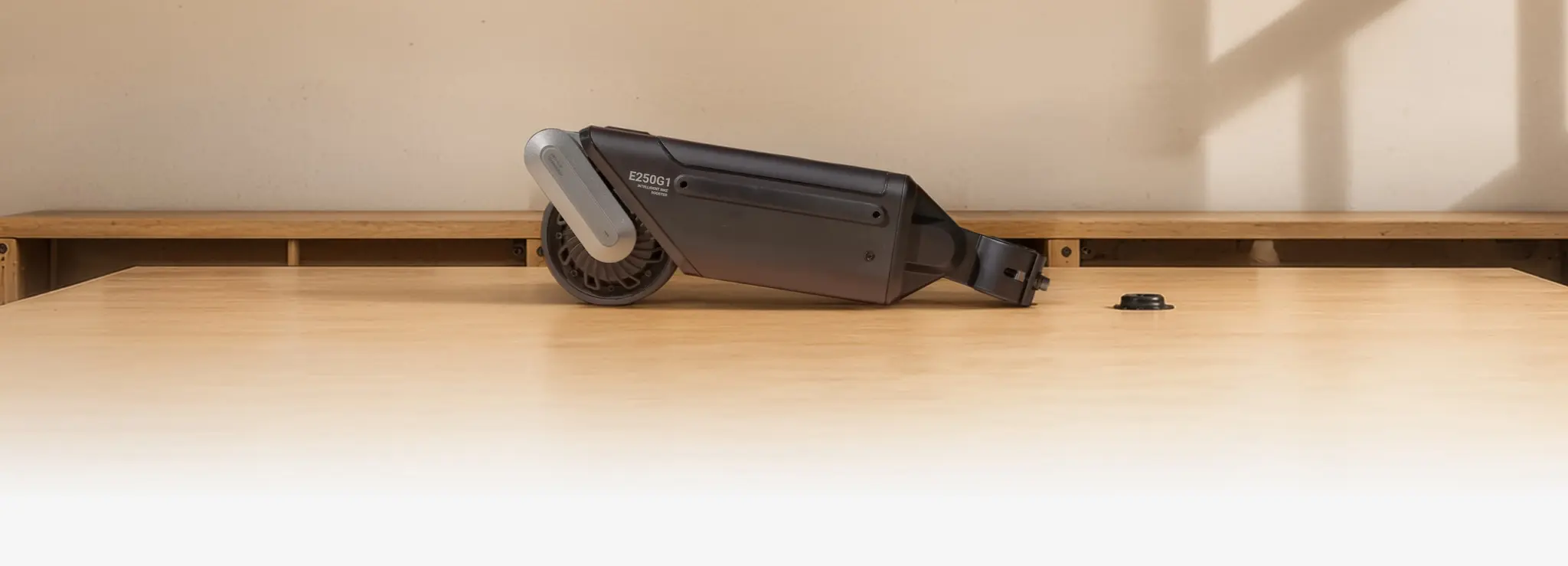
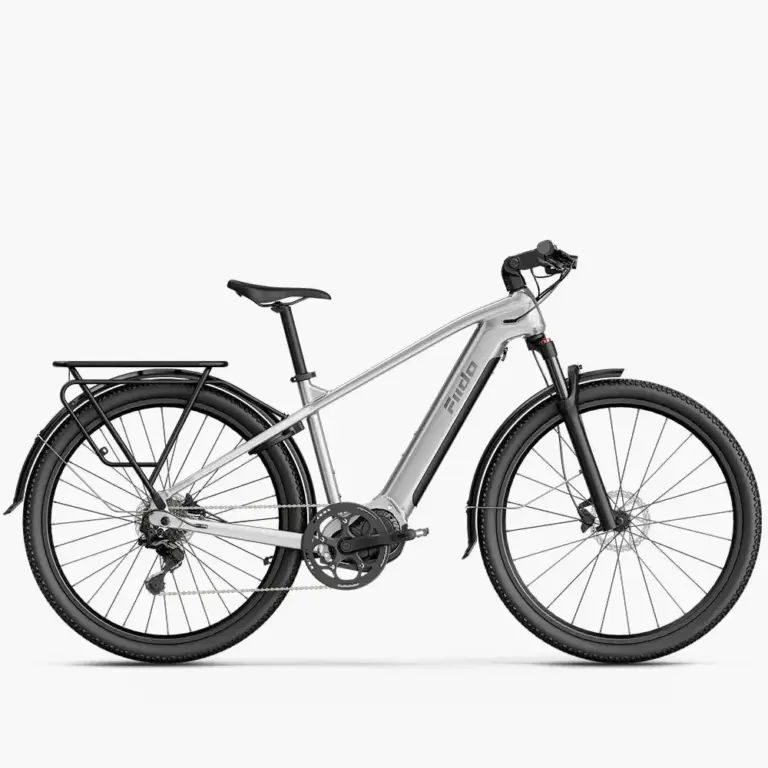
Fitting it takes nothing more than an Allen key — that is what ASUS writes on the sheet it filed at Eurobike, where the kit “assembles and disassembles with just one Allen key”. Compatibility, for its part, is broad: wheels from 16 to 29 inches plus 700C, tyres up to 60 millimetres, seatposts from 25.4 to 34.9 millimetres with the supplied shims. City, road, gravel and folding bikes, along with hardtail mountain bikes, are listed as compatible. Two exclusions and one caveat, though, and they come from ASUS: no full-suspension frames, no carbon seatposts — the brand cites safety and the risk of damaging the part — and knobby tyres are advised against, the kit being given as compatible with slick, semi-slick and textured tyre surfaces. That is the limit inherent to this kind of drive: the roller works in permanent contact with the tread, and anything that degrades that contact degrades the assistance.
32 km/h on the spec sheet, 25 km/h in French road law
It is the line that jumps out of the official table: top speed 32 km/h, with a bracket ASUS wrote itself, “limited to 25 km/h in specific regions”. No list of regions comes with it. French road law, for its part, defines very precisely what an electric bike is.
A cycle fitted with an auxiliary electric motor with a maximum continuous rated power of 0.25 kilowatt, whose power supply is progressively reduced and finally cut off when the vehicle reaches a speed of 25 km/h, or earlier if the rider stops pedalling.
Article R311-1 of the French Highway Code, definition 6.11
Three conditions, then. Power passes: the 250 W rated figure lands exactly on the 0.25 kilowatt ceiling, and the 500 W claimed at peak raise no issue, since the text covers continuous rated power and not peaks — e-bike motors on the market routinely claim far higher bursts. It remains that ASUS writes “250 W (rated)” without saying whether the figure was measured following the procedure of the European standard, the one that counts. Second condition, assistance must cut off as soon as you stop pedalling: the kit does carry a wireless cadence sensor, but the brand describes that behaviour nowhere. Then there is speed. As long as a given unit assists beyond 25 km/h, the bike carrying it is no longer a cycle in the eyes of the law: it moves into a motorised category, with the obligations that come with it. The question is not theoretical for insurance, which covers the bike as long as it remains a bike.
A 158 Wh battery sized to travel in the cabin
The battery pulls out of the unit in one movement. It stores 158.4 Wh at 36 volts and recharges in two hours on a 100 W USB-C Power Delivery charger — the same standard as a laptop, which avoids a proprietary charger, provided you have a powerful enough brick. Its capacity sits just under 160 Wh, the threshold beyond which a lithium battery is refused in the cabin. ASUS makes a point of the argument, while noting that prior approval from the airline is still required.
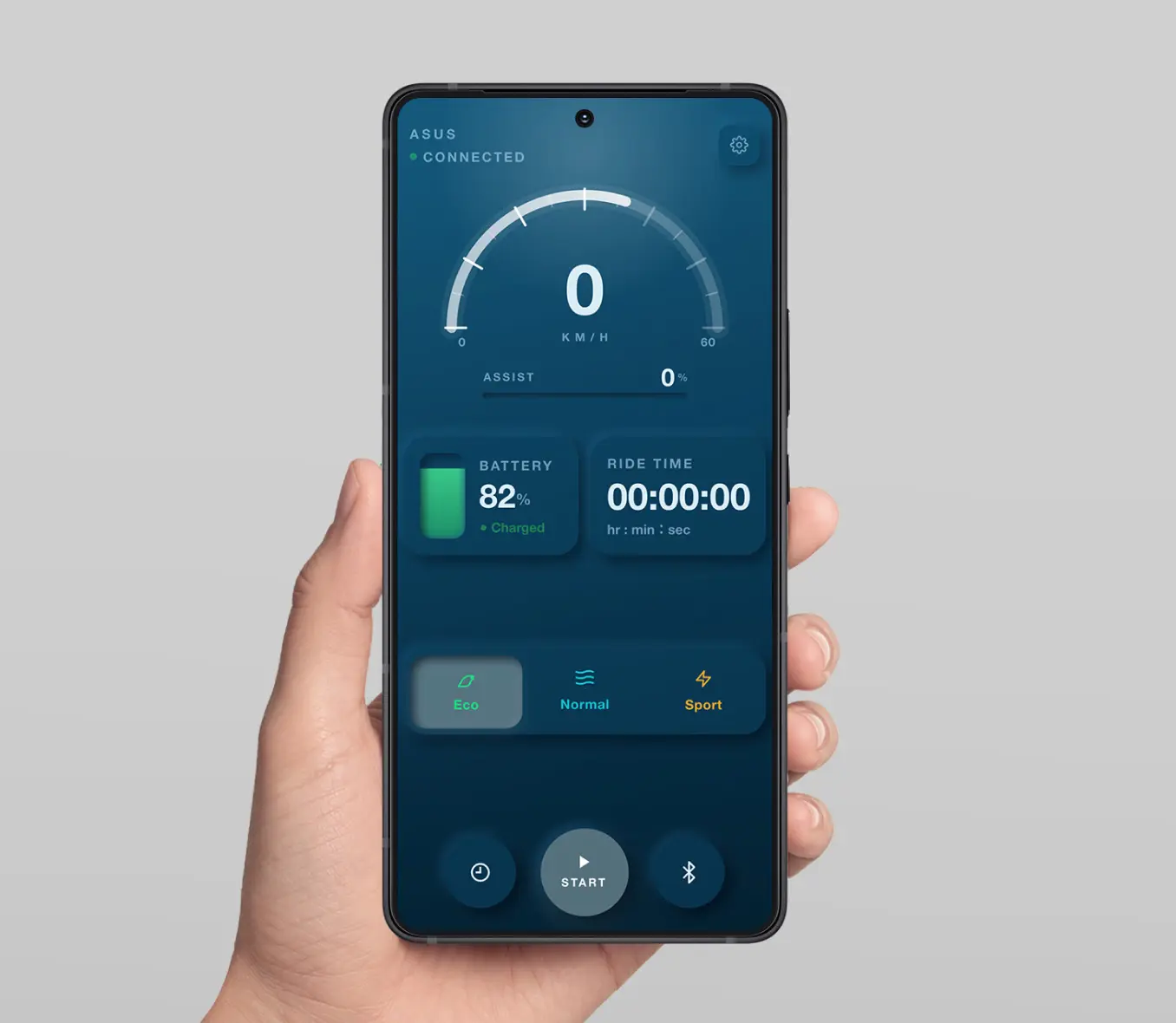
On range, the brand claims 50 kilometres in Eco mode and around 10 kilometres in Sport mode: the gap says enough about the headline figure assuming a rider who pedals and flat ground. Three modes follow one another — Eco, Normal, Sport — reachable from a button on the unit or from the iOS and Android app. The unit also carries a rear light that detects braking and signals the slowdown to road users behind, and shows an IPX4 water resistance rating: light rain gets through, downpours and jet washing are out.
No price, no date, no standard on the sheet
The ASUS product page is thorough on the technical side and silent on everything else. No price, no launch date, no distribution network. Above all, the sheet nowhere mentions the EN 15194 standard, the one that governs electrically assisted bikes in Europe, nor any CE marking for the kit. It does name two bodies: the American Federal Communications Commission and Industry Canada.
ASUS is not silent on the regulatory question, but what it writes passes the ball back. At the bottom of its product page, a paragraph warns that by buying and installing the Oxiis, “the user agrees to independently understand and comply with all local traffic laws, right-of-way regulations, and speed limits”. A second forbids modifying the power output or the speed cap, on pain of voiding the warranty and making the vehicle non-compliant. In other words: compliance is the buyer’s problem.
The bet remains an interesting one: 3.7 kilos you clip on in the morning and take away in the evening, on the bike you already own, without touching its mechanics. ASUS will still have to ship it capped at 25 km/h on this side of the world — and say so in black and white.