IN BRIEF
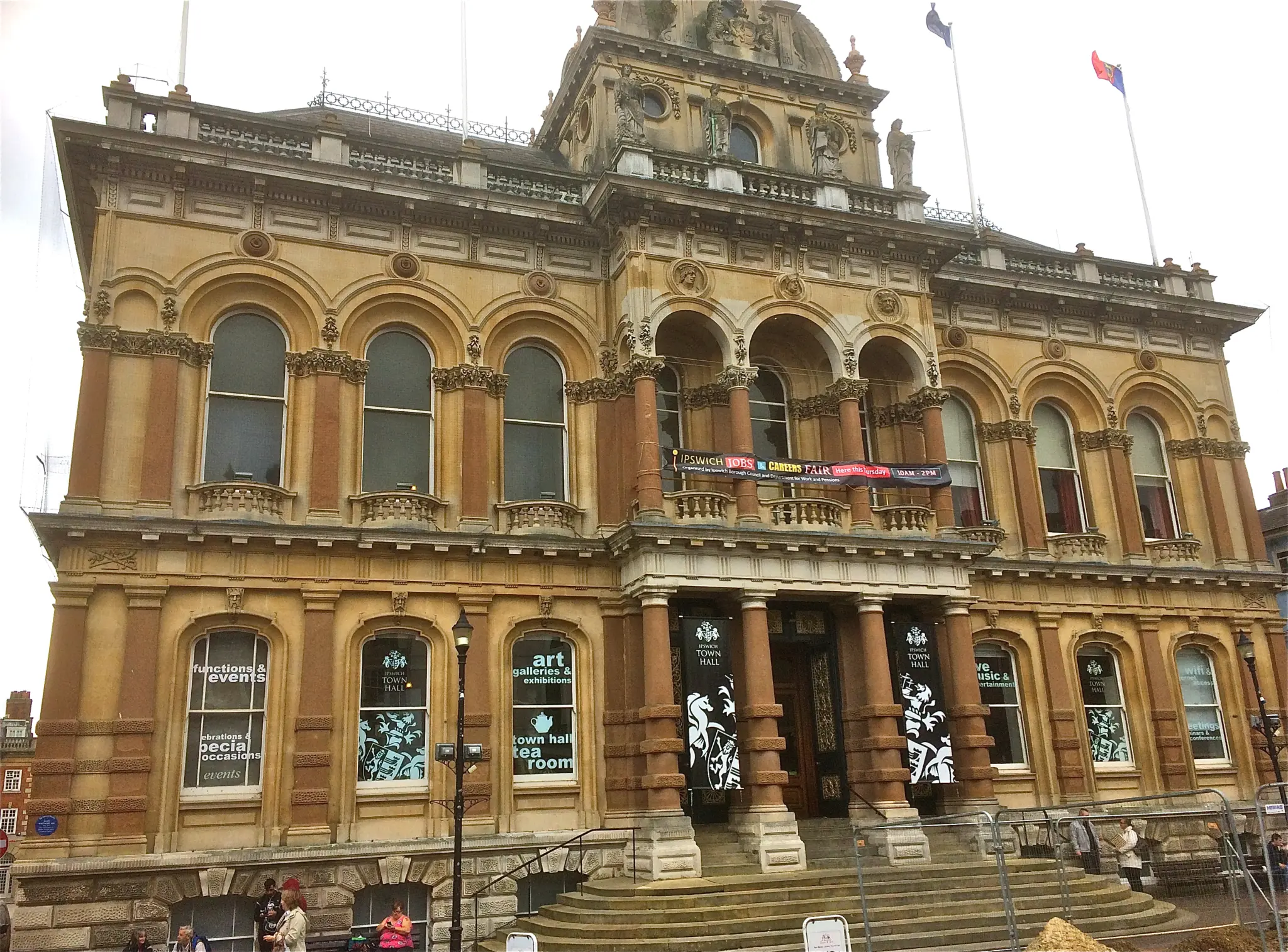
Suffolk County Council has halted the e-bike hire scheme that was due to start in Ipswich in January 2027, British website road.cc reports, citing local daily the Ipswich Star. The decision rests with Christopher Hudson, cabinet member for transport and highways. According to road.cc, the councillor cites safety while acknowledging that 20% of Ipswich residents have no car and would benefit from better links to the railway station. “The theory was good”, he concedes, before wondering whether it is not “county lines on wheels”.
The scheme was due to open within a few months. It will not open — at least not on the planned date. Suffolk County Council has put a stop to Ipswich’s e-bike hire project, and the argument put forward by the councillor in charge of transport is worth reading twice.
Ipswich: an e-bike hire scheme halted before it ever existed
According to road.cc, “Suffolk County Council has halted plans for an e-bike hire scheme in Ipswich”. The British website specifies that the scheme “was due to start in January 2027” and that it “was put on hold by Suffolk County Council cabinet member for transport and highways, Christopher Hudson”. The information originally comes from local daily the Ipswich Star, which road.cc cites explicitly.
The reasons given, as road.cc summarises them, form a list that has become familiar in Britain: pedestrian safety, antisocial behaviour, battery fires and illegal modifications. Only one of those grievances, battery fires, overlaps with the reason put forward on 14 July 2026 by rail operator Merseyrail for banning non-folding e-bikes from its trains as of 1 January 2027.
“County lines on wheels?”
The phrase that gives road.cc’s article its headline fits into a single sentence. “Safety first is what I’m thinking”, Christopher Hudson explained, in remarks reported by road.cc and quoted here in his original English. “The theory was good. It was going to be part of the active travel to get people moving”, the councillor went on, before adding: “Unfortunately… is it county lines on wheels? I don’t believe these forms of transport will enhance safety, health and wellbeing or assist our aims and objectives.”
The expression needs unpacking for anyone outside Britain. In the United Kingdom, according to the Crown Prosecution Service definition, county lines networks extend their drug-dealing activity from large cities out to coastal towns and market towns, through a dedicated phone line, often using children as couriers. The councillor, a Reform UK member, is therefore explicitly associating a municipal mobility service with a potential logistics tool for the drugs trade.
A fifth of residents without a car
Another passage of the report deserves attention. Road.cc reports that Hudson “acknowledged that 20 per cent of Ipswich residents have no car access and could benefit from better station connections”. In other words, the councillor concedes the very need the scheme was meant to meet — then halts the scheme.
That is the crux of the case: according to road.cc, Hudson judges the scheme unsuitable for the town while acknowledging the need it would fill. Road.cc’s report says nothing about the operator that was to run the scheme, the budget allocated to it, or what happens to the project now.