IN BRIEF
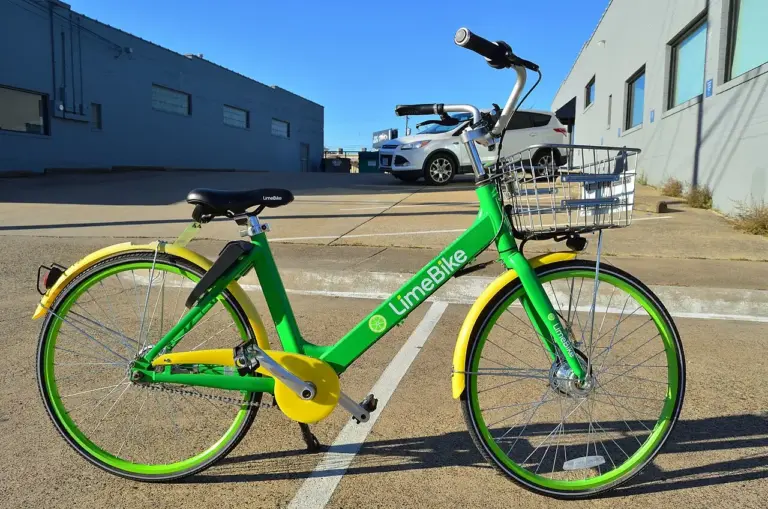
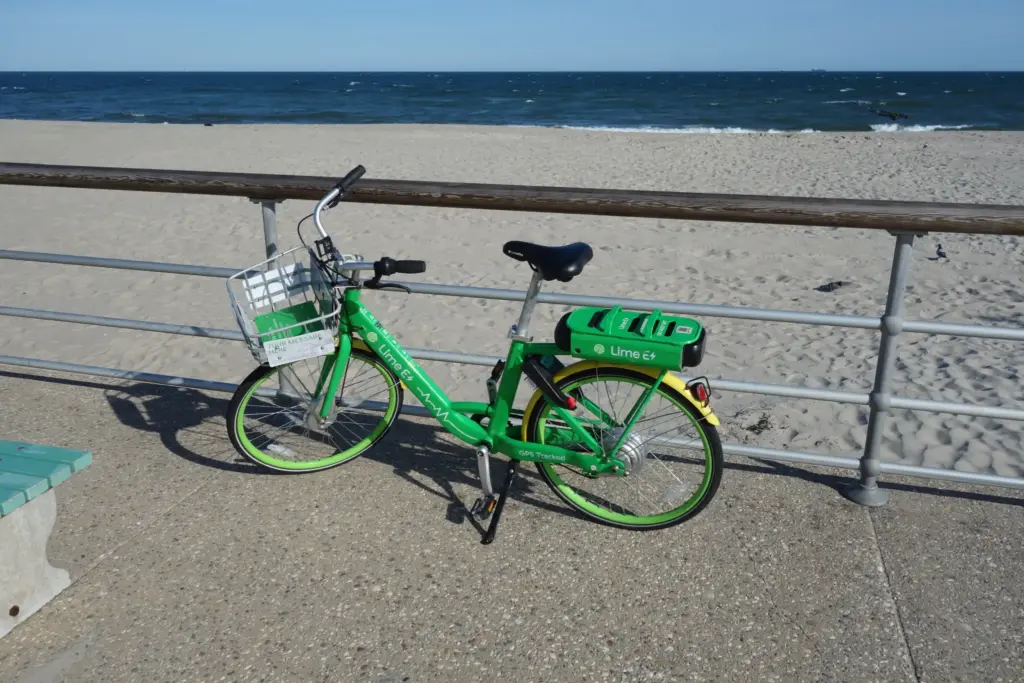
Barcelona will not renew the licences of seven private shared electric bike operators, including Lime, Voi and Bird. From 1 January 2027, their 3,478 bikes will disappear from the streets. The reason: parking “chaos”, with 5,413 fines handed to the operators since January 2025. The city council would rather strengthen its own public network, Bicing, which it promises to expand. The European Cyclists’ Federation, for its part, calls the move a step backwards for sustainable mobility.
5,413 fines since January 2025. More than 2,000 bikes removed from pavements. In Barcelona, the shared electric bikes of Lime, Voi and five other brands have ended up wearing out the city council’s patience. Rather than renew their licences, mayor Jaume Collboni has chosen to let them expire at the end of 2026. The upshot: from 1 January 2027, these seven private operators will have to pack up.
A “chaos” measured in 5,413 fines
When the city re-awarded the licences for these private schemes at the end of 2024, it did so on one condition: that the operators keep control of how their bikes were parked. On its own website, Lime points out that parking in the dedicated racks is compulsory in Barcelona.
In practice, the rule did not hold. According to figures published by the city council, the seven companies have been handed 5,413 fines since January 2025 — more than one and a half fines per bike. The city has also removed 2,099 badly parked bikes, left on narrow pavements or across pedestrian crossings, and has received 4,443 complaints from residents. Most of them came from the most tourist-heavy neighbourhoods.
“The city has to protect public space,” ruled Jaume Collboni, of the Socialists’ Party of Catalonia, who describes the situation as “chaos”. The mayor says he met the operators several times: despite their attempts to “put things in order”, the problems persisted.
Betting on Bicing, the public network
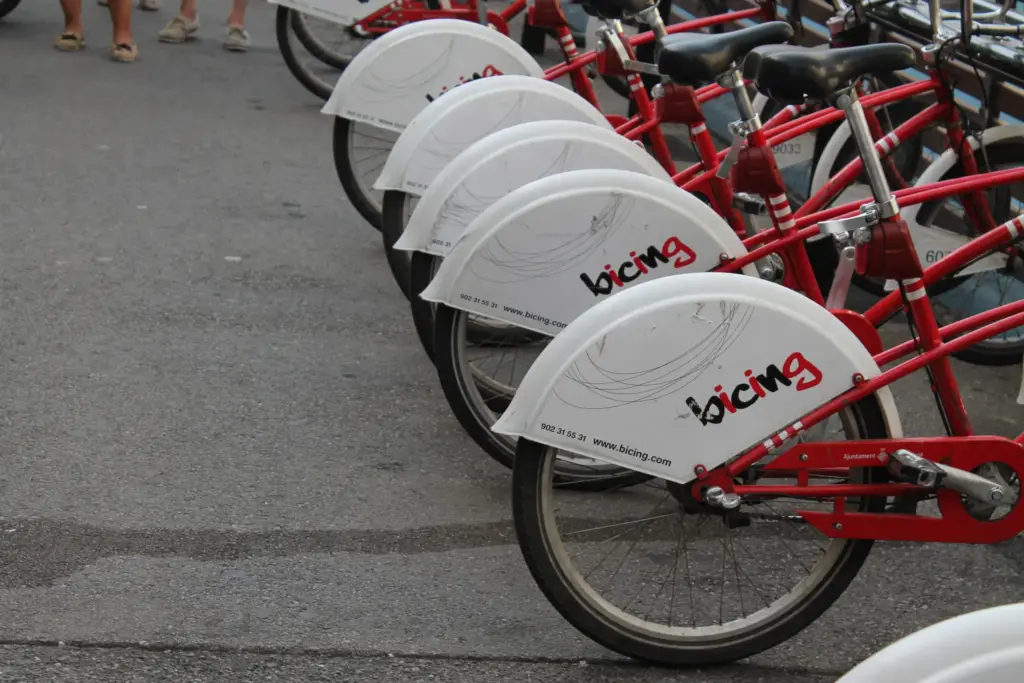
Rather than private bikes, the city council wants to beef up its own service. Launched in 2007 and run by the city, Bicing works on a subscription basis and remains reserved for residents living in Catalonia — so a tourist passing through cannot borrow one. The council promises to add new stations and new bikes to it.
That said, the public service is not beyond criticism either. Several stations have reportedly been out of service for weeks, and part of the fleet is said to be in poor condition. The announced expansion will therefore have to start by bringing the existing network back up to standard before scaling up.
Bikes ridden mostly by tourists
One figure sums up the unease: only 10% of the private bikes were used by Barcelona residents. The rest were tourists — which explains why the complaints are concentrated in the most visited areas. According to the city council, the rise of these free-floating electric bikes has also hurt “local solutions”, such as the rental shops that lived off that clientele.
The European Cyclists’ Federation is worried
Not everyone is applauding. In Brussels, the president of the European Cyclists’ Federation (ECF), Henk Swarttouw, said he was “very disappointed”. As he sees it, pushing out Lime and the others means giving up an offer that the public network will not be able to make up for.
This decision goes against the grain of what is happening elsewhere in Europe and around the world, where shared bikes are increasingly becoming an integral part of sustainable urban mobility.
Henk Swarttouw, president of the European Cyclists’ Federation
His arithmetic: to meet demand from residents and visitors, Barcelona would need around 12,000 shared bikes, according to the Bicicleta Club de Catalunya — roughly the sum of the 8,000 public bikes and the 3,500 private ones. By pushing out the latter, the city would lose close to a third of the supply. A few weeks before hosting the Grand Départ of the Tour de France, the Catalan capital thus finds itself accused of turning its back on its own progress on active mobility.
Barcelona is not an isolated case
The headache of haphazard parking goes well beyond Catalonia. In London, the borough of Kensington and Chelsea has billed more than £210,000 in removal and storage fees to the operators of abandoned bikes and scooters since January 2025. There too, Lime comes top of the list, with 1,624 bikes impounded and close to £144,000 in fines.
Ultimately, the debate is not really shared bikes versus public bikes. It raises a simpler question: can private operators keep their commitments on public space, or not? For want of a convincing answer, Barcelona has made up its mind.