IN BRIEF
Estonian manufacturer Ampler, the first to bring a USB-C rechargeable electric bike to market, has filed for insolvency. The cause: not its sales, but a property lease signed in Berlin in 2021 that proved impossible to unwind without paying €1.2 million. Its German subsidiary is in insolvency proceedings, the Swiss one is expected to follow, and up to 50 jobs are at risk. The brand had nonetheless cleared close to €10 million of debt before its majority shareholder pulled out.
A collapse that came from property, not from the workshop
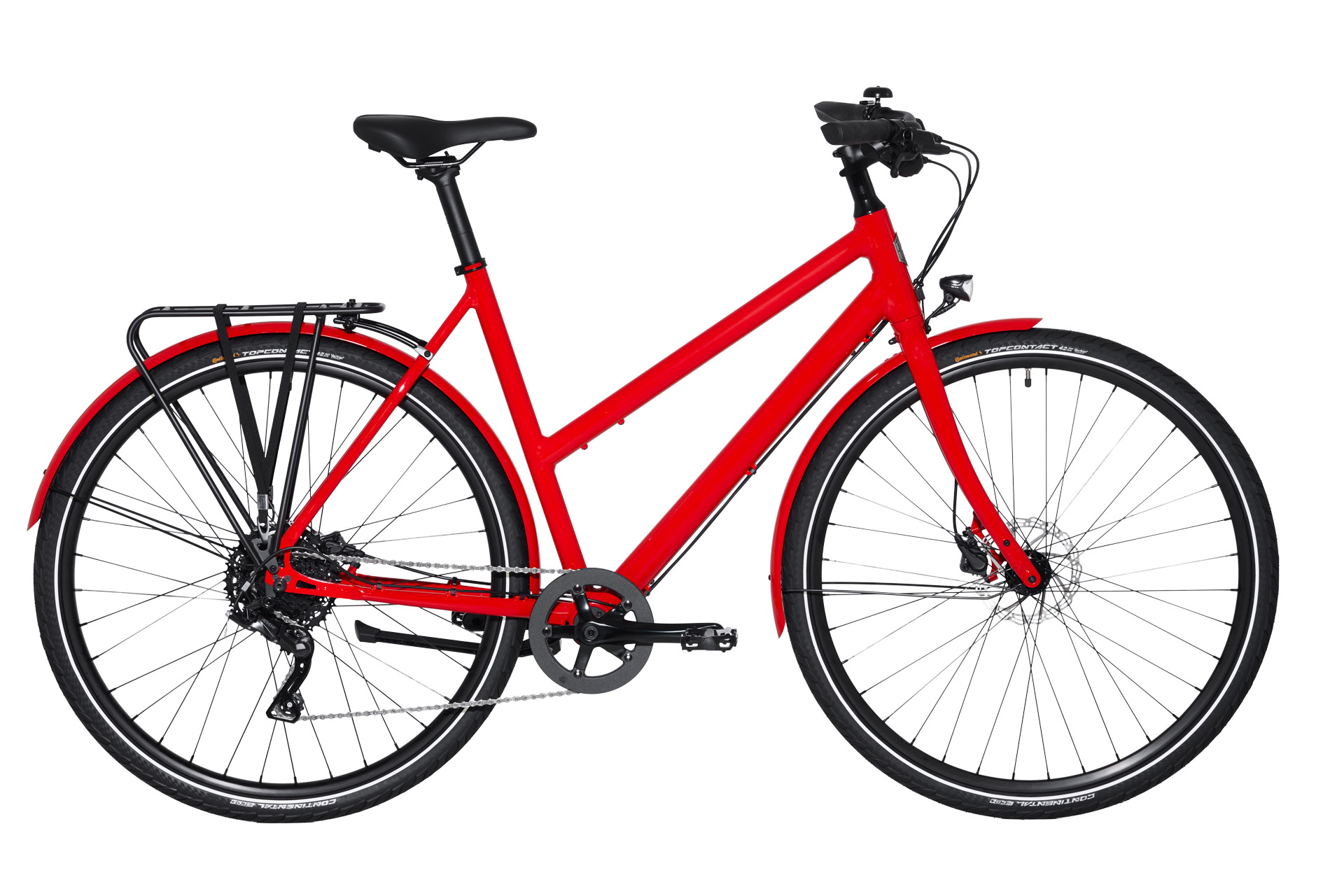
Ampler is not a manufacturer like any other. Founded in Estonia, the brand made its name with clean-lined electric bikes whose battery is integrated into the frame. In 2025 it made a splash by launching two models that recharge with a simple USB-C cable, a first on the market. As recently as March 2026, its 2026 Curt left a good impression on testers at the CyclingWorld show.
Nothing on the product side pointed to insolvency. The origin of the collapse lies elsewhere: in a rental contract. In 2021, Ampler signed a ten-year lease for its Berlin offices. The commitment quickly proved too heavy, and the company never managed to get out of it.
A Berlin lease worth €1.2 million
For eighteen months, Ampler tried to renegotiate the contract or vacate the premises. In vain. The landlord ended up demanding €1.2 million for an early exit, and the talks broke down. With no way out, the brand saw its majority shareholder, Urban Mobility, withdraw, cutting off any future funding.
The Berlin lease guarantee became a financial dead end at the very moment we were ready to begin a new chapter.
Kristjan Maruste, member of Ampler’s board of directors
The paradox is a cruel one: financially, the company had largely turned things around. Close to €10 million of debt had been written off or rescheduled, to the point where, according to management, only €300,000 remained. The restructuring did not fail; it was the weight of a rent that ended up carrying everything away.
What future for Ampler owners?
The German subsidiary has been placed in insolvency, the Swiss one is expected to meet the same fate, and up to fifty people could lose their jobs. The court has not yet formally declared bankruptcy, but the board considers the outcome inevitable.
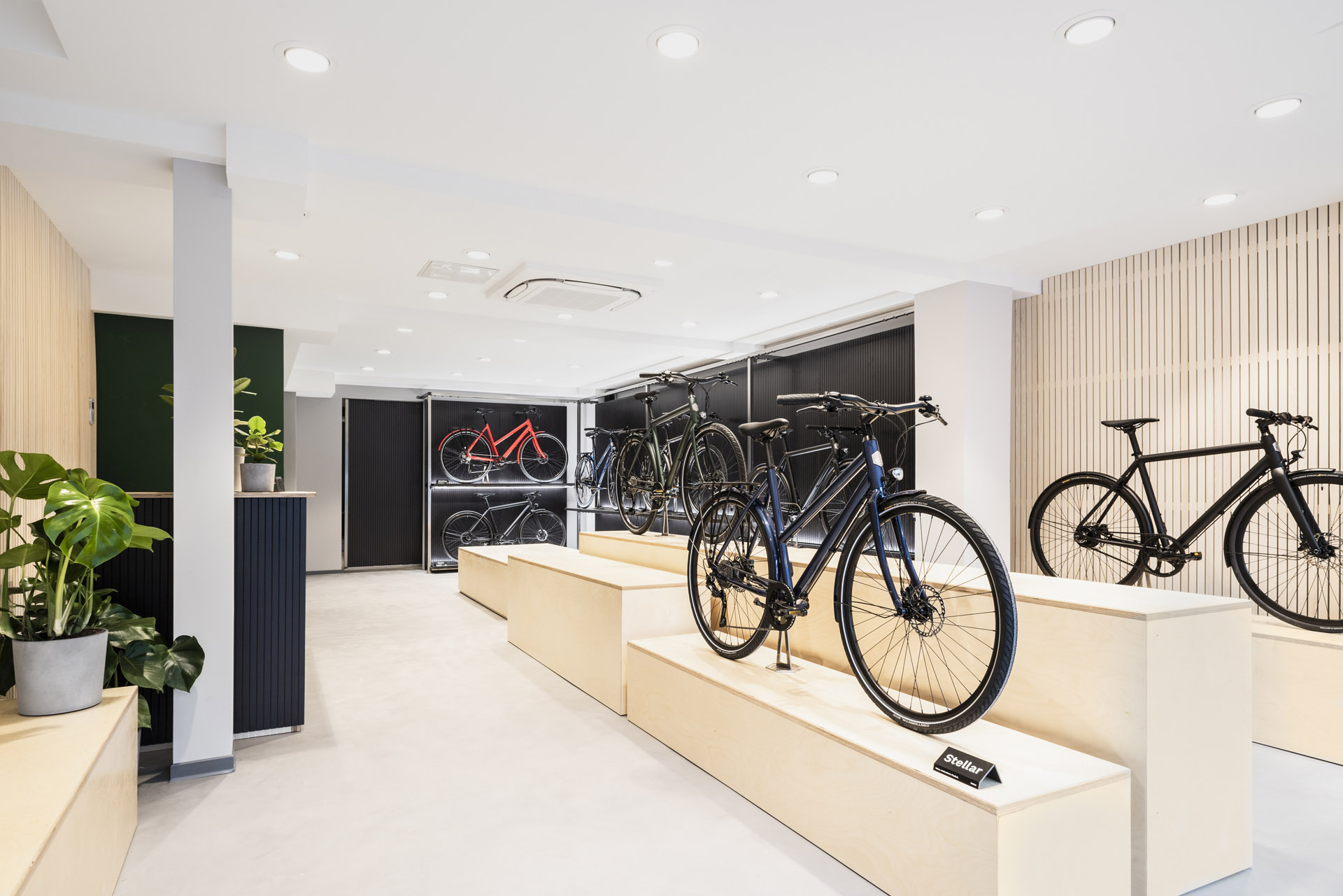
That leaves the practical question for those already riding an Ampler: who will service their bike? The good news is that these machines rely largely on standard components. A regular workshop can therefore handle routine servicing and most repairs, even without an official network.
More than 28,000 Amplers have covered more than 244 million kilometres in total. If the company cannot carry on, our riders can.
Kristjan Maruste, member of Ampler’s board of directors