IN BRIEF
California Governor Gavin Newsom signed bill SB 1167, authored by Senator Catherine Blakespear, on 30 September. It clarifies what can be sold and marketed as an e-bike in the state: a device that falls outside the legal definition can no longer be advertised, labelled or sold as one. Streetsblog California notes that the existing thresholds (750 W maximum, functional pedals, three classes) remain unchanged; labelling, battery safety and crash data collection are strengthened. Streetsblog California reports that the law takes effect on 1 January 2027.
In California, a two-wheeled electric device sold as an “e-bike” will now have to be one. Gavin Newsom signed bill SB 1167 into law on 30 September; it was written by Senator Catherine Blakespear and co-sponsored by the cycling advocacy group CalBike, the industry lobby PeopleForBikes and the groups Streets Are For Everyone and Streets For All. Its purpose, as CalBike sums it up: to clarify what can legally be sold and marketed as an e-bike in the state.
A California e-bike law that leaves the thresholds untouched
California already defines the e-bike: fully operable pedals, a motor of 750 watts at most, and separate speed limits for classes 1, 2 and 3. Streetsblog California stresses that SB 1167 changes neither these power figures nor these speeds. It does, however, require manufacturers and sellers to identify more clearly the devices that fall outside this definition.
In practice, CalBike sets out five strands: protecting the legal definitions of classes 1, 2 and 3; a truth-in-marketing requirement, so that a device outside the definition can be neither advertised, nor labelled, nor sold as an e-bike; clearer labelling and information for buyers; stronger battery and electrical safety requirements for high-powered devices; and better crash data, with incident reports required to record the device’s class and labelling when known.
Families not buying what they think they are
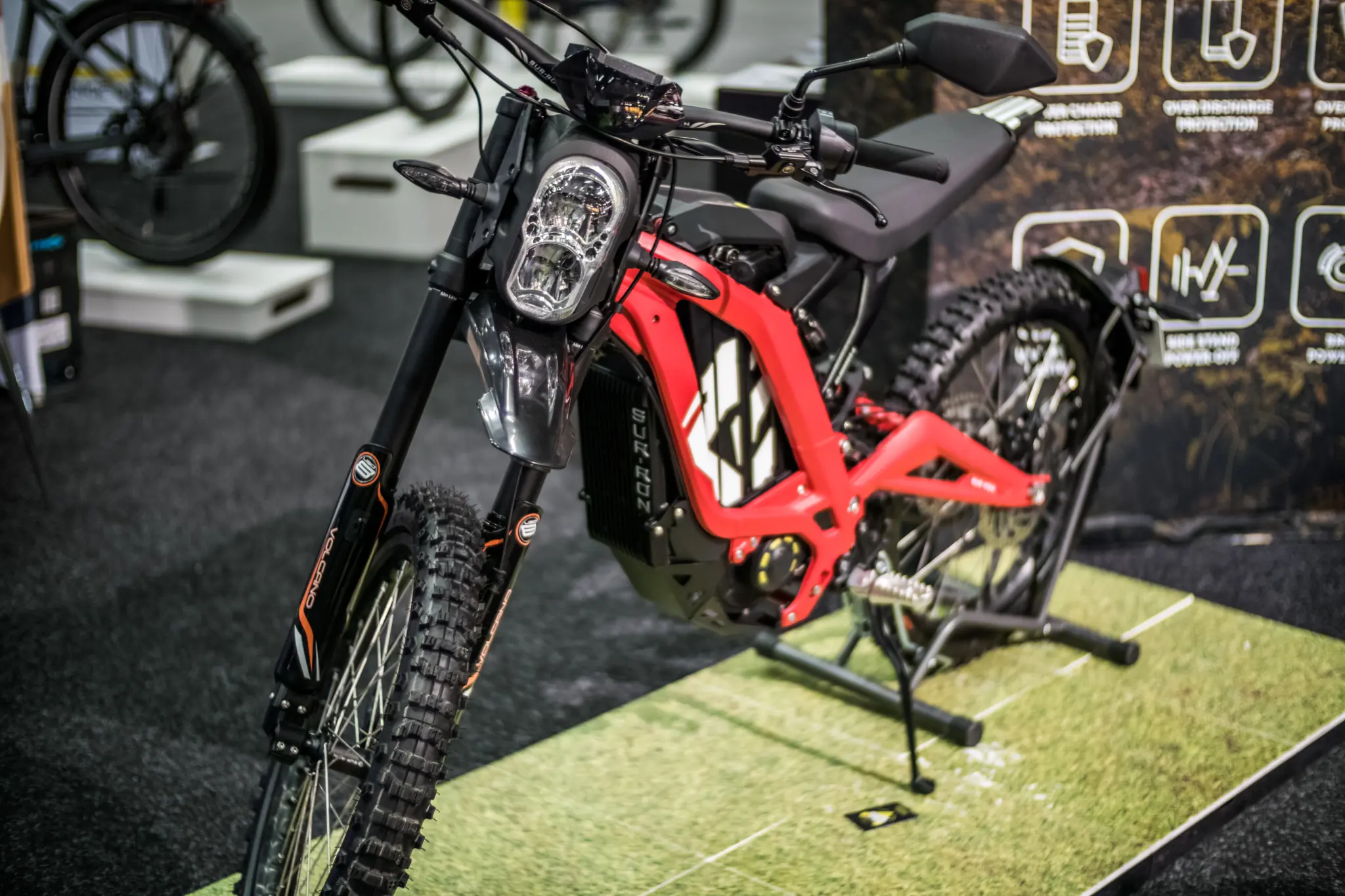
Streetsblog California describes the drift being targeted: increasingly powerful devices, electric motorcycles included, marketed under the e-bike label. “Parents should be able to shop for an e-bike without having to investigate whether the product lives up to its description,” said Kendra Ramsey, Executive Director of CalBike, in the group’s press release. “When high-powered devices are sold as e-bikes, families can end up buying something very different from what they intended.”
In the State Assembly, not a single member voted against: Streetsblog California reports that the bill passed there by 77 votes to 0, ahead of a final Senate vote in August. Streetsblog California states that the law will apply from 1 January 2027.
A debate that is running in Europe too
In Europe, the issue is approached from a different angle: the industry there is calling for a ban on de-restriction kits, as we reported on 30 September. The California law, as described by Streetsblog California, keeps its definition and bets on information: customers should know what they are buying, and crash reports should state what kind of device was involved.
 Read alsoNon-compliant e-bikes: European industry calls for a ban on tampering kits