IN BRIEF
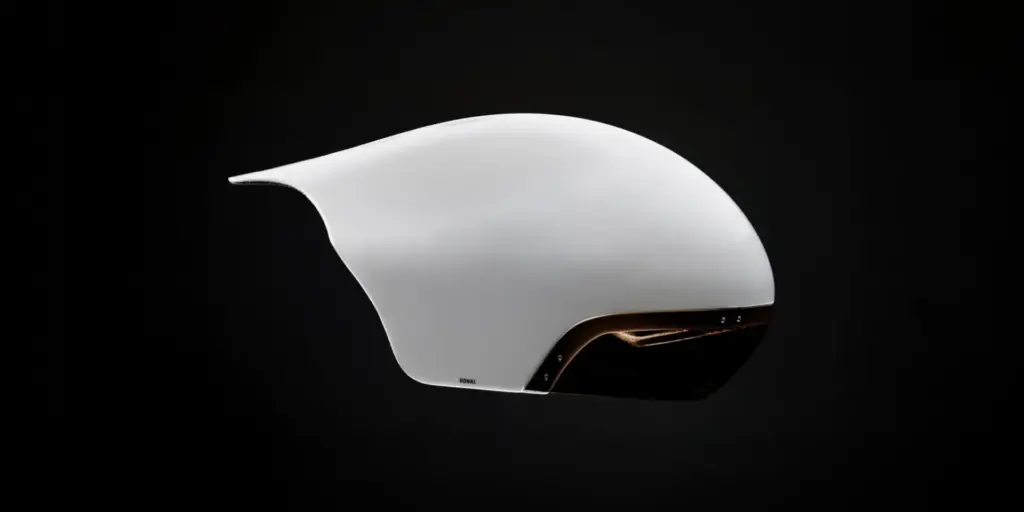
POC is launching the Sonal, a time-trial helmet whose size is chosen by shoulder width rather than head circumference. Two shells are offered, with the cut-off set at 37 cm across the shoulders, and the same internal fit of 51 to 59 cm. POC claims an average saving of 15 to 20 watts at 60 km/h compared with its own TT helmets, while stating that the result depends on the rider. Developed with EF Pro Cycling, the helmet weighs 440 or 490 g depending on width, visor included, according to the brand. It is priced at €600, in limited quantities on poc.com from October.
| Type | Time-trial helmet |
| Sizes | Two shell widths (narrow and regular), cut-off at 37 cm across the shoulders |
| Head circumference | 51 to 59 cm for both widths |
| Claimed weight | 440 g (narrow) and 490 g (regular), visor included |
| Visors | Two Clarity visors (clear and tinted), magnetic attachment |
| Fit system | Boa |
| Certifications | EN 1078 and CPSC |
| Colours | Hydrogen White or Uranium Black |
| Price | 600 € |
| Availability | October on poc.com (limited quantities), shops in the spring |
The POC Sonal is sized at the shoulders. The brand’s new time-trial helmet, which it presents as its fastest to date, comes in two shell widths: below 37 cm across the shoulders, measured on the outside in the TT position, it is the narrow version; above that, the regular version. Inside, both shells share the same fit, for head circumferences of 51 to 59 cm.
The POC Sonal considers the whole rider
The idea extends that of the Tempor, the TT helmet POC launched in 2012 for Gustav Larsson and the London Olympic Games. It already started from the principle that a rider cuts through the air with their whole body, shoulders and back included, not just with their head. The Sonal takes that logic all the way to size selection: for POC, if airflow over the whole body creates the profile, sizing a helmet by head circumference alone “misses the point”.
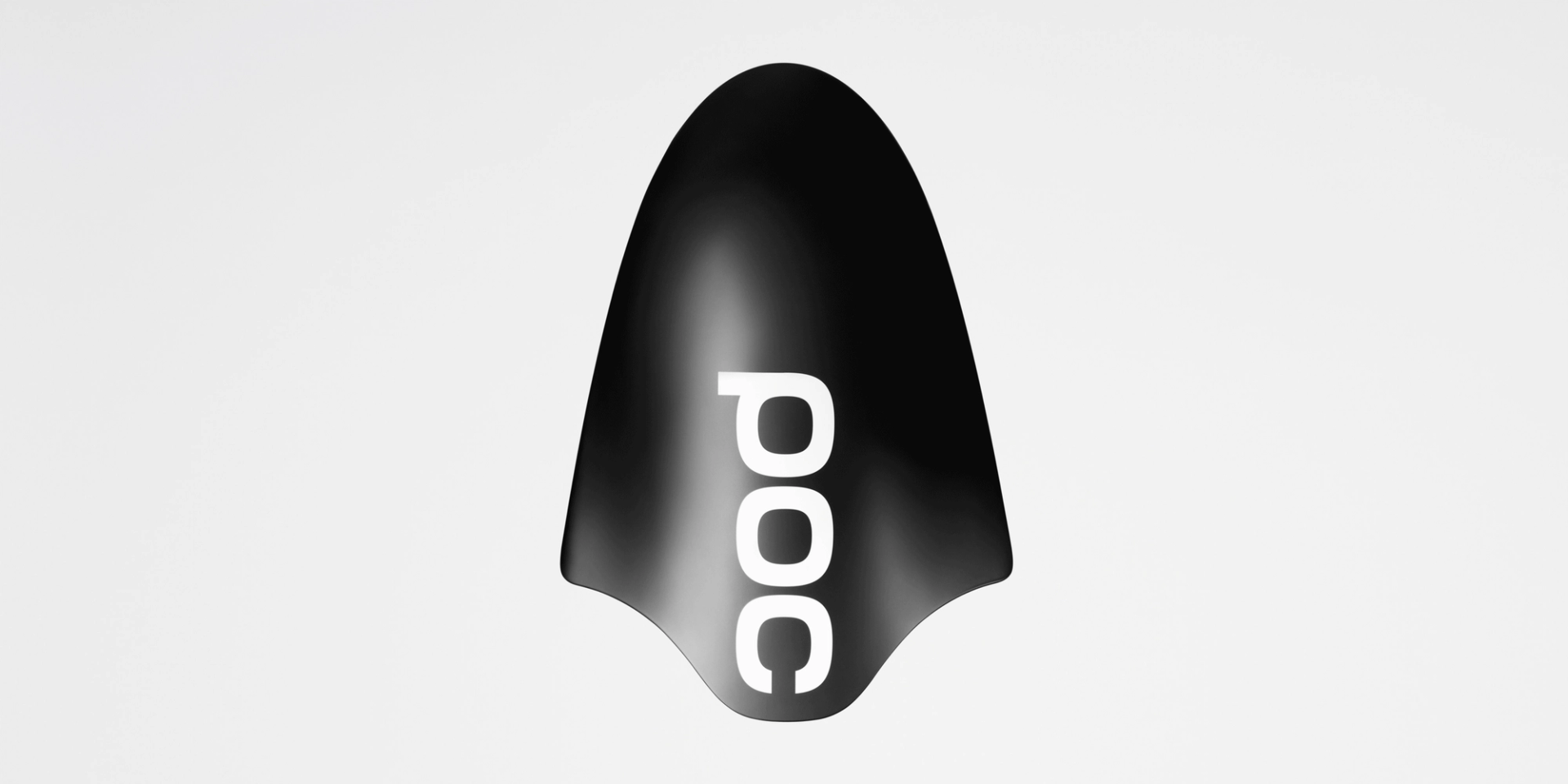
15 to 20 watts claimed at 60 km/h
According to POC, the helmet’s elongated front deflects the high-pressure zone that forms ahead of it and guides the air over the rider. Against its own TT helmets, the brand claims an average saving of 15 to 20 watts at 60 km/h. It warns itself that everything depends on the rider, and Bikerumor points out that these results vary with body shape and position.
According to the brand, development alternated between CFD modelling and the wind tunnel, with the Tempor, Cerebel and Procen as the benchmarks to beat. POC also names wind-tunnel specialist Aerotak among its working partners.
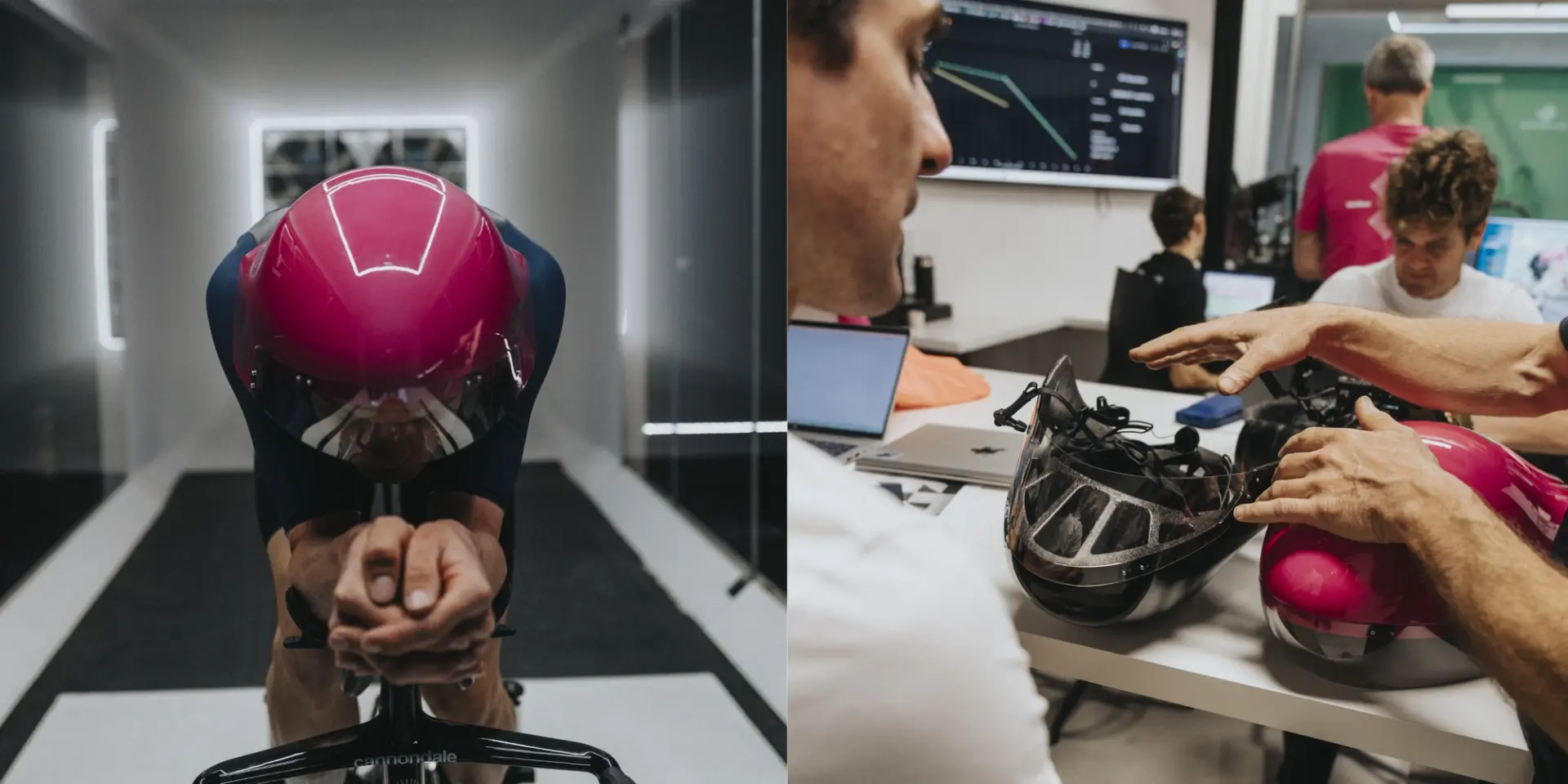
A question shared with EF Pro Cycling
POC says it “kept asking whether something could be even faster”, adding: “So, as it turned out, did EF Pro Cycling.” According to the official Sonal page, when EF’s performance team asked whether it was possible to beat the Tempor in time for the next Tour de France, “there was no run-up needed”. Andreas Klier, EF Pro Cycling’s Sports and Technical Director, set the brief: aerodynamic gain now had to benefit a far wider group of riders than a handful of specialists, according to the official Sonal page.
“We have been working incredibly closely with EF for well over a decade and have built a great relationship,” says Magnus Gustavsson, POC’s Director of Hard Goods, on the brand’s website.
Two magnetic visors and a Boa fit system
POC says it set the angle of the helmet’s brow to the rider’s line of sight in position, so they can see the road without lifting their head. The Sonal comes with two Clarity visors, one clear and one tinted, held by magnets and swappable in a few seconds, according to the press release. Adjustment is handled by a new Boa system.
Despite its large surface area, the helmet weighs 440 g in narrow and 490 g in regular, visor included, according to the brand. It is certified to the EN 1078 and CPSC standards.
€600 and the first units in October
POC is pricing the Sonal at €600, in white (Hydrogen White) or black (Uranium Black). Both widths will be offered in limited quantities on POC’s website in October, ahead of full availability at retailers in the spring of next season, the press release states. A helmet chosen with a tape measure in hand, but at the shoulders rather than around the skull.