IN BRIEF
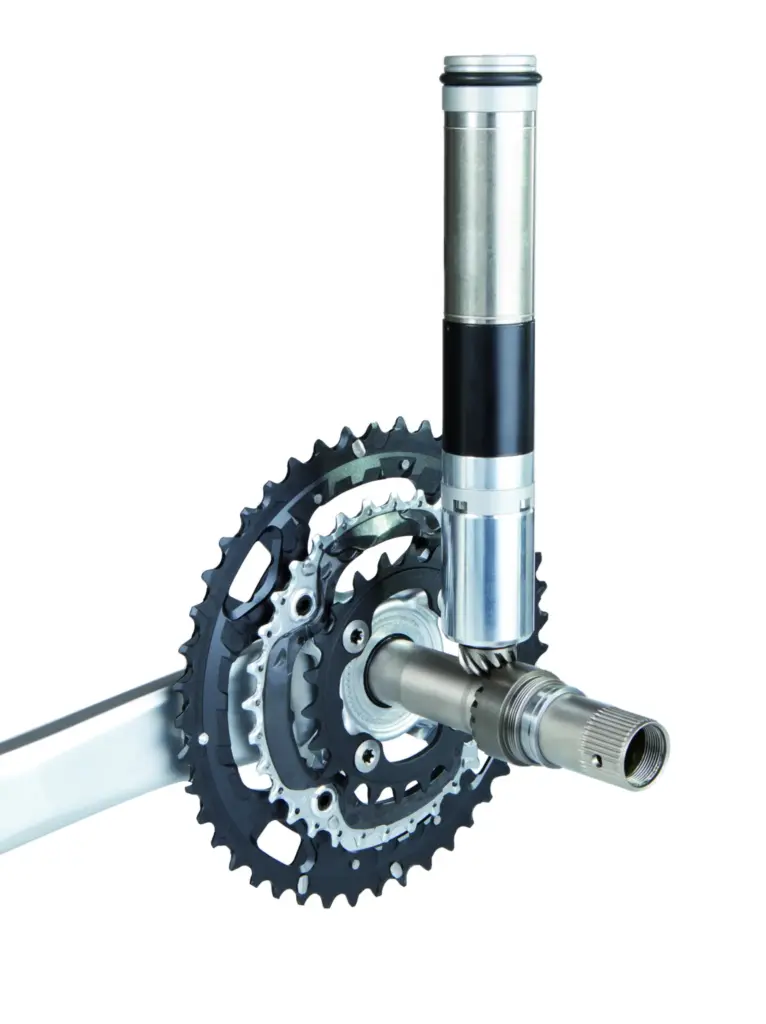
The management of hGears Schramberg GmbH filed on 7 September, with the Rottweil district court, an application to open self-administered insolvency proceedings. The group machines the precision gears found in electric bike drive units, as well as in electric and hybrid vehicles. The statement singles out “in particular” the lastingly weak development of the e-Bike segment, “particularly important” for this site, which has led to “considerable underutilisation” of capacity, on a cost base too high for the current level of business. According to the statement, Schramberg accounted for “around 26% of group revenue” in the first half of 2026. The group specifies that “the insolvency proceedings are limited to hGears Schramberg GmbH”, that its production sites in Padua, Italy, and Suzhou, China, are “currently” not affected, and that operations at the German site are expected to continue.
Bike brand failures are a regular feature of the industry’s news. Their suppliers, far less so. On 7 September it was hGears Schramberg, the German plant of a group that manufactures the precision gears fitted to e-bike drive units, that announced its filing.
hGears Schramberg files with the Rottweil court
The regulatory statement is dated “Schramberg, 7 September 2026”. hGears Schramberg GmbH, “a subsidiary of hGears AG”, announces its application to open self-administered insolvency proceedings — a form of German procedure in which the existing management retains control of operations, under supervision.
The statement places hGears AG itself, like the Padua and Suzhou sites, among the entities “currently” not affected. It is “planned that the operations of hGears Schramberg GmbH will continue” after the filing, the stated aim being to carry out “the necessary restructuring of the Schramberg site” in an orderly framework.
One point for readers who follow the share: the statement mentions “a domination agreement” between the two companies, from which “financial effects for hGears AG may in principle result”, writes the group, which “is currently examining the effects on its assets, financial position and earnings”.
Among the causes cited: a lastingly weak e-Bike segment
This is the part that directly concerns the bicycle industry. The statement singles out “in particular” one factor: it is “the lastingly weak development of the e-Bike segment, particularly important for the Schramberg site” that “has led to considerable underutilisation” of the production facility. It also states that, “despite already extensive structural, efficiency and cost-reduction measures”, the site could not be made “economically viable by its own means” under “changed market conditions”.
The inability to pay came about, hGears writes, “as a result of lastingly too low production volumes and a cost base that is too high for the current level of business”. The ad-hoc statement published the same day at 13:50 sets out the same cause, without the word “lastingly”.
The loss is not marginal for the group: the German site accounted for “around 26% of group revenue” in the first half of 2026. And hGears is not an anonymous subcontractor: in “the field of e-Bikes”, the group writes, “hGears AG is a leading European company for the supply of gear parts and high-precision components”.
A signal from a rarely watched tier
In the European bicycle industry, the past year’s insolvencies mostly involved brands, that is the downstream end of the chain. The upstream end has not been spared either: according to the rulings of the Amtsgericht of Aschaffenburg, insolvency proceedings against German e-bike battery maker BMZ Germany were opened on 19 December 2025. Here the difficulty moves up a notch: to drive unit components, where volumes are decided months before a bike reaches a shop.
The timing is striking. That very morning, the German two-wheeler industry association published half-year figures showing growth — bicycle production up 6% and sales up by nearly 10% year on year — in which its managing director, Burkhard Stork, declared: “The first six months of the year show it: the trough is behind us.” The two observations can coexist: a recovery in final sales takes time to translate into orders at component manufacturers, which had sized their facilities for far higher volumes.