IN BRIEF
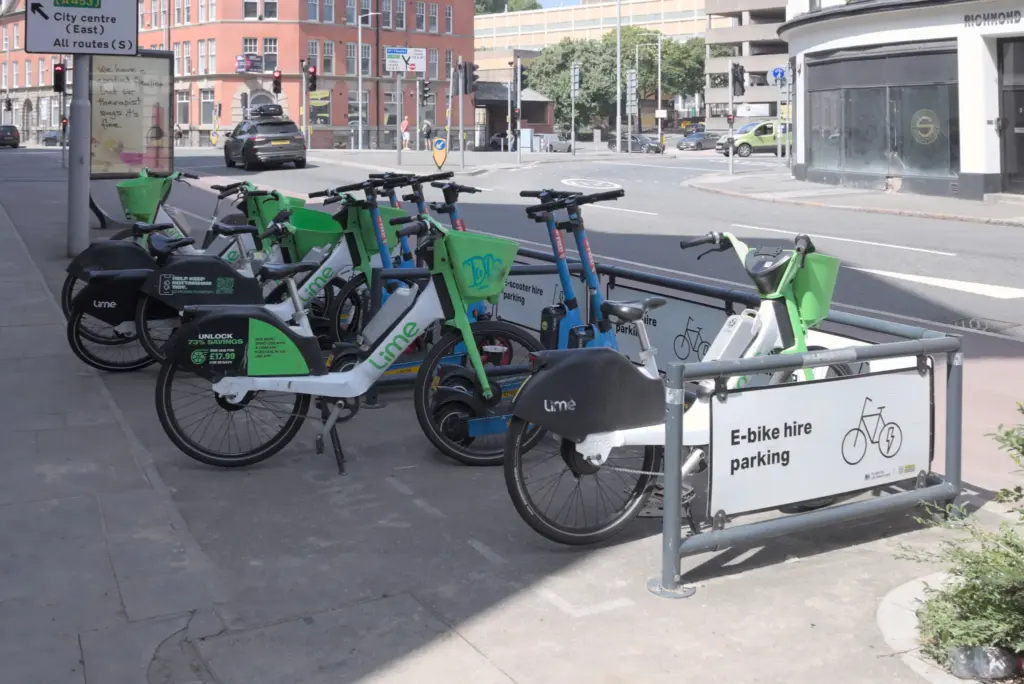
Five months after arriving in the West Midlands, Lime says it has passed one million trips on its shared e-bikes and e-scooters. The operator started on 1st April in Birmingham, Coventry and Solihull, before expanding to Sandwell and Wolverhampton in June. According to a Lime study, 83% of its local users had never ridden one of the brand’s bikes in another city, and 45% took another trip within a week of their first. The contract, won ahead of Beryl, removed roughly £1.4 million in annual public subsidy, according to Zag Daily.
One million trips in five months: that is the figure Lime is putting forward for its West Midlands rollout. What makes the announcement interesting is not the volume alone, but what it says about a business model: here, the shared scheme runs without subsidy.
Lime claims one million trips in five months
Cycling Industry News reports the count without ambiguity: « After launching its service in several West Midlands cities on 1 April, Lime has recorded more than one million eBike and eScooter journeys. » Zag Daily sets out the geography of the rollout: « The shared micromobility operator launched in Birmingham, Coventry and Solihull on 1 April before expanding into Sandwell and Wolverhampton in June. » The same article adds that, at this stage, the operator has no plans to expand elsewhere in the region. The West Midlands Combined Authority had nonetheless announced in March that the service would be « coming soon » to Wolverhampton, Sandwell, Dudley and Walsall; its June statement named only Sandwell and Wolverhampton. Zag Daily adds that Lime, when asked, did not provide the split of the million trips between bikes and scooters, nor the size of its fleet.
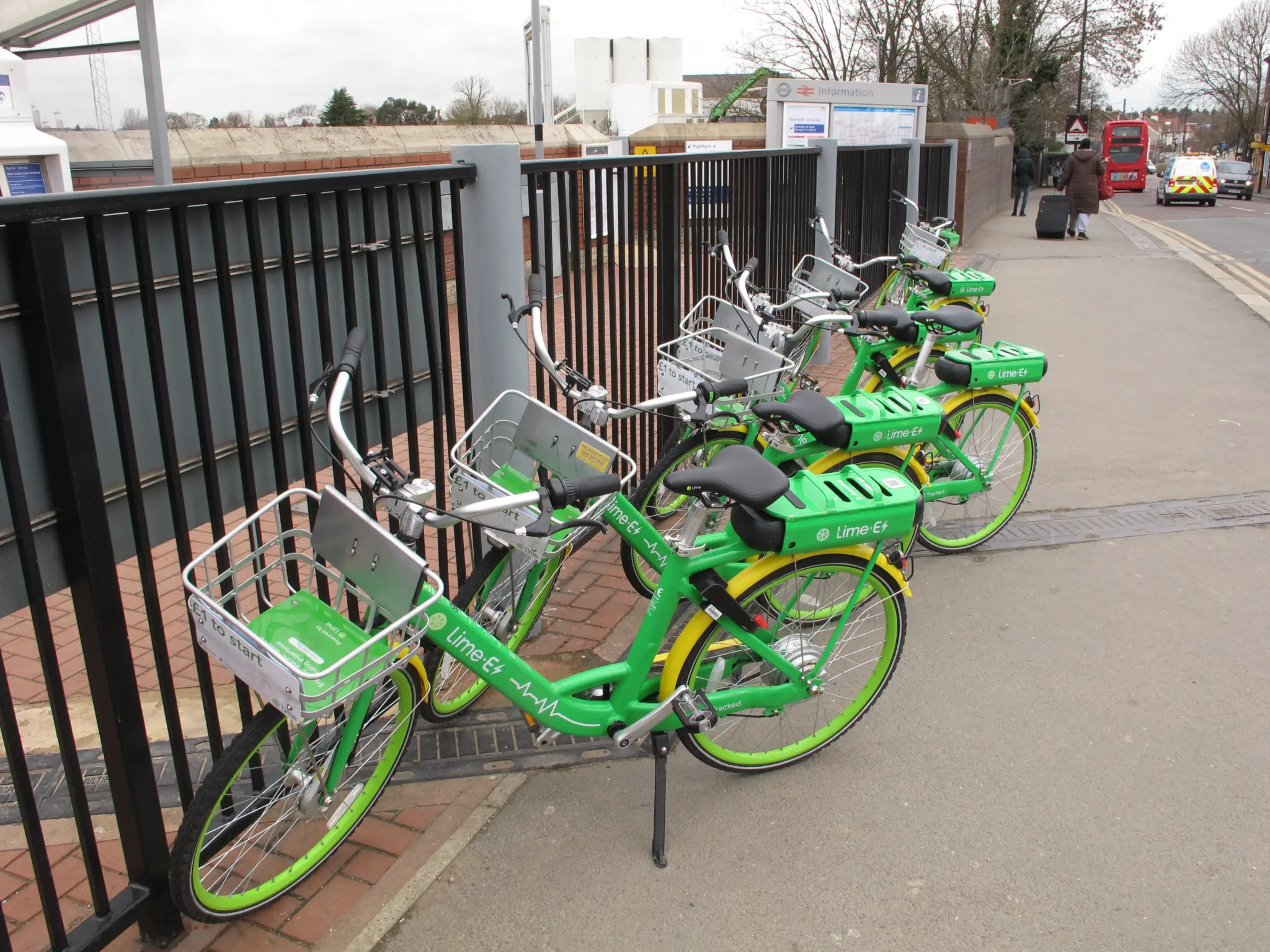
A new customer base, according to Lime’s study
The usage figures come from a study the operator produced itself, as Cycling Industry News points out: « According to its study, Lime stated that the vast majority (83%) of people using Lime in the West Midlands had never previously ridden a Lime bike in another city ». In other words, most of the local customer base would be discovering the service, rather than returning to it after using it elsewhere. The same article notes that « nearly half (45%) going on to take a second trip within a week of their first trip » — close to half of users come back within the week.
One isolated case is worth quoting, if only for what it says about a habit that has become daily: « One rider has even completed more than 530 trips to date, approximately 20 trips every week since the service launched five months ago. » Twenty trips a week, for five months.
A service with no public subsidy
That is the argument the region’s mayor is putting forward. Richard Parker, quoted by Cycling Industry News: « Getting more people to cycle is also helping us cut traffic congestion, clean up our air, and improve people’s health and fitness. And all at zero cost to the taxpayer. » The switch to Lime did indeed change the financial set-up: according to Zag Daily, the operator was selected by the West Midlands Combined Authority to replace Beryl following a tender, and « the new contract removed the need for the roughly £1.4 million in annual public subsidy that previously supported the scheme ».
The operator itself plays down the headline. Tom Newham, head of public affairs for Lime in the UK and Ireland, quoted by Cycling Industry News: « One million rides is a brilliant early milestone, but the more important story is what those journeys say about the role of shared transport in people’s lives. » Even so, the real test of an unsubsidised service does not come in the fifth month, but in the first off-season.