IN BRIEF
Taiwanese group Giant Group published its 2025 ESG report on 21 August. In it, the company announces a 40.03% absolute drop in its direct and indirect emissions at its Taiwan and China sites compared with its base year, which it presents as its largest reduction to date. It also states that it has raised the share of renewable electricity to 19.6% of its consumption, up from 7.4% in 2022: its 2030 target was 18.5%, so it has been beaten five years ahead of schedule. The report also puts the hazardous waste recycling rate at 98%, against 84% in 2022.
| Scope 1 and 2 emissions (Taiwan and China) | − 40.03% in absolute terms against the base year |
| Emissions avoided over the year | 4,571.51 tCO₂e |
| Renewable electricity | 19.6% of consumption (7.4% in 2022) |
| 2030 renewable electricity target | 18.5%, met ahead of schedule |
| Hazardous waste recycling | 98% (84% in 2022) |
| Carbon inventory coverage | 100% of Group revenue |
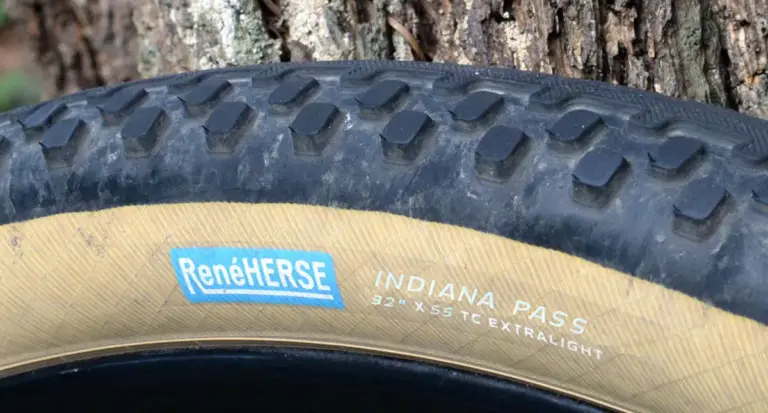
| Circular materials | 47 tyre lines, more than 1.37 million saddles |
| Certified pre-owned bikes (Giant Taiwan) | 1,666 bikes, NT$20.34 million (Taiwan dollars) |
| Women in science and technical roles | 38.68%, up 4.4 points year on year |
Manufacturers’ sustainability reports often look alike: plenty of commitments, few verifiable figures. The one Giant Group put online on 21 August partly escapes that criticism, because it gives precise values and dated points of comparison. It remains, however, a set of figures the company reports about itself.
Giant ESG report: emissions down 40.03%
The headline figure covers the group’s direct emissions and those tied to the energy it buys — scopes 1 and 2 of the carbon protocol. The press release states: « Scope 1 and 2 emissions at the Group’s Taiwan and China sites fell by an absolute 40.03% from the base year, the highest reduction recorded to date. » The word « absolute » matters: this is a drop in volume, not an intensity measured against output.
The group also quantifies the emissions avoided over the financial year. Process optimisation, equipment replacement, lighting, solar panels and « behavioral management » have, it says, « reduced annual emissions by 4,571.51 tCO₂e ». It also indicates that the coverage of its greenhouse gas inventory has been extended to operations representing « 100% of Group revenue » — in other words, no part of its revenue now falls outside the counting perimeter.
What comes next is announced under SBTi methodology: Giant says it intends to build its next decarbonisation pathway « in line with Science Based Targets initiative (SBTi) methodology ». That is the reference framework which aligns corporate targets with climate pathways.

A 2030 target reached five years early
On electricity, the progress is clear: « Renewable electricity reached 19.6% of total electricity consumption, up from 7.4% in 2022 and exceeding the 2030 target of 18.5% ahead of schedule. » A 2030 target cleared in 2025 obviously raises the question of how ambitious it was to begin with — a goal beaten five years early says something about where the bar had been set.
The report also puts the hazardous waste recycling rate as having risen « from 84% in 2022 to 98% », and notes the group’s adoption of the TNFD, the disclosure framework for nature-related risks: « Giant Group also became a TNFD Adopter and established its first Group-wide biodiversity risk baseline. » German trade magazine Radmarkt, which covered the report on 24 August, quotes the same values.
Recycled saddles and certified pre-owned bikes
Part of the report deals with the products themselves. Giant states that it has extended its circular materials to « 47 tire products and more than 1.37 million saddles ». The group has also sold, through its Taiwanese subsidiary, « 1,666 certified pre-owned bicycles, generating NT$20.34 million in revenue ».
One thousand six hundred and sixty-six bikes, for a manufacturer that builds millions of them, is a pilot scheme more than a business line. But it is also one of the few figures in the report that describes a real market rather than an internal indicator: a bike certified second-hand by its own maker is a service life being extended.
On the social side, finally, the group indicates that « Women represented 38.68% of STEM roles, up 4.4 percentage points year on year, while the internal-fill rate for open positions reached 76.8% ».